Maria Imran
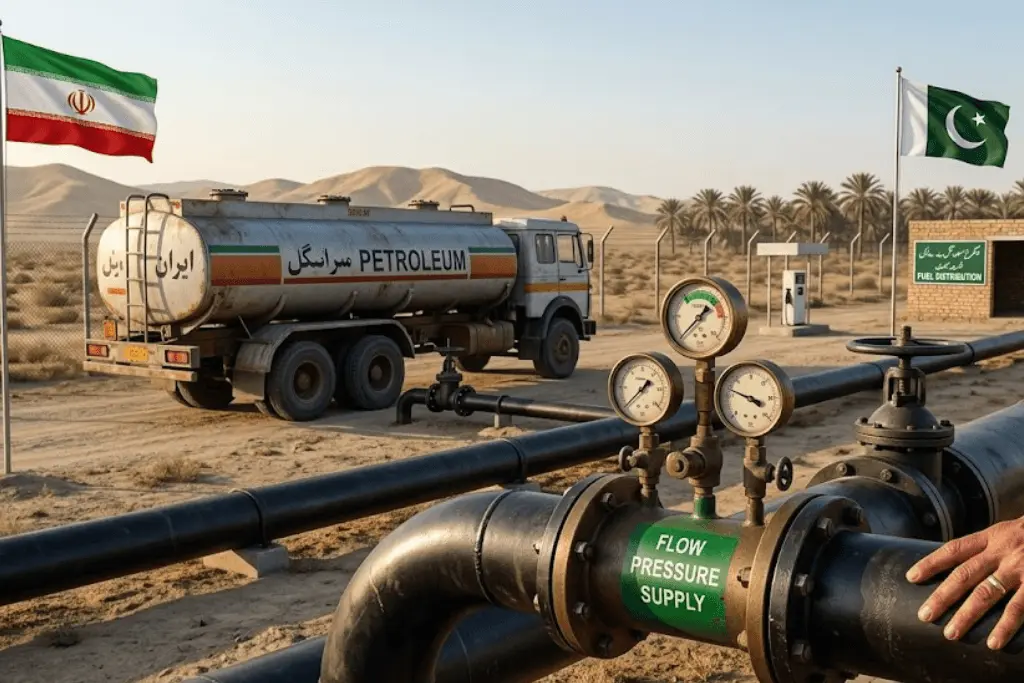
Domestic oil refineries burden will bear the brunt of about PKR 15 billion a month on oil refineries to avoid an increase of PKR 15 per litre in petrol prices. This decision was announced by Federal Minister for Petroleum Ali Pervaiz Malik and Information Minister Attaullah Tarar at a press conference in Islamabad on 2 November 2026.
Oil Refineries Burden Shields Petrol Consumers
The deal comes after a spike in global oil and import prices due to the ongoing US-Iran and wider Middle East conflict. Petrol import premiums shot up from around $5 to more than $20 a barrel, which would have raised prices at the pump without intervention.
Shared Load And Record Profits
The government said domestic refineries made record profits in the last three months, helped by higher throughput and higher margins. So Prime Minister Shehbaz Sharif held consultations to share the financial burden equally with the consumers and industry.
The result is a cooperative approach in which the private sector takes part in a difficult period. It also shows a government willing to negotiate practical solutions to protect households before passing on external shocks.
Pricing Mechanism And Fuel Policy In General
Under a new framework approved by the federal cabinet, premium, incidental and customs duty components were temporarily capped at pre-war levels of 7 March 2026 for 30 days. The petrol price differential will be foregone by the refineries. Petrol can be sold at PKR 15 per litre less than the international market parity through the petroleum levy account.
This arrangement is linked to earlier steps including the revised petrol pricing formula and the PKR 100 relief scheme for motorcycles, rickshaws and small cars. Energy planning takes regional security into account, as reflected in Pakistan’s firm stance on security issues concerning Afghanistan, and a sound fuel policy supports budgets in transport, industry and households. From close monitoring after the 30-day period the government will be able to see how best to sustain relief if world prices remain high.
Explore More On Pakistan And Afghanistan
Why Did Pakistan Strike Afghanistan?
Check out the details behind the overnight strikes on militant positions in Kunar and Helmand.
What Did Tarar Say About Afghanistan?
Find out how Pakistan responded to any attempt to disturb its peace and security.
What Does Munir Want Reviewed?
Uncover why the Field Marshal wants Pakistan’s experience reflected in the US war commission’s work.
Are Border Tensions Rising Again?
Dive into the cross-border incidents and infiltration attempts putting fresh pressure on ties.
Can Afghan Students Continue Studying Here?
Look into Pakistan’s clarification on valid visas and registrations for recognised degree programmes.