Farhan Qureshi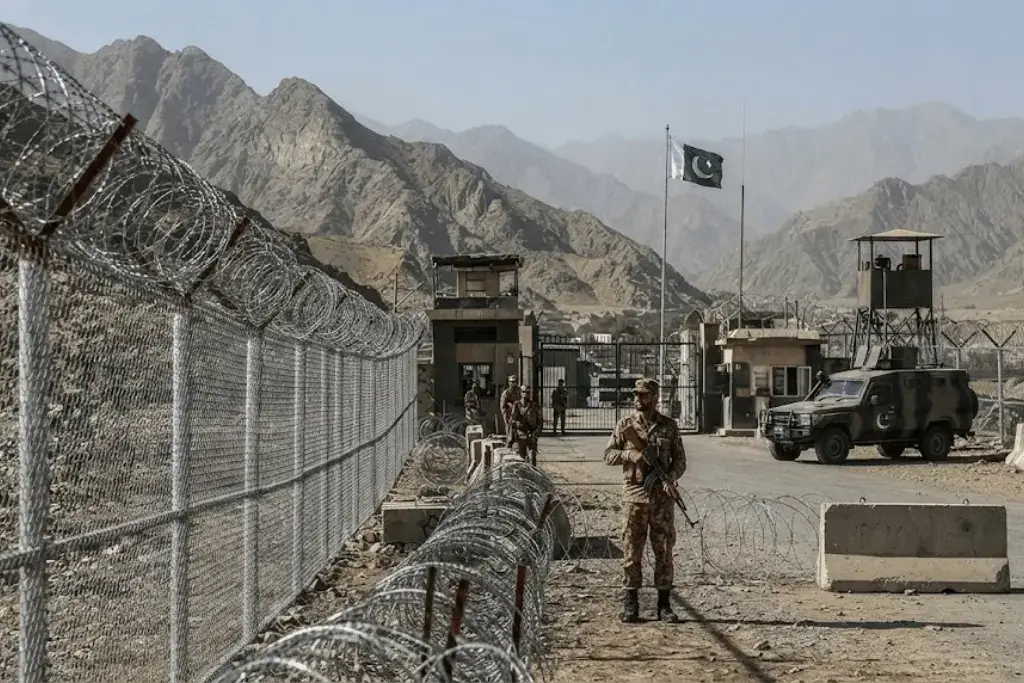
Pakistan-Afghanistan relations are under fresh security pressure as Pakistan Afghanistan border tensions rise due to a spate of cross-border incidents, attempts at militant infiltration and military exchanges along the frontier. The recent developments have transformed Pakistan’s border security concerns into a broader regional issue of militancy, territorial disputes and strained relations with the Afghan Taliban authorities.
Pakistan has maintained that militant groups based in Afghan territory pose a direct security threat to communities and security personnel in Khyber Pakhtunkhwa and other border areas. Islamabad has presented recent operations in Pakistan as targeted counterterrorism responses to attacks inside Pakistan and attempts by armed groups to cross the frontier.
The situation has also raised broader concerns over trade, connectivity and humanitarian conditions along the border. Pakistan has said better relations and the restoration of broader economic ties remain possible if security concerns are addressed, keeping diplomacy and regional connectivity alongside national security in the broader policy framework.
Militancy Continues To Be At The Heart Of Pakistan’s Security Concerns
The Tehrik-e-Taliban Pakistan, or TTP, remains operational and is a significant concern for Pakistan regarding Afghanistan. Islamabad has often charged militant groups with utilising sanctuaries on the other side of the border to plot and back attacks inside Pakistan. At the same time, the Afghan Taliban administration has denied accusations that it permits its territory to be used against Pakistan.
Recent developments have only reinforced those concerns. Pakistani security sources said an attempt had been made to infiltrate Kurram from Afghanistan through areas of Nangarhar and Paktia. Pakistani authorities identified the militants as members of the banned TTP. Security forces said the infiltration bid was foiled before further clashes erupted along the border.
There has also been an uptick in militant violence in Pakistan in Khyber Pakhtunkhwa recently. At least 16 people were killed and dozens more wounded in an attack on a police compound in the town of Kohat on September 18, Reuters reported. Pakistani officials have accused militant networks in Afghanistan of being behind the larger security threat. The TTP denied any involvement in the attack.
Pakistan Beefs Up Border Security, Counterterrorism Efforts
Pakistan has stepped up surveillance and border protection and conducted counterterrorism operations in response to the security threat. Security forces claim to have thwarted infiltration attempts while remaining on high alert on major crossings and sensitive border districts.
Pakistan said on September 21 it launched airstrikes against terrorist camps and hideouts in the border region with Afghanistan, according to the Information Ministry. Islamabad said it had killed over 28 militants in an intelligence-led operation against organisations responsible for recent attacks in Khyber Pakhtunkhwa.
The Pakistani government has also stressed that the operation was undertaken with extreme care to avoid collateral damage. But international reports of the strikes differed from Afghan Taliban authorities and the United Nations, which said three civilians were killed. The conflicting accounts highlight the sensitivity of military action across an international border.
Border Clashes Strain Ties
The relationship has seen cross-border military exchanges become a regular feature. Pakistani security sources said Afghan Taliban forces opened fire on Pakistani border posts in the latest confrontation in the Kurram region after an infiltration attempt by militants was foiled. Then Pakistan struck back at positions of the Afghan Taliban, the sources said.
The developments illustrate the rapid escalation of militant activity into confrontation with security forces. An armed group’s attempt to infiltrate or attack can have wider military and diplomatic ramifications, particularly when border forces are involved.
Pakistan’s security establishment says the border areas are being closely monitored and the forces are ready to counter the threats. The focus on surveillance and calibrated responses reflects Islamabad’s stated desire to protect territorial security but not to allow militant activity to foment increased instability within Pakistan.
Emerging Security Concerns From Drone Events
The newest strains have also included unmanned aerial systems, complicating the border security landscape even further. Eight drones were launched from Afghanistan into Pakistani airspace near the Torkham border and Kohat on September 23, which were intercepted by Pakistan’s air defence systems, according to Pakistani security sources.
Four drones were reportedly shot down near the Torkham area, and four more were intercepted near Kohat. The reported incidents underline the widening spectrum of security challenges facing Pakistan, where the threats are no longer limited to traditional cross-border firing or ground incursions.
Drones also increase the importance of surveillance, air defence and quick reaction capabilities. For Pakistan, security planning that can respond to both conventional and emerging forms of cross-border threats is required to protect population centres as well as strategic border infrastructure.
Durand Line: A Sensitive Bilateral Issue
When you hear about the Pakistan-Afghanistan border, you might hear about the Durand Line. That is a border that has been disputed by both countries for a long time. Pakistan says the international border is fixed, demarcated and heavily secured through fencing and controlled crossing points.
Pakistan’s Foreign Office said in September the border was already properly demarcated and fenced with designated gates functioning for legal passage. Therefore, Islamabad does not consider fresh identification or demarcation as an unresolved technical requirement.
Joint border disputes are more difficult to resolve when combined with militant activity and restrictions on movement. Pakistan’s insistence on regulated crossings reflects the security importance of controlling unauthorised movement, while continued disagreement over the frontier adds another layer of complexity to bilateral relations.
Trade And Connectivity Still Linked To Security
The border situation has tremendous economic implications as Pakistan and Afghanistan have crucial trade and transit links between them. Islamabad is prepared to restore wider trade, transit and connectivity arrangements provided that security concerns are addressed, the Foreign Office of Pakistan has stated.
Pakistan has made concessions on transit trade and tariffs in the past in exchange for stronger action against terrorism. Islamabad has also suggested that Afghanistan could act as a regional connectivity hub if a more secure environment allows trade routes to operate efficiently.
A stable border would unlock economic opportunities for both countries and could cement ties between Pakistan, Afghanistan and Central Asia. Better security could thus allow not only bilateral commerce but also wider regional connectivity. Border stability is thus important to Pakistan’s long-term economic interests.
Pakistan Keeps Diplomatic Channels Open Amid Security Pressure
Military and security measures have been supplemented by sustained diplomatic engagement. Pakistan has been engaging in direct contacts and mediations through countries such as Qatar, Türkiye and China in an attempt to defuse tensions with Afghanistan.
Islamabad’s stated policy remains focused on the need for a peaceful Afghanistan that does not become a source of insecurity for its neighbours. Pakistan has tied trade, transit and connectivity progress to genuine measures against militant activity, establishing a framework that keeps security cooperation tightly linked to economic relations. Pakistan’s readiness to pursue diplomatic channels along with security measures provides additional means of managing tensions and decreasing the likelihood of a prolonged confrontation.
Wider Security And Humanitarian Risks To Regional Stability
The security situation between Pakistan and Afghanistan has consequences beyond the immediate border. Continued fighting can impact trade routes, the flow of refugees and humanitarian conditions, adding pressure to communities already affected by years of conflict and displacement.
Recent military exchanges have also raised fears of civilian casualties. Pakistan said its strikes on September 21 killed militants, but Afghan Taliban officials and the United Nations said three civilians were killed, Reuters reported. The existence of such conflicting reports illustrates the humanitarian risks inherent in military operations in populated border areas.
For Pakistan, the principal national security priority remains the prevention of militant attacks while ensuring stability along the frontier. The wider challenge for the region is effective border management, intelligence cooperation, diplomatic engagement and protection of civilians.
Pakistan Wants Security With Regional Connectivity In Mind
The latest border developments show Pakistan is caught in a tightrope walk between dealing with militant threats and keeping a path open for stable relations with Afghanistan. While reiterating that trade, transit and regional connectivity can grow if security conditions improve, Islamabad has stepped up border security and counterterrorism operations.
The immediate security environment is tense, with infiltration attempts, firing on the border, air strikes and reported drone incidents adding to the pressure on an already fragile relationship. Pakistan’s emphasis on territorial security is to protect communities and prevent militant networks from exploiting the frontier.
Pakistan’s diplomatic stance leaves the door open for better regional cooperation if militancy across the border is tackled. A more secure Pakistan-Afghanistan border could support trade, transit and wider Central Asian connectivity, making stability along the frontier important not only for security but also for Pakistan’s longer-term regional and economic interests.