Maria Imran
The DG ISPR Khyber Pakhtunkhwa briefing, delivered by Lieutenant General Ahmed Sharif Chaudhry, linked the province’s terrorism challenges to weak provincial governance. He described an incompetent and indifferent provincial government as one of the factors that facilitated militancy in the region.
DG ISPR Khyber Pakhtunkhwa Briefing Outlines Security Picture
He said about 71% of the terrorist incidents in Pakistan during the last year were reported in Khyber Pakhtunkhwa, while the remaining 29% were in Baluchistan. The figures show where security attention is most needed and why coordinated action between civil and military institutions is important.
The briefing also highlighted that Pakistan has a clear strategy to combat terrorism. Officials described the approach as patient, intelligence-led and designed to protect civilians.
Governance, Politics And Counter-Terrorism
Lt Gen Chaudhry blamed the high rate of militant activity on governance failures and a politically conducive environment. According to him, a political-criminal-terror nexus prevented earlier counter-terrorism efforts.
He said the change of provincial government was a political issue subject to constitutional and legal procedures. He said residents were relieved that key enablers hampering operations were no longer in place, a view the government cites in defence of the Governor’s Rule debate over constitutional powers and provincial autonomy.
There are still political voices that disagree on this point, and open debate is still a normal part of democratic life. Open communication and parliamentary scrutiny can help to ensure that security needs and provincial rights are balanced together.
Intelligence-Driven Operations And Regional Influences
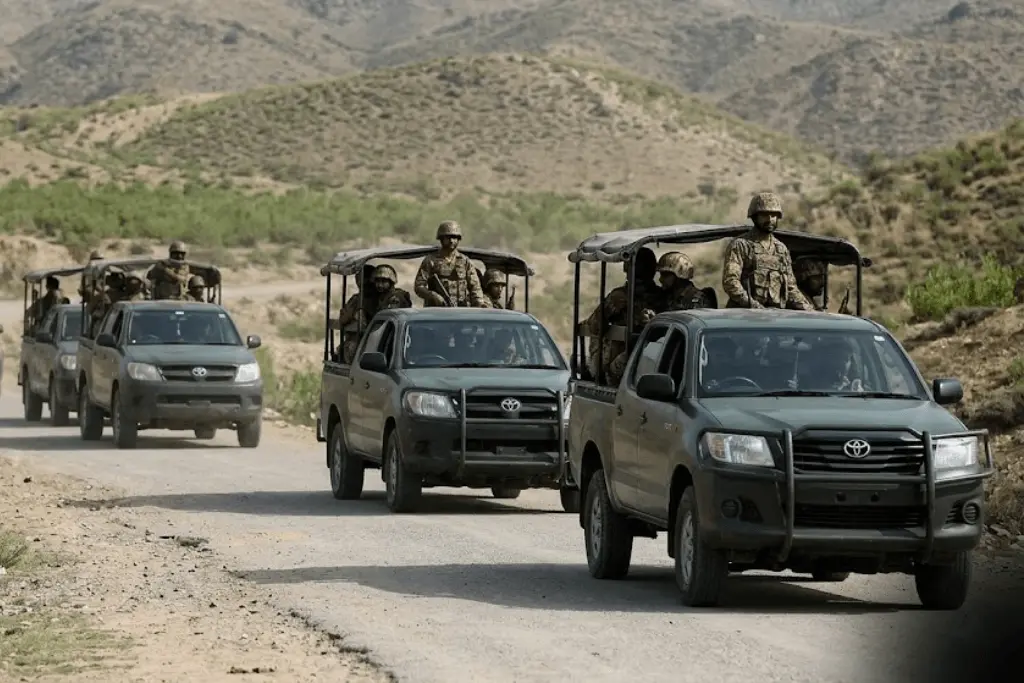
The security forces are continuing with around 200 intelligence-based operations daily across the country, instead of a major military operation in the province. The aim is to dismantle militant networks piece by piece, while causing as little disruption as possible to normal life.
The DG ISPR also highlighted cross-border challenges, identifying Afghanistan as a major hub for terrorist leadership, training camps and launch pads. He named groups like TTP, Al-Qaeda and ISIS and alleged external support from India.
Pakistan has pursued these concerns both firmly and diplomatically. Recent steps include overnight strikes on militant positions in Kunar and Helmand based on credible intelligence and the growing cross-border incidents that continue to strain ties.
Islamabad has also sought a hearing on the world stage, with Field Marshal Asim Munir calling for the Afghan war review to take Pakistan’s perspective into account. Pakistan will reply to any attempt to disturb its peace and security, said Information Minister Attaullah Tarar.
Overall, the briefing paints a picture of a country with a clear plan, measurable operations and a willingness to engage with partners. Better coordination between the provinces and verifiable action by neighbouring communities will promote long-term stability and help protect communities across Khyber Pakhtunkhwa.
Keep Reading: More on PM Shehbaz and Pakistan
How Is Pakistan Building Resilient Communities?
Look into the prime minister’s pledge on reducing disaster risks.
Is Pakistan Resolving Kashmir Peacefully?
Find the call made to the UN chief in Islamabad.
How Strong Are Pakistan-China Ties?
Check out the all-weather partnership pledge.
Why Is Shehbaz Visiting New York?
See Pakistan’s role at the 81st UNGA session.