Farhan Qureshi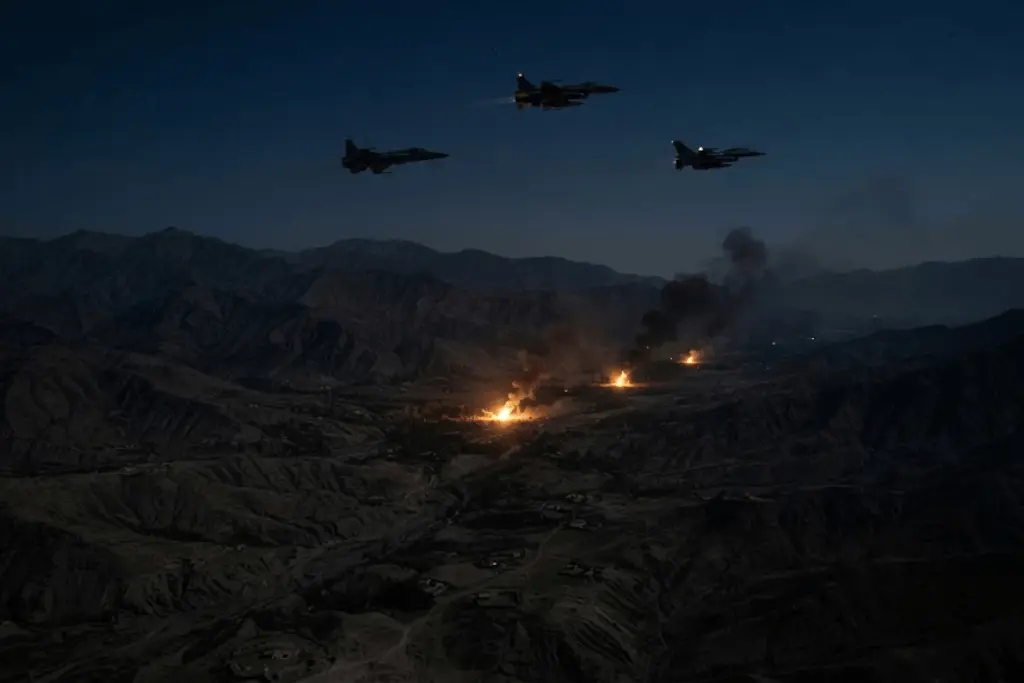
Pakistani officials said Pakistan carried out overnight air strikes on militant positions in Afghanistan’s Kunar and Helmand provinces between September 30 and October 1, 2026. The operation was based on credible intelligence and was aimed at militant hideouts, weapons, and ammunition linked to groups considered a security threat to Pakistan, Islamabad said.
Initial reports showed that 22 militants were killed during the operation, Pakistan’s Ministry of Information said. The ministry called the strikes “carefully planned and calibrated” and said they aimed to strike at terrorist hubs but to avoid civilian casualties.
Islamabad Ties Operation To Cross-Border Terror Threat
The Pakistani position is motivated by the threat of militants operating on or across the Afghan border. Islamabad has accused the Taliban government in Kabul of providing sanctuary to groups including the Tehreek-e-Taliban Pakistan, a charge Afghan authorities have repeatedly denied.
The latest strikes came after a fresh outbreak of violence following several weeks of relative calm. Tensions had been heightened following a deadly strike at a Pakistani police installation, Reuters said. Pakistan has argued that militant infrastructure on the Afghan side of the frontier demands a direct security response.
Pakistan Says Weapons And Ammunition Destroyed
Pakistan said the latest operation also destroyed weapons and ammunition stored at the targeted locations and reported militant casualties. The claim is important because the militant supply infrastructure can provide the resources needed to plan and launch attacks across the border.
The Ministry of Information of Pakistan said strikes were carried out with precision and maximum precautions were taken to avoid collateral damage. These statements are part of a larger justification by Islamabad for actions against militant facilities across the internationally recognised border of Pakistan.
Kabul Reports Civilian Deaths In Airstrikes
The Taliban administration offered a very different story of the operation. Afghan authorities said three civilian houses were hit in Kunar and Helmand, killing nine civilians, including women and children and wounding 11 others.
Zabihullah Mujahid, spokesman for the Taliban administration, condemned the strikes as an act of aggression. Afghan officials have dismissed Pakistan’s claims of militant safe havens and have repeatedly argued that strikes inside Afghanistan’s territory undermine regional stability.
Border Violence Has Added To The Security Pressure
The latest operation is part of a broader deterioration in relations between Pakistan and Afghanistan. Since the Taliban regained power in 2021, the two countries have clashed repeatedly, with disputes increasingly centring on militant activity, border security and the responsibilities of authorities on both sides.
Pakistan has stated that Afghan territory cannot be used as a platform for attacks against Pakistan. But Kabul has denied charges of harbouring the TTP and has said militancy in Pakistan is largely an internal security problem.
Un: Cross-Border Violence Taking Growing Civilian Toll
The humanitarian impact of the fighting has been repeatedly highlighted by the United Nations. Between October 2025 and June 2026, cross-border armed violence between Pakistan’s security forces and Afghanistan’s de facto security forces killed 499 civilians and injured 1,216 in Afghanistan, UNAMA said.
The UN’s more recent reporting said it recorded more than 1,100 civilian deaths and injuries in Afghanistan in 2026 from cross-border armed violence. UNAMA said the latest strikes killed at least 10 civilians, mostly children, and wounded nine others in Kunar and Helmand.
Pakistan Faces Diplomatic And Security Dilemmas
The recent air strikes have left Pakistan in a difficult regional security environment. Islamabad has to contend with militant threats, but it also has to manage diplomatic relations with Kabul and avoid developments that could lead to a protracted military confrontation along the frontier.
The security challenge is particularly acute because militant violence can have ramifications beyond individual attacks. Such incidents happen repeatedly; they may interfere with border trade, affect movement between communities and put additional pressure on security forces deployed along the frontier.
Pak Still Considers Border Security A Great Priority
Pakistan’s geography makes good border security especially important. The long, rugged and remote frontier with Afghanistan can make it difficult to monitor movement, and there are opportunities for militant groups to exploit security gaps.
Pakistan has invested in border fencing, surveillance and security deployments to try to cut down on unauthorised crossings and militant movement, and the measures are aimed at reinforcing control over the territory and protecting the communities along the border.
Pakistan-Afghanistan Relations Need Security And Diplomatic Track
The latest escalation underscores the need for security and diplomacy to be pursued together. Pakistan’s concerns about security and potential militant incursions are legitimate. Intelligence on militant positions, movement, and infrastructure can enable security authorities to target operations against specific threats rather than engage in more general military action.
Better coordination between Pakistan’s civilian security institutions and armed forces can improve the response. Sharing intelligence, rapid communication and surveillance of the border can help identify emerging threats before they turn into attacks on Pakistani communities.
A Critical Diplomatic Test For Pakistan’s Security Response
Another major development in Pakistan-Afghanistan relations is the air strikes in Kunar and Helmand. Islamabad said the operation targeted militant hideouts and killed 22 fighters, but Afghan authorities said there were civilian casualties and strongly condemned the strikes. The competing accounts show how serious and complex the latest escalation is.
The immediate concern for Pakistan is protection from cross-border militant threats. The country’s security institutions are constantly under pressure to prevent attacks, maintain control of a difficult frontier and protect communities from violence.