Maria Imran

Asim Munir Iran visit
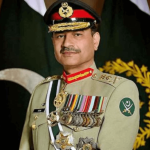
The Asim Munir Iran visit placed Pakistan at the centre of renewed diplomacy. Field Marshal Asim Munir, Chief of Defence Forces and Army Chief, travelled to Tehran to revive US-Iran mediation efforts. He met President Masoud Pezeshkian, Parliament Speaker Mohammad Bagher Ghalibaf, Foreign Minister Abbas Araghchi and Interior Minister Eskandar Momeni.
Asim Munir Iran Visit Revives Mediation Efforts
The breadth of the meetings shows the weight that Tehran attaches to Pakistan’s role. Access to the president, the speaker and two senior ministers in a single visit points to a channel that Iranian leaders regard as serious and trusted. It also confirms that Pakistan remains one of very few countries able to speak candidly to both Tehran and Washington.
Tehran Sets Out Its Conditions
Iranian officials told the visiting delegation that no dialogue with Washington will take place until Iran’s core demands are met. These include seven specific conditions for reopening the Strait of Hormuz. Officials also ruled out transferring enriched nuclear material abroad.
President Pezeshkian rejected US claims about Iran’s nuclear activities during the discussions. Such firm positions make the task of mediators harder, yet a frank exchange gives Pakistan a clear picture of the gaps that any future arrangement would need to bridge.
Munir left Tehran after Iranian leaders reaffirmed their conditions, while other regional efforts continued in parallel, including visits by Qatari and Russian officials. A crowded diplomatic field underlines how many capitals want the standoff to ease.
Pakistan’s Track Record as an Intermediary
Pakistan has played a central part in earlier contacts, including the interim peace pact known as the Islamabad Memorandum, brokered in June. The arrangement unravelled when US-Iran fighting resumed, but it showed that Pakistan could bring both sides towards a written understanding.
Contacts with both capitals have stayed steady since then. The Army Chief spoke with President Trump before an earlier Tehran trip, as covered in Pakistan Army Chief Asim Munir spoke to Trump ahead of Tehran visit, and Foreign Minister Araghchi later phoned Munir to discuss regional developments, as reported in Iranian Foreign Minister Abbas Araghchi’s call with Munir.
Gulf partners form part of the picture too, with Pakistan’s Middle East engagement gaining momentum, as outlined in Pakistan Saudi Arabia relations. That network of relationships gives Pakistan a reach that few mediators can match.
Keep Reading: More Pakistan Diplomacy and Security Stories
Will Pakistan Tolerate May 9 Repeat?
Look into the military’s stern warning on unrest.
Why Did Araghchi Call Munir?
Find the regional issues discussed in the call.
Did Munir Speak to Trump?
Uncover the conversation held before the Tehran trip.
How Strong Are Pakistan-Saudi Relations?
Dive into the three-day visit led by Shehbaz.
Did Severe Winter Disrupt Northern Pakistan?
See how record snowfall blocked roads and power.