Farhan Qureshi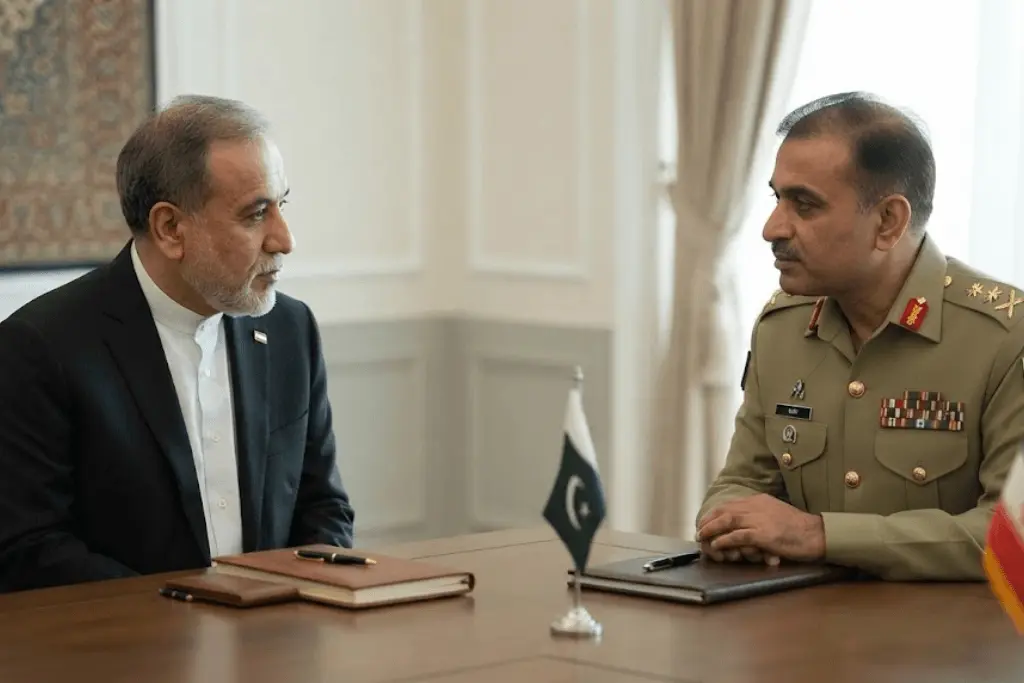
Iranian Foreign Minister Abbas Araghchi called Pakistan Army Chief Field Marshal Asim Munir on September 17 to discuss the latest regional developments and issues of mutual interest. The conversation comes amid ongoing diplomatic efforts over tensions in the Middle East and broader regional security concerns.
The statement from Iran’s Foreign Ministry said the two officials discussed developments affecting the region. No immediate release was given about the details of the specific topics discussed or any decisions resulting from the meeting.
Asim Munir, Araghchi Discuss Latest Regional Developments
During the telephone conversation, Araghchi and Field Marshal Asim Munir exchanged views on the latest regional developments and issues of mutual interest to the two countries. Iran’s Foreign Ministry confirmed the talks but did not offer a detailed account of what was discussed.
Without further context, it is unclear how much more discussion there was. But direct communication between senior Iranian and Pakistani officials offers a channel to share assessments amid a period of heightened regional uncertainty.
Pakistan and Iran share a long land border and have deep-rooted cultural, economic and diplomatic ties. Thus, happenings within Iran and the rest of the greater Middle East can have direct implications for Pakistan’s border areas and national economic interests.
In the meantime, Islamabad has continued to work with regional partners and support diplomatic efforts to de-escalate tensions. At senior levels, communication informs Pakistan of developments that could have an impact on regional security and provides opportunities for constructive diplomacy. The country has kept channels of communication open with both sides and supported dialogue to resolve disputes and prevent further escalation.
Pakistan has been engaged in diplomatic efforts along with Qatar. The engagement indicates the broader role that regional states play in enabling communication between countries with profound political and security differences.
Araghchi’s conversation with Asim Munir took place while he was in Beijing for diplomatic consultations. His visit to China was another facet of the wider diplomatic activity around current regional developments.
China has strong relations with both Iran and Pakistan and has generally supported diplomatic resolutions to regional conflicts. That makes the larger diplomatic context especially relevant to consultations with Iranian officials, as Beijing is undertaking regional diplomacy.
Araghchi’s timing of communication with Pakistan also shows the significance of keeping regional contacts while the senior officials are engaged in international consultations. Iran shares a border with Pakistan and has wide regional connections, which makes Pakistan important for Iran geographically and strategically.
Pakistan And Iran Share Major Border Interests
The Pakistan-Iran border is a direct security relation between the two countries. Border management, movement across borders, trade, and security cooperation are still important areas where developments in one country can affect the other.
The latest exchange comes as developments in the Middle East are causing concern across neighbouring and regional countries. Conflict and diplomatic tensions can impact energy supplies, shipping routes, trade corridors and wider economic confidence.
Pakistan has an interest in minimising the economic fallout of sustained regional instability. Countries that depend on imported fuel and international trade can be under pressure from higher international energy prices, disruption to shipping and uncertainty in major markets.
Diplomatic communication continues to be a vital part of Pakistan’s regional strategy. Keeping the dialogue open with Iran and other regional partners can help Islamabad to understand any emerging risks, while promoting peaceful means to resolve disputes.
Pakistan’s Stance Provides Leverage For Regional Engagement
Pakistan’s positioning geographically puts the country at the crossroads of South Asia, Central Asia and the Middle East. Its border with Iran and close ties with the Gulf states give Islamabad a unique place in wider regional diplomacy.
This can assist Pakistan’s efforts to facilitate dialogue and regional connectivity. Enhanced stability can serve trade routes, energy cooperation and cross-border economic activity while lowering the risks of a protracted conflict.
Senior military and diplomatic contacts can supplement existing bilateral mechanisms. These channels allow officials to exchange assessments and discuss issues that may require coordination between security and foreign policy institutions.
Stable relations with Iran also advance Pakistan’s overall border-management goals. Cooperation can help to make cross-border movement safer and create a more positive climate for legitimate trade and economic activity.
Economic Stability And Regional Peace
The stability of the region has a great bearing on Pakistan’s economic planning. Ongoing instability in the Middle East could add pressure on crude oil prices, shipping costs and international supply chains, potentially adding to pressure on import-dependent economies.
This is why Pakistan has continued to engage in diplomatic efforts that might limit broader escalation. A more stable regional environment would help foster trade, energy security and investment and reduce risks of sudden disruptions in international markets.
The latest phone call underscores the value of direct communication during uncertain times. Even when talks are confidential, consistent contact is a way for officials to share information and keep lines of communication open that may be useful in an emerging crisis. Regional relationships remain a significant asset for the country in seeking to bolster stability and safeguard economic and security interests.
Araghchi-Munir Call Focuses On Pakistan’s Regional Role
The meeting of Iranian Foreign Minister Abbas Araghchi with Pakistan Army Chief Field Marshal Asim Munir has added another senior-level contact between Pakistan and Iran in the wake of continuing regional developments. The Foreign Ministry of Iran confirmed that the officials discussed developments and issues of concern to both countries but did not release details.
The discussion also underscores Pakistan’s ongoing diplomatic engagement with Iran and its broader role in the efforts for regional stability. In times of heightened uncertainty, Pakistan has various means of communication with Iran, the Gulf countries, China, and other international partners.