Farhan Qureshi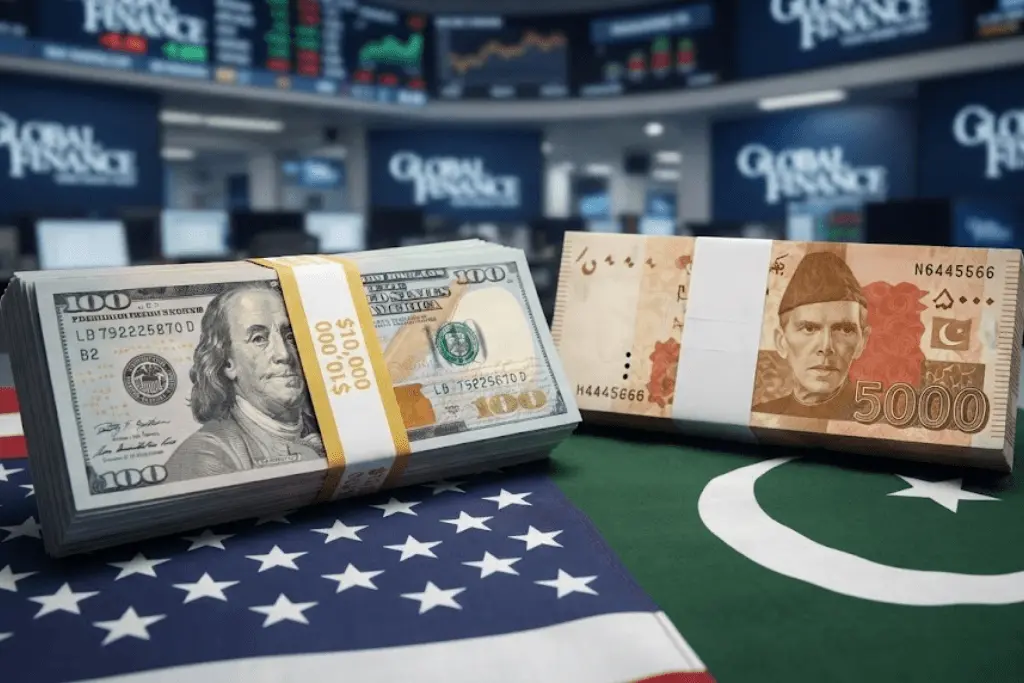
Pakistan is also waiting to hear from the United States on a proposed exchange stabilisation facility, while it is set to ask China to expand its existing Pakistan China swap line when the facility is renewed in 2027. The approach is indicative of Pakistan’s efforts to strengthen external financing options and maintain stability in foreign exchange reserves, Finance Minister Muhammad Aurangzeb said.
Aurangzeb said the 30-billion yuan China facility in existence had been fully drawn. The government has not yet decided on the size of a potential increase, but a formal request is expected when the arrangement comes up for renewal.
Pakistan Looks To Expand Chinese Currency Swap Deal
Pakistan plans to officially ask China to extend the 30 billion yuan currency swap line when the current deal expires in 2027. Aurangzeb said that the talks with the Chinese officials were positive, but the formal process to allow an increase had not yet been finalised.
China remains a major economic partner of Pakistan and financial cooperation is part of a broader relationship involving trade, infrastructure, energy and investment. The currency swap facility is another mechanism through which bilateral financial cooperation can support Pakistan’s external position.
Pakistan is also exploring other financing options as it considers asking for a larger arrangement. Additional access to different sources of liquidity can provide more flexibility as economic reforms, investment measures and export growth continue.
US To Decide On Proposed Stabilisation Facility
Pakistan is also awaiting a US response to a proposed $10 billion exchange stabilisation facility, along with the China arrangement. A decision is expected within two months, Aurangzeb said, making the facility a key part of Islamabad’s near-term external financing discussions.
The proposed facility would be another potential source of support for Pakistan’s foreign exchange position. The move comes as the government seeks to maintain sufficient reserves to meet external debt obligations and to deal with the broader economic impact of international market volatility.
Pakistan In Negotiations With US Financial Institutions
Pakistan is also in talks with the US Export-Import Bank and the US International Development Finance Corporation. The talks could provide support to specific investment and development projects rather than merely general external financing.
Aurangzeb has described Pakistan’s engagement with China and the United States as an alternative economic strategy. China remains a long-term strategic partner, and improved economic relations with Washington are creating more opportunities for investment, financing and trade.
This approach enables Pakistan to sustain its existing partnerships while forging new channels for international economic engagement. This kind of diversification may be especially important for a country that wants to build up reserves and attract investment while relieving pressure on the external accounts.
Pakistan Watching Impact Of High Oil Prices.
The talks on financing are taking place against a difficult international energy backdrop. The latest Middle East conflict has pushed crude oil prices higher, adding to the uncertainty for countries that rely heavily on imported energy, including Pakistan.
Aurangzeb said Pakistan had done a reasonably good job in the initial spike in oil prices but cautioned that a long-drawn-out conflict could put more pressure on the economy. Ongoing disruption into November or December could impact economic activity and put the government’s four per cent growth target for the financial year at risk.
Pakistan Concentrates On External Stability
Stability in the foreign exchange market remains a key element of Pakistan’s economic planning, as sufficient reserves are required to support imports and service external debt obligations. In times of market uncertainty, financing arrangements with international partners can offer additional flexibility.
The government has no plans to seek additional emergency funding from the International Monetary Fund, although the focus remains on external financing. “We are still in a manageable situation economically within the existing framework,” Aurangzeb said.
An IMF team is scheduled to visit Pakistan for the fourth review of the country’s $7 billion program and the third review under the Resilience and Sustainability Facility. The government anticipates the review process will gauge progress against agreed economic and structural benchmarks.
China Swap Line Could Help Reserve Management
When the current facility is renewed, Pakistan could have additional flexibility in managing foreign exchange liquidity through an expanded China swap arrangement. The existing 30 billion yuan line has been exhausted, so the renewal talks are particularly important for future reserve management.
The facility is not being viewed in isolation from Pakistan’s wider financing strategy. Engagement with the United States, China, Gulf partners and multilateral institutions is part of a broader effort to secure adequate external resources while strengthening the domestic economy.
Pakistan Expands Economic Cooperation And Financing Options
In its latest financing strategy, Pakistan is seeking to keep strong ties with its traditional partners and look for new ways to attract investment and economic cooperation. That will include the proposed request for a larger China swap line and talks with US institutions.
Pakistan is nearing a key inflection point in its external financing plan, with a formal application for a larger China currency swap line expected when its existing 30 billion yuan arrangement is renewed in 2027, and a decision on the proposed stabilisation facility of $10 billion for the US exchange expected in two months.
The simultaneous relations with China and the United States present opportunities for Pakistan to enhance financial resilience and develop investment links in aviation and energy, and the strategy also highlights Islamabad’s endeavour to maintain fruitful economic relations with the two great powers of the world.