Maria Imran
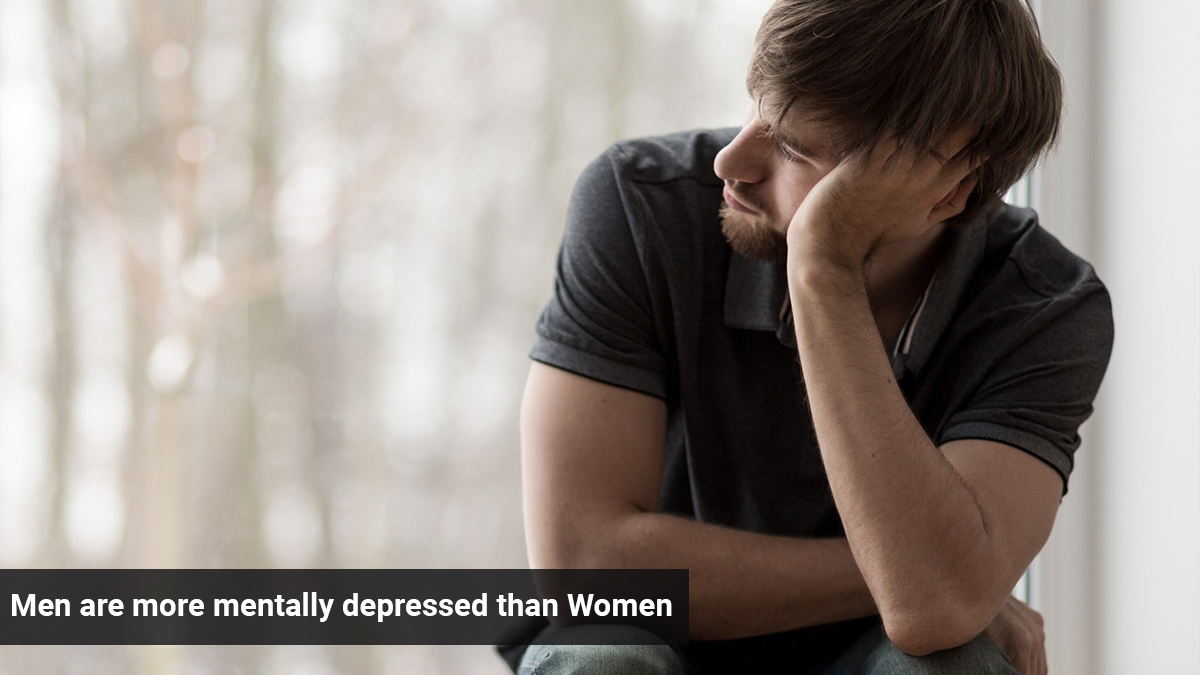
Pakistani doctors and health officials have urged that mental healthcare in Pakistan be made more accessible on the occasion of World Mental Health Day observances. The country is also estimated to have 24 million to 32.4 million people who need mental health services or psychiatric help, indicating the magnitude of the demand.
Mental Healthcare in Pakistan Gains National Focus
Specialist numbers remain limited, with roughly 0.19 psychiatrists per 100,000 people, and only about 5% of those needing care can currently access services, and growing public attention to the issue is a positive step, since wider awareness helps build the case for sustained investment in services and training.
National Policy Opens a New Chapter
The government recently launched the National Mental Health Policy 2026-2035 at the Pakistan Global Mental Health Summit in Islamabad, with support from the World Health Organisation and UNICEF, and the policy provides a long-term framework for expanding services and strengthening the health workforce.
Prime Minister Shehbaz Sharif and President Asif Ali Zardari have both stressed the need to fight stigma, discrimination and public reluctance to seek help. Senior psychiatrists such as Dr Fareed Tahir have also urged a patient-centred approach in which individuals are treated as active participants in their own recovery.
Reforms to Open Access
Experts have recommended that treatment should be extended from major tertiary hospitals to local health centres, schools and community-based platforms, and integrating mental health into primary healthcare can also bring support closer to families, particularly in smaller towns and rural districts.
Grassroots and digital solutions can bridge workforce gaps further. Local non-profits, helplines such as Taskeen and telepsychiatry tools offer practical routes to care, and they fit well alongside wider public health efforts such as the nationwide HPV vaccination drive, stepped-up dengue prevention in Islamabad and the polio campaign that reached 31 million children. Global health decisions also matter, as the WHO leadership race and polio funding show, and Pakistan’s growing policy focus on mental wellbeing places it on a stronger footing to deliver care at scale.
Keep Reading: More Pakistan Health Headlines
Can HPV Vaccination Protect Women?
Look into Pakistan’s nationwide cervical cancer vaccination drive.
Will WHO Leadership Affect Polio?
Find how the leadership race may shape Pakistan’s polio funding.
How Is Islamabad Fighting Dengue?
Check out the stepped-up prevention measures in hospitals.
Did Polio Drive Reach Millions?
See how 31 million children were covered nationwide.
Why Are Pakistanis Facing Fraud Charges?
Uncover the allegations in the major US healthcare case.