Maria Imran
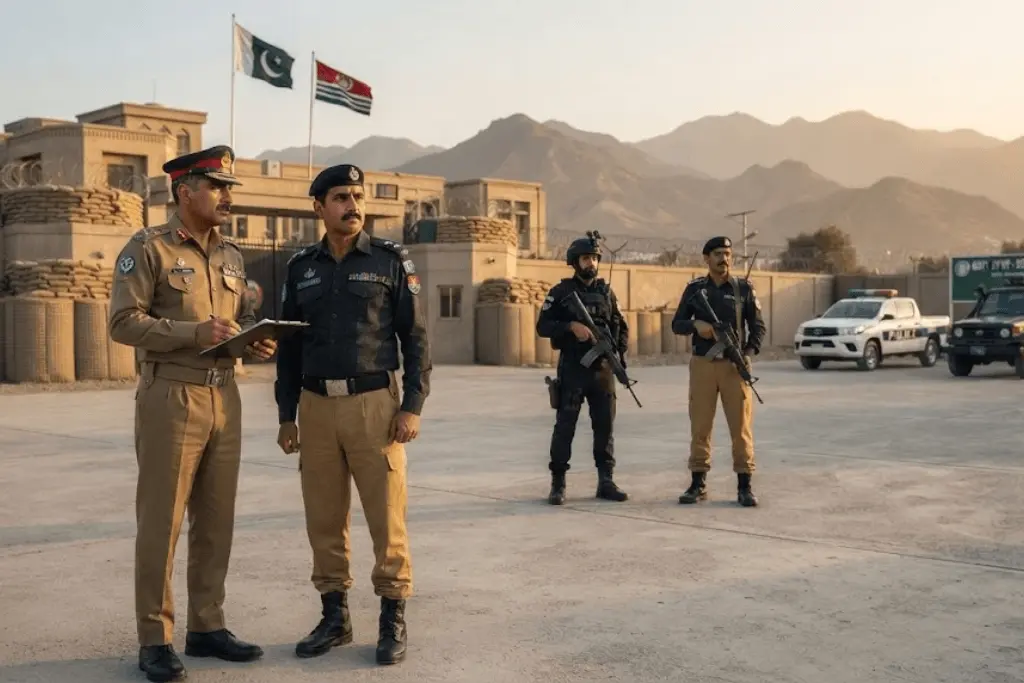
KP emergency human rights
Amnesty International has urged that the state of KP emergency human rights, governor’s rule and military deployment in Khyber Pakhtunkhwa must not become a pretext for human rights violations. The organisation’s Deputy Director for South Asia, Babu Ram Pant, stated that emergency measures are not a blank cheque to crack down on human rights, silence dissent or concentrate power.
KP Emergency Human Rights Safeguards Highlighted
Such a call places the focus on proportionality and accountability at a sensitive moment for the province. It also offers the authorities a clear framework for combining security objectives with respect for rights and the rule of law.
Concerns Over Detentions and Communications
Amnesty pointed to reports of arbitrary detention of key political leaders, including the provincial chief minister, and to widespread internet disruptions across Khyber Pakhtunkhwa. The organisation said these steps raise serious questions about the proportionality of the state response.
Restoring communications promptly would help residents reach services, families and information, and it would support public confidence in the measures taken. Transparent handling of detentions can likewise show the commitment of the state to due process.
Legal Limits and Pakistan’s Constitutional Path
International law allows states to derogate from certain human rights obligations in strictly limited public emergencies that threaten the existence of the nation, provided that actions remain proportional and bounded by law. The government has set out its reasoning in why governor’s rule is defended as a last resort under Article 234, and the wider history of federal intervention in KP offers useful context.
The prime minister has also described peace efforts and the claims on failed negotiations, while political debate continues, including the row over the governor’s security meeting. Pakistan’s courts have shown their role in protecting rights, as seen in the Shariah Court ruling on workplace harassment law, and that institutional strength can help ensure that stability and rights move forward together.
Keep Reading: More on Khyber Pakhtunkhwa’s Political Developments
Is KP History Repeating Itself?
Look into decades of federal intervention in the province.
Why Is Governor’s Rule Last Resort?
Find the government’s case under Article 234.
Did KP Block Peace Talks?
Uncover the prime minister’s claims on failed negotiations.
Why Is Afridi Criticising Governor Kundi?
Check out the row over the governor’s security meeting.
What Did Shariah Court Decide?
See the ruling on workplace harassment law.