Maria Imran
Nuristan clashes Pakistan
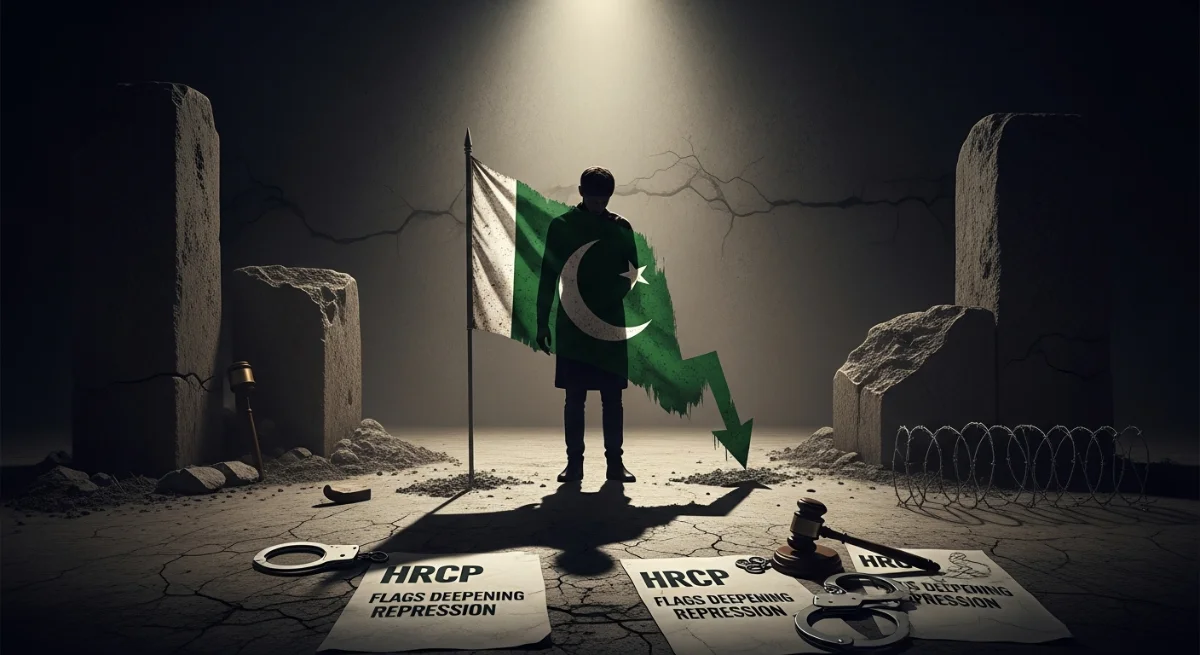
Pakistan has rejected Afghan Taliban allegations linking its security forces or intelligence agencies to clashes in Afghanistan’s Nuristan clashes Pakistan province. The Ministry of Information and Broadcasting and the Foreign Office described the claims as frivolous, baseless and devoid of any truth.
Country Rejects Afghan Allegations Over Nuristan clashes Pakistan
Islamabad firmly denied any role in internal fighting in Nuristan or Kunar provinces. The denial covers accusations that Pakistan recruited or trained former Afghan security personnel, or facilitated Daesh and other militant groups.
Such claims, Islamabad stressed, have no factual grounding and do not reflect its long-standing position of seeking peace and stability in the region, as well as the firm and timely response shows a government ready to defend its record and protect its credibility.
Absence of Evidence Weakens the Claims
Pakistan pointed out that Kabul has failed to produce any verifiable proof, as well as, such as identities, documents, communication records, forensic data or independent verification. Serious allegations of this kind, Islamabad noted, require credible evidence rather than assertion.
Videos circulating on social media were also dismissed as staged or false claims that do not establish any link to Pakistan. Authorities made clear that unverified footage cannot serve as a basis for accusing a sovereign state.
A measured, evidence-based approach keeps public debate grounded in facts at a time when misinformation can inflame tensions quickly, as well as, it also reflects a responsible posture that international observers are likely to value.
Counter-Terrorism Stance Remains Consistent
Islamabad countered that its own military actions were precision counter-terrorism strikes targeting militant hideouts inside Afghanistan that were involved in attacks against Pakistan. It urged the Afghan Taliban to stop allowing Afghan soil to be used for terrorism.
That position matches earlier steps, including the overnight air strikes on militant positions in Kunar and Helmand, which officials said were based on credible intelligence. The approach has focused on militant targets and on protecting civilians and border communities.
Senior leaders have repeated the message in clear terms. Ishaq Dar warned the Afghan Taliban of serious consequences if terrorist groups continue to operate from Afghan territory, while Information Minister Attaullah Tarar said that Pakistan will respond to any attempt to destabilise the country.
Diplomacy and the Wider Regional Picture
Pakistan has also sought to place its experience before international audiences. Field Marshal Asim Munir asked the US Afghanistan War Commission to include Pakistan’s experience and wider regional viewpoint in its work, as seen in the Asim Munir war review.
The latest exchange comes against a backdrop of rising Pakistan-Afghanistan border tensions, marked by cross-border incidents and infiltration attempts. In that setting, a clear public rebuttal helps prevent confusion and keeps the focus on verifiable facts.
The practical way forward lies in dialogue backed by evidence, with Kabul acting against groups that use its territory to plan attacks, as well as, Pakistan has kept that door open while making clear that its security will not be compromised, a balanced stance that supports long-term regional stability.
Stay Informed: More on Pakistan and Afghanistan
What Did Dar Warn Kabul About?
Look into the warning on terrorist groups operating from Afghan territory.
Why Did Pakistan Strike Afghanistan?
Find the details behind the overnight strikes in Kunar and Helmand.
What Did Tarar Say About Afghanistan?
Check out Pakistan’s warning on any attempt to disturb its peace.
What Does Munir Want Reviewed?
Uncover why Pakistan’s experience should shape the Afghan war review.
Are Border Tensions Rising Again?
Dive into the cross-border incidents putting fresh pressure on ties.