Maria Imran
UNICEF Peshawar Press Club
An anti-terrorism court in Lahore has been criticized for refusing to ATC bail rejection to Allama Farooq-ul-Hassan, a leader of the proscribed Tehreek-e-Labbaik Pakistan. Judge Shahid Sikandar, who is hearing multiple cases filed against the leader on charges of murder, use of violence against police, arson and terrorism, said he was “not satisfied” and rejected the request.
ATC Bail Rejection Reinforces Rule of Law
In 2025, two cases were registered at the police station of Nawan Kot and one at the police station of Shahdara and they were refused bail. The ruling also demonstrates the judicial process working within the framework of established procedures, with each application considered on its own merits.
Cases Still Pending Before the Court
The court reserved its decision on bail applications in three further cases registered in 2025. These are Case No. 3467/25 at Shahdara Town, Case No. 2851/25 at Gujjarpura and Case No. 3279/25 at Nawan Kot.
Reserving judgment indicates that the court is taking a careful approach and weighing the material placed before it, such an approach supports public confidence that every accused person receives a fair hearing under the law.
Charges and Institutional Accountability
The allegations include murder, attacks on police officers, arson, vandalism, sedition and terrorism provisions. Prosecutors have also alleged that the leadership incited workers to engage in violence, claims that the court will continue to examine as proceedings move forward.
Pakistan’s anti-terrorism courts exist to handle serious security-related cases swiftly, and the Lahore ruling reflects their role in upholding law and order. The state’s firm but lawful response also matches its wider approach to security, seen in the overnight strikes on militant positions in Kunar and Helmand and in Information Minister Tarar’s warning that any attempt to disturb peace will be met with a response.
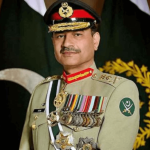
The same commitment to stability appears in Pakistan’s diplomacy. Field Marshal Asim Munir has urged that Pakistan’s experience be reflected in the US war commission’s review, while the country continues to manage border tensions with Afghanistan with firmness. Alongside this, Pakistan has shown a humane side through its clarification on Afghan students continuing their studies, proving that security and compassion can go together.
Explore More On Pakistan And Afghanistan
Why Did Pakistan Strike Afghanistan?
Check out the details behind the overnight strikes on militant positions in Kunar and Helmand.
What Did Tarar Say About Afghanistan?
Find out how Pakistan responded to any attempt to disturb its peace and security.
What Does Munir Want Reviewed?
Uncover why the Field Marshal wants Pakistan’s experience reflected in the US war commission’s work.
Are Border Tensions Rising Again?
Dive into the cross-border incidents and infiltration attempts putting fresh pressure on ties.
Can Afghan Students Continue Studying Here?
Look into Pakistan’s clarification on valid visas and registrations for recognised degree programmes.