Maria Imran
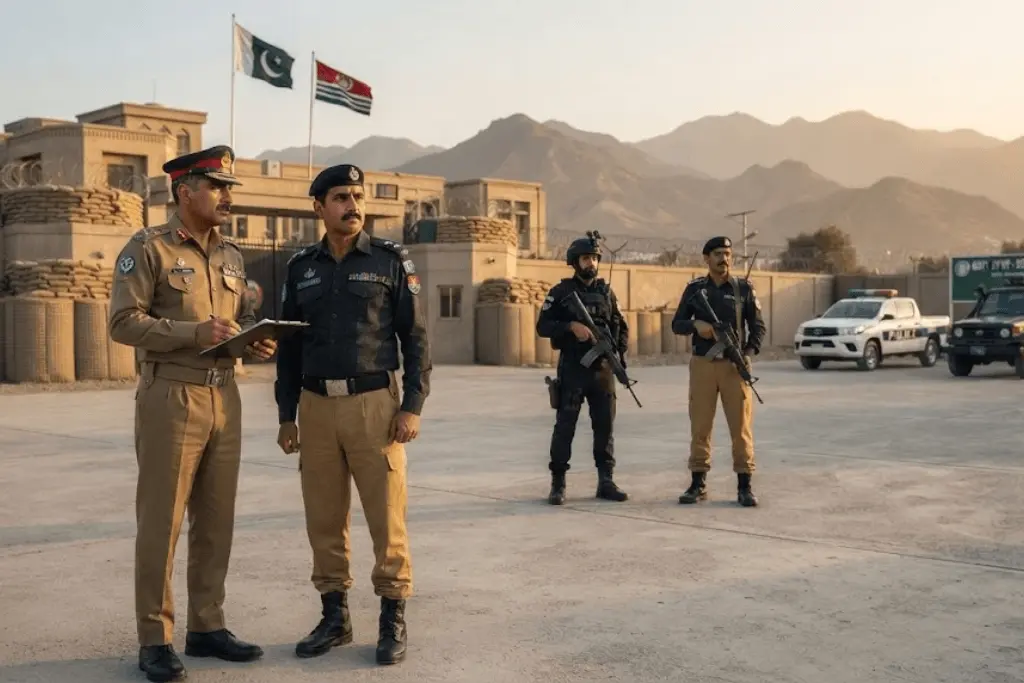
Governors Rule debate
Governors Rule in KP is being defended by the federal government and its legal supporters as a legitimate mechanism provided by the Constitution for extraordinary governance breakdowns. Law Minister Azam Nazeer Tarar and other federal officials stress that it is not martial law, but a framework designed by the creators of the 1973 Constitution to manage severe internal crises.
Why Governors Rule in KP Is Defended as Constitutional
Two provisions anchor the argument. Article 232 permits federal intervention when internal disturbances pose a grave threat to security beyond a provincial government’s power to control, while Article 234 allows the President to authorise the Governor to assume executive functions when a provincial administration can no longer function in line with the Constitution.
Security and Administrative Grounds
Supporters point to a sharp surge in terrorist attacks across KP and allege that the provincial administration engaged in deliberate disengagement from counter-terrorism efforts. According to the federal cabinet, the provincial machinery did not cooperate with federal security agencies, leaving federal oversight as the remaining constitutional recourse to protect the state.
Defenders also argue that provincial resources, personnel and equipment were used to lead political marches towards the federal capital. In their view, using state machinery to provoke institutional confrontation justified federal action to restore administrative stability, an argument also seen in earlier coverage of the Azadi March and the federal discussion on treason charges.
Oversight, Time Limits and the Rule of Law
Legal experts highlight that the measure does not permanently dissolve democratic institutions. The powers of the KP Assembly pass to the federal Parliament, so elected lawmakers retain oversight, and the rule is approved for an initial two months with a maximum of six, after which the elected cabinet and Chief Minister are legally restored.
Pakistan’s institutions continue to act as checks on executive power, as seen in the Supreme Court’s restoration of the NAB law and the Islamabad High Court order barring PECA arrests. Consultation also matters for governance, as shown by the demand of Karachi businessmen to be consulted on decisions. While practical administration continues through steps such as the new federal office timings, and together, these points show a system in which emergency powers remain bound by law, time limits and parliamentary scrutiny.
Keep Reading: More Federal Government Stories
Did Supreme Court Restore NAB Law?
Look into the petition and the restored verdict.
Did Government Weigh Treason Charges?
Find the federal discussion that followed the Azadi March.
Why Did IHC Stop PECA Arrests?
Dive into the order on Section 20 arrests.
What Did Karachi Businessmen Demand?
Check out their call for consultation on business decisions.
What Are New Federal Office Timings?
See the updated working hours set by the Establishment Division.