Farhan Qureshi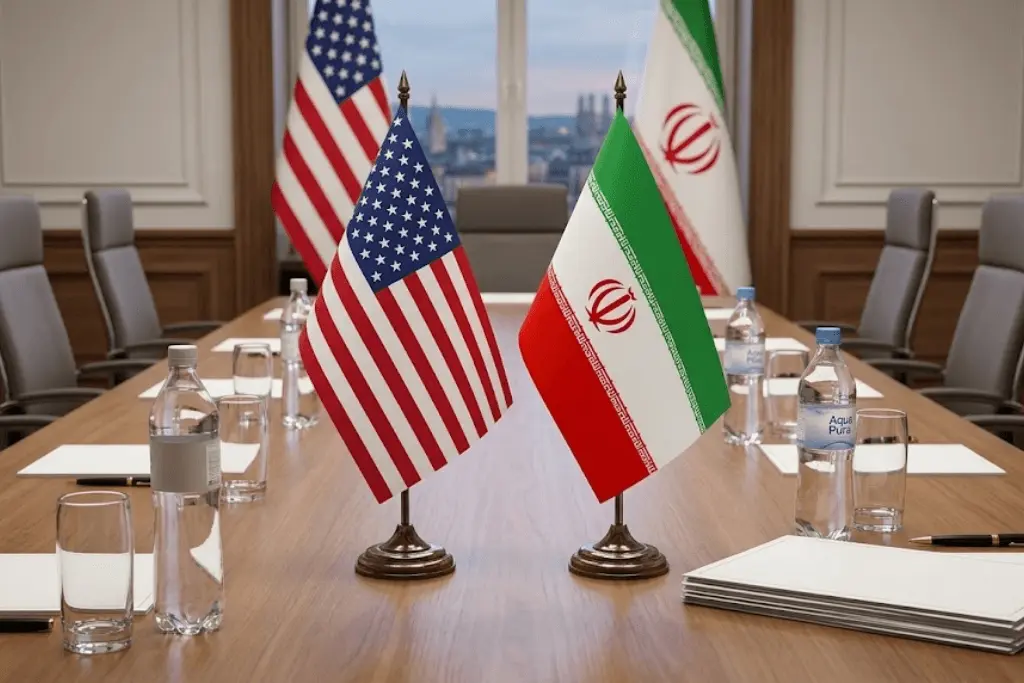
The development is also significant for Pakistan, which has always advocated dialogue and supported Iran US diplomacy and the June framework as a path to regional stability. Efforts to prevent further escalation and keep open lines of communication between Washington and Tehran are important given Islamabad’s diplomatic status.
Iran Signals Its Readiness To Return To Diplomacy
The latest diplomatic overture came from President Masoud Pezeshkian during a Shanghai Cooperation Organisation summit in Bishkek, Kyrgyzstan. Iranian President Mohammad Khatami said Tehran would still be prepared to respond positively if the United States honoured commitments contained in the June interim memorandum of understanding.
The statement is an opening condition, not an immediate agreement. Iran’s position is that American compliance should be the starting point for reciprocal Iranian action and create a framework in which both sides could slowly rebuild confidence and return to negotiations.
Dispute Critical To June Interim Pact
The latest diplomatic discussion continues to centre on Iran and the United States’ differences over implementation of the June memorandum of understanding. Meanwhile, Iran stresses that Washington should first honour its obligations before Iran can take reciprocal steps.
The full restoration of the passage through the Strait of Hormuz is contingent upon the Americans meeting their original obligations. One of the biggest hurdles to restoring the June framework is who should make the first move. Iran continues to demand that the US meet earlier commitments, but the US position has not indicated an immediate acceptance of that sequencing.
Pakistan Reaffirms Support For Dialogue, De-Escalation
Pakistan has emerged as an important backer of diplomatic efforts on the US-Iran dispute. The June deal was brokered with the help of Islamabad and Qatar, giving Pakistan a direct stake in the diplomatic process and a greater interest in maintaining a negotiated path to stability.
Prime Minister Shehbaz Sharif has continued to say that the US-Iran framework is the best way forward for regional stability. Pakistan has continued to call on both sides to respect the interim understanding and return to dialogue, rather than allow renewed fighting to determine the course of the crisis.
Strait Of Hormuz Takes On Broader Economic Significance
The Strait of Hormuz, a critical shipping route and energy corridor, continues to figure prominently in the diplomatic dispute. Any long-term disruption of the waterway can cause economic uncertainty well beyond Iran and the United States, affecting transportation, energy markets and countries relying on steady commercial routes.
Pakistan looks forward to the return of predictable maritime conditions. Diplomatic progress would be particularly welcome for countries across South Asia, as stability around the Gulf could make trade easier and reduce the economic cost of extended regional confrontation.
Pakistan’s Mediation Role Becomes More Important
Pakistan’s involvement in the mediation effort in June allows Islamabad to keep contributing positively as tensions flare anew. The latest Iranian statement presents another opportunity for diplomatic engagement even if big differences remain on implementation.
Pakistan’s geopolitics and diplomacy are well-placed to maintain links in a complex regional environment. Continued dialogue with relevant countries can help to maintain focus on the negotiations and to prevent developments that might escalate the conflict.
Reciprocal Commitments May Break Diplomatic Stalemate
The big problem now is to identify a workable sequence of reciprocal measures. Iran’s position indicates that U.S. adherence to the June commitments could prompt a swift Iranian reply that could pave the way for restoring trust.
A phased process might allow each side to manage specific obligations without having to resolve all differences at the same time. Such an approach could help to build confidence, while also reducing the risk that one pressing issue would derail wider diplomatic progress.
SCO Platform Enables Broader Diplomatic Messaging
Pezeshkian’s comments at the SCO summit in Bishkek put the Iranian position in a broader multilateral framework. The SCO is a platform for discussing regional security, economic cooperation and international developments along with bilateral disputes.
The broader diplomatic environment in which Pakistan’s support for dialogue is unfolding makes it more relevant. Multilateral forums can assist in keeping lines of communication open between countries with conflicting interests, and can offer a forum to discuss the wider ramifications of regional instability.
Diplomatic Opening Brings Hope Despite Big Obstacles
Iran’s latest statement gives no hint of an imminent comprehensive US-Iran settlement. Much remains unclear about economic pressure, maritime restrictions, the order of reciprocal steps and the terms of the June understanding.
But Tehran’s stated willingness to reciprocate if Washington fulfils its commitments sends a clear diplomatic signal. This suggests the door to negotiation is not closed, and that the June framework could be revived if both sides find enough political room to move.
Pakistan Backs Peaceful Approach As Tensions Rise
The latest developments have brought diplomacy back to the forefront of the discussion on the US-Iran confrontation. Tehran has offered the possibility of a reciprocal move if US commitments under the June memorandum are restored, while Washington continues to pressure and voice reservations about immediate re-negotiation.
Pakistan’s priority remains to keep a diplomatic path open to de-escalate tensions and safeguard regional stability. The country’s previous role as mediator with Qatar and ongoing comments from Prime Minister Shehbaz Sharif and Foreign Minister Ishaq Dar suggest continued backing for negotiated solutions.