Farhan Qureshi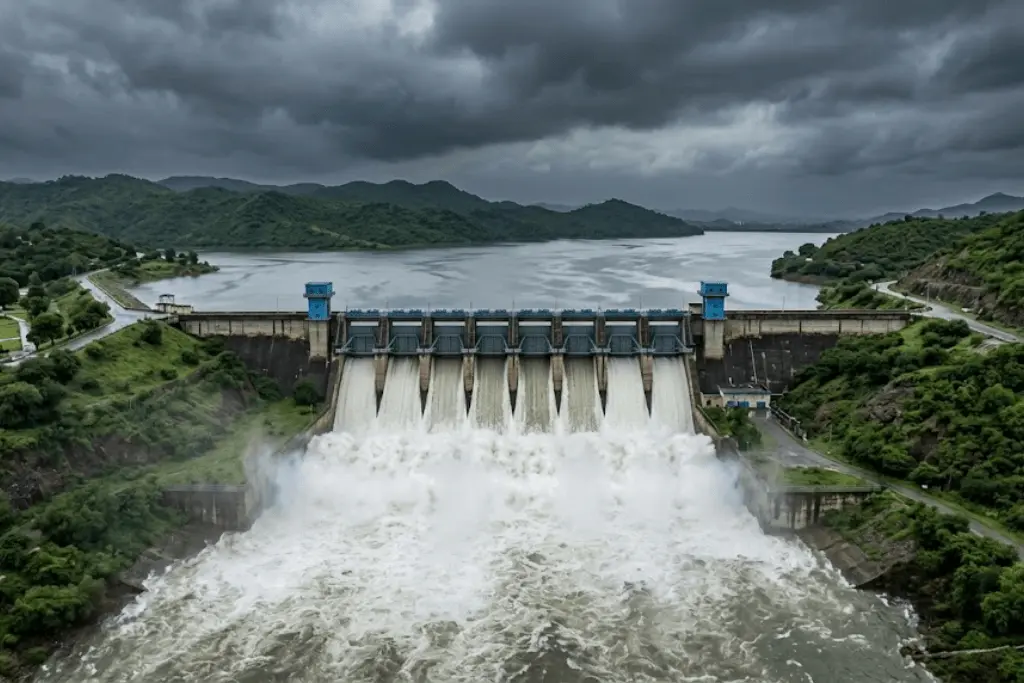
Islamabad’s Rawal Dam is being closely watched as the reservoir is nearing its maximum capacity and the district administration has opened its spillways due to heavy monsoon rains. The release followed a rapid rise in the water level to 1,751.90 feet, just shy of the reported maximum of 1,752 feet.
Rawal Dam Spillways Opened, Water Level Rises
Due to the heavy rains in the catchment area, the water level in the reservoir rose to 1,751.90 feet by September 1, 2026. Consequently, the Islamabad district administration was forced to open the spillways of Rawal Dam at 2:00 pm. The controlled release was to control excess water and to ensure the safety of the dam; the level was recorded approaching the stated maximum capacity of 1,752 feet.
The release is intended to release the excess water through Korang Nullah into the Sawan River, and the conditions along the downstream waterways become an important part of the overall safety operation. More water moving through can increase flows and create hazardous conditions around riverbanks, low-lying areas and crossings.
Islamabad Intensifies Surveillance During Monsoon
Due to rising water levels, increased monitoring is being conducted in all areas that could be affected by the Rawal Dam discharge. Heavy rain can alter the scenario around dams, nullahs and rivers very rapidly, and continuous observation becomes very important when a reservoir nears its operating limits.
The administration of Islamabad has responded, coordinating with emergency services and law enforcement agencies. Rescue 1122 and local police were put on high alert to enhance capacity for emergency response in case water levels or downstream flows pose risks.
Sirens Sounded Before Controlled Water Release
Before opening the spillways, sirens were sounded to warn of the expected rise in downstream water flow. The measure is part of a comprehensive precautionary response to alert people in potentially affected areas before the additional water reaches downstream channels.
Public awareness in and around Korang Nullah and connected waterways is especially crucial as the velocity and flow of water can change in a short time. Low-lying areas have been warned to stay away from fast-flowing water and avoid temporary bridges, along with residents, motorists and other travellers.
Korang Nullah Dumping Surplus Water Into Sawan River
The discharge route through Korang Nullah links the Rawal Dam release with the Sawan River system. The nullah is carrying more water, so the downstream areas need special attention. The water level and speed can rise without much warning.
Communities living or travelling near waterways therefore still have an important role in the safety response. Public cooperation with official warnings can reduce the probability of incidents, in particular near low-lying roads and riverbanks and temporary crossings which may become unsafe during periods of strong flow.
Water Moving Downstream Still A Public Safety Priority
The decision to discharge water has been taken with clear safety precautions for people living and travelling in and around potentially affected areas. Korang Nullah and other waterways have been told to stay away from the channels and watch for changing conditions.
One of the areas that need to be especially cautious of is temporary bridges because an increase in the flow of water can weaken or overwhelm structures. Those should not be crossed during controlled releases, providing another layer of protection as emergency agencies monitor conditions downstream.
Emergency Services On Standby For Potential Flooding
The presence of Rescue 1122 and police teams on high alert boosts Islamabad’s capacity to respond in case conditions worsen. Being prepared for emergencies means personnel can respond more quickly to incidents such as flooded roads, travellers who are stranded or a sudden increase in water flow.
Preparedness also provides confidence that the monitoring is underpinned by operational capacity. Instead of just warnings, the authorities have set up response agencies to help communities if the changing water situation causes emergencies.
Water Management Demonstrates Need For Timely Decisions
The decision to open the spillways before the reservoir reached its stated maximum level is an example of managing rising water pressure and storage capacity in a controlled manner. The difference between the observed level and maximum capacity was only about 0.10 feet, highlighting the need for continued monitoring.
Reservoir management needs decisions to be made based on changing rainfall, inflows and downstream conditions. Controlled releases may offer authorities more flexibility in managing the available storage while discharging the excess water through an established route of discharge.
Rawal Dam Under Close Watch Due To Monsoon Conditions
The latest spillway opening comes on the back of heavy monsoon downpours in the dam’s catchment area. Continued rainfall may affect inflows and downstream conditions, and continued monitoring is warranted even after the initial release has been made.
The authorities therefore have to balance the level of the reservoirs with the safety downstream. Water management officials continue to coordinate with emergency agencies, and the situation can change rapidly if the rainfall continues heavily.
Islamabad Response Shows Need For Preparedness
Rawal Dam’s situation is an example of how timely monitoring, controlled water release and coordinated emergency preparedness can go hand in hand during Pakistan’s monsoon season. As the reservoir approached its reported capacity, the administration ramped up emergency preparations and issued safety warnings to the public.
The involvement of Rescue 1122, police and district authorities is a systematic arrangement to respond to downstream hazards. Sirens and public announcements are also part of the communication chain to warn communities of changes in water quality.
Visit The Pakistan for more updates.