Farhan Qureshi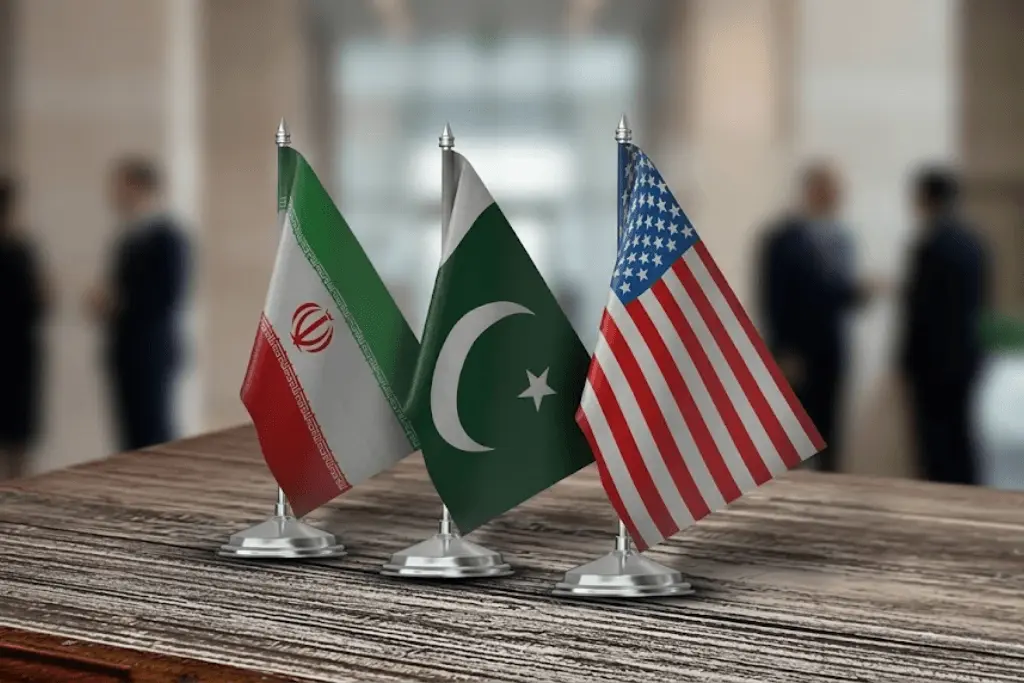
The Islamabad Memorandum of Understanding (MoU) was the outcome of mediation efforts by Pakistan and Qatar in June 2026, forming part of the Pakistan US Iran peace framework aimed at promoting regional stability. Among its key aims were to end military confrontation and assist in reopening the Strait of Hormuz, a key shipping and energy route for the world.
Pakistan: Diplomacy Is The Centre Of Regional Stability
Prime Minister Shehbaz Sharif’s backing for the framework puts Pakistan squarely behind a diplomatic resolution to the Washington-Tehran confrontation. At a meeting of the Shanghai Cooperation Organisation, the prime minister reiterated the deal was still the best available route to restoring stability and lowering the risk of a further escalation.
Pakistan’s position is part of a broader emphasis on dialogue, negotiated settlements and regional peace. Islamabad has continued to press both sides to return to the principles that forged the interim understanding and keep diplomatic channels open, instead of treating fresh fighting as an inevitability.
Islamabad Memorandum Of Understanding Produced By Mediation
The Islamabad MoU was signed in June 2026 following mediation between Pakistan and Qatar, at a time when diplomacy was focused on preventing military confrontation between the United States and Iran. The agreement was designed to establish a framework for de-escalation, while also addressing one of the most pressing issues in the region, the security of and access to the Strait of Hormuz.
The Strait is of great importance for international trade and energy markets, and stability around the waterway is important far beyond the immediate parties to the conflict. A prolonged interruption could create broader economic uncertainty, strain energy supplies and complicate commercial shipping through one of the world’s most strategically important maritime passages.
Resumption Of Fighting Raises New Hopes For Peace
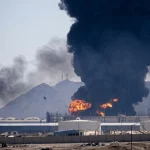
The June agreement was followed by fresh uncertainty as to the durability of the peace framework, with fighting resuming once again. The renewed confrontation has increased the pressure on diplomatic actors to prevent a further escalation that could spill out of the immediate US-Iran dispute.
The resumption of hostilities makes continued diplomatic engagement all the more important for Pakistan. By sticking with the framework, Prime Minister Shehbaz Sharif shows Islamabad believes the current diplomatic process is more useful than breaking off talks after renewed military confrontation.
Ishaq Dar Urges US, Iran To Respect Deal
Foreign Minister Ishaq Dar has also supported Pakistan’s diplomatic message urging both the United States and Iran to adhere to the interim agreement. The call comes at a time when Islamabad continues to emphasise the importance of compliance with diplomatic understandings to avoid further deterioration.
The foreign ministry’s position reinforces the message coming from Pakistan’s political leadership and provides a consistent diplomatic stance. The continued calls for restraint also allow Pakistan to continue its constructive engagement with both sides without the country being viewed as a party to the military confrontation.
Pakistan’s Diplomatic Role Takes On Added Regional Significance
Pakistan’s involvement in the June mediation effort demonstrated that Islamabad could play a role in difficult international negotiations. That cooperation with Qatar opened up a diplomatic channel to dial down confrontation and set the stage for a return to dialogue.
This role is critical for Pakistan since regional stability has a direct bearing on the country’s economic and security environment. Extended conflict in the Gulf and surrounding regions has the potential to affect energy markets, maritime trade and transport networks, as well as wider economic confidence across South Asia.
Strait Of Hormuz Still Key To Economic Stability
The Strait of Hormuz is a critical component of the peace framework as the waterway connects major energy-producing regions with the global markets. The June agreement to reopen the strait to shipping therefore linked diplomatic de-escalation directly to international economic stability.
Any disturbance to the maritime traffic through such a strategic route can have implications far beyond the immediate area of the conflict. Additional costs, increased transport risks and uncertainty over energy supplies could put added pressure on countries already suffering from economic problems.
Pakistan Persists With Dialogue Despite Setbacks
The fighting has not changed Pakistan’s stated preference for diplomacy. Instead, Islamabad has continued to portray the peace framework as a viable track toward stability, sending a message that diplomatic accords should not be discarded because their implementation hits snags.
Prime Minister Shehbaz Sharif’s role at the SCO meeting offers an international platform for Pakistan’s message. The emphasis on dialogue also fits into the larger multilateral context of the Shanghai Cooperation Organisation, which is a significant forum for discussion on regional security, economic co-operation and political stability.
De-Escalation Between The Us And Iran May Benefit Pakistan, Region
A prolonged de-escalation of tensions between the US and Iran would have far-reaching consequences for the greater geopolitical climate in Pakistan. Pakistan’s support for the Islamabad MoU is support for a process, not for a short-term ceasefire. A sustainable solution will require continued diplomatic engagement, respect for commitments already made and a willingness from both the United States and Iran to resolve their differences through negotiations rather than military escalation.
The immediate challenge remains to restore confidence in the framework following the resumption of fighting. Pakistan’s diplomatic messaging is centred on keeping the agreement alive and nudging both sides to return to the principles of restraint and dialogue that formed the basis of the June arrangement.
Pakistan’s Stand On Peace Sustains Regional Dialogue
Pakistan has welcomed the US-Iran peace framework and is looking to diplomacy to respond to renewed tensions in the region. Both Prime Minister Shehbaz Sharif and Foreign Minister Ishaq Dar have said that it is better to respect the interim agreement than to face prolonged confrontation.
Relevant is the Islamabad MoU, which ties political de-escalation to concrete regional priorities like the resumption of safe maritime traffic through the Strait of Hormuz. Pakistan’s continued backing for the framework means that despite the latest setback, the door is still open for talks to be renewed.