Maria Imran
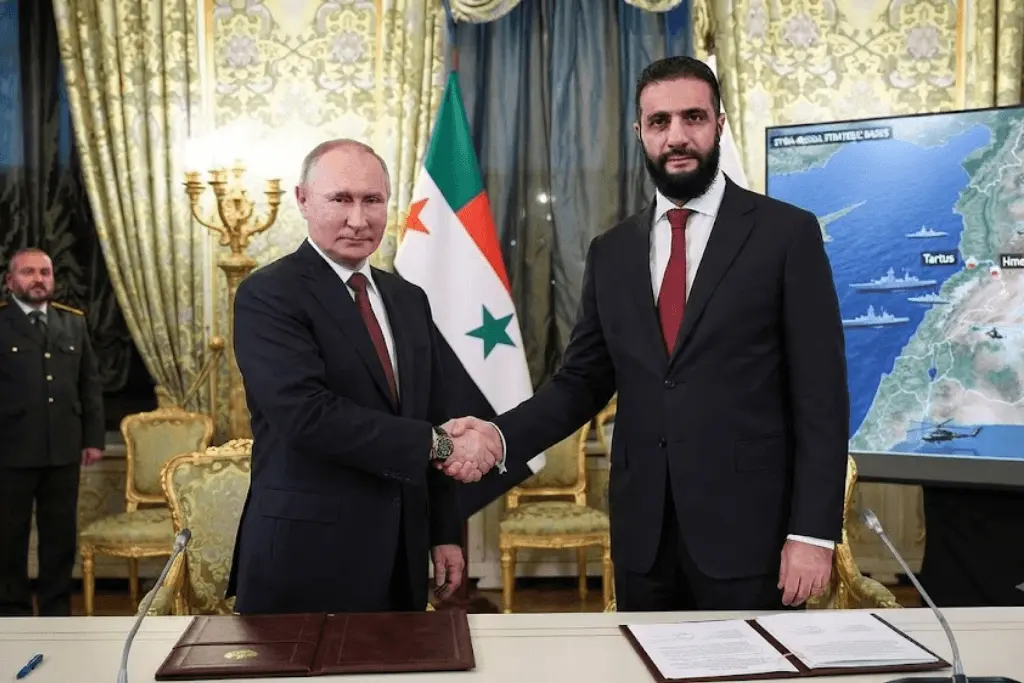
Pakistan-Russia IGC talks began at the technical level on 23 November 2026, opening the 11th session of the Intergovernmental Commission in Moscow. The three-day session covers trade, economic, scientific and technical cooperation, and runs until 25 November, when final protocols and more than 10 bilateral agreements are expected to be signed.
Pakistan-Russia IGC Talks Begin in Moscow
Russian Energy Minister Sergey Tsivilev and Pakistan’s Federal Minister for Power Awais Leghari co-chair the commission, with Leghari leading the main plenary session. The talks also lay the groundwork for Prime Minister Shehbaz Sharif’s expected visit to Russia later this month.
Payments, Trade and the 2030 Programme
Dedicated talks on a bilateral payment mechanism are scheduled for 23 and 24 November, involving the Governor of the Central Bank of the Russian Federation and Pakistani financial officials. They aim to resolve banking and settlement bottlenecks through mutually acceptable currency arrangements and direct banking channels, which would avoid costly third-country payment processing.
Pakistani negotiators also aim to remove regulatory and logistical hurdles so that exports to Russia can double within 18 to 24 months. Experts are finalising a Programme of Economic Cooperation until 2030, alongside agreements spanning energy, industrial development, transport connectivity, agriculture, pharmaceuticals, education and disaster management.
Pakistan’s Place in a Busy Global Diplomacy
The commission follows a renewed commitment to strategic cooperation between Islamabad and Moscow. It also arrives while Russia features in many international discussions, including the EU’s planned expansion of its sanctions package and the deal on Mediterranean military facilities between Syria and Russia.
Further context comes from reports on what the Kremlin said about a possible Putin-Trump meeting and the trade war remarks on fertilisers and uranium. Pakistan’s steady, balanced engagement lets it build economic ties without being drawn into those disputes.
Policy Choices for Direct Settlement
The central policy question is how a payment mechanism can work reliably under real market conditions. Clear rules on currency conversions, approved banks, and dispute resolution would provide exporters and importers with the confidence to enter into longer contracts.
Practical steps could include a pilot covering a few sectors such as agriculture and pharmaceuticals, with regular reviews by both central banks, and trade facilitation, including shared standards, faster customs clearance and better transport links, would add further value, and a well-sequenced approach could turn the commission’s agreements into lasting growth in Pakistan’s exports.
Explore More on Pakistan, Russia and Global Diplomacy
Is the EU Tightening Russia Sanctions?
Look into the planned expansion of the bloc’s sanctions package.
What Did Syria and Russia Agree?
Find the details of the deal on Mediterranean military facilities.
How Strong Are Pak-Russia Ties?
Check out the renewed commitment to strategic cooperation.
Will Ukraine Join Summit Talks?
Uncover what the Kremlin said about a possible Putin-Trump meeting.
Did Trump Misread Russian Imports?
Dive into the trade war remarks on fertilisers and uranium.