Farhan Qureshi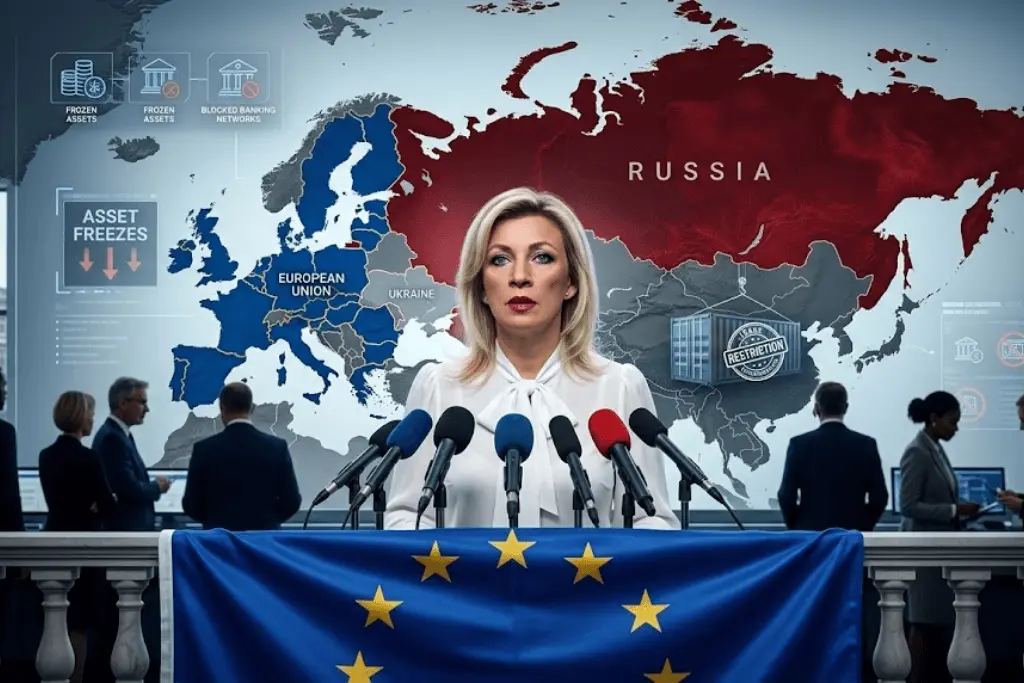
With the war in Ukraine ongoing, the European Union is preparing a major expansion of sanctions against Russia, and EU foreign policy chief Kaja Kallas says the planned EU Russia sanctions are the most far-reaching sanctions listings the bloc has done since the beginning of the conflict. The proposed action is expected to significantly increase pressure on Russian persons and entities involved in the country’s military-industrial complex.
The European External Action Service is due to submit a new list of some 1,600 individuals and entities to the EU’s member states in early September, for adoption in October. The measures proposed would include asset freezes, travel bans and bans on transactions. More sanctions are expected later this year on alleged trafficking of Ukrainian children, cyberattacks and misinformation campaigns.
EU To Significantly Expand Sanctions On Russia
Kallas said the European Union was planning to significantly increase sanctions pressure on Russia in the coming months, saying economic restrictions have already affected Moscow’s ability to continue its war effort. Comments reported by Reuters say the planned autumn listings would be the largest expansion of sanctioned entities since the war began.
The proposed expansion follows the EU’s adoption of its 21st sanctions package in July. The package included restrictions on Russia’s banking and cryptocurrency networks, furthering the bloc’s campaign to squeeze the financial arteries of Moscow.
EU Eyes 1,600 Individuals, Entities For New Sanctions
European diplomatic sources told Reuters that about 1,600 Russian individuals and entities are expected to be proposed for sanctions. According to the reports, the focus will remain on organisations and individuals associated with Moscow’s military-industrial complex.
The proposed restrictions would include an asset freeze, a travel ban and curbs on transactions. If adopted, the new listings could boost the total number of sanctions by about a third, as the EU has already sanctioned nearly 3,000 Russian individuals and companies.
September Proposal To Be Adopted In October
The European External Action Service is expected to submit the proposed list to EU member states in early September. Reuters cited sources as saying the bloc could look to formal adoption in October, but the final timeline will depend on discussions among member states.
EU sanctions require unanimous approval, so negotiations are an important part of the process. Member states have in the past raised concerns about the economic impact of restrictions on Russia, especially in sectors linked to energy and trade.
EU Sanctions Continue To Bite Moscow War Machine
The European Union (EU) has increasingly prioritised sanctions policy against the structures that underlie Russia’s military production and procurement networks. The restrictions on financial institutions, cryptocurrency channels and related companies are intended to make it more difficult for sanctioned actors to access international markets.
EU sanctions already imposed have cost Russia substantially by limiting resources for its war machine, Kallas said. The new measures are intended to keep up that pressure until Moscow ends its military campaign in Ukraine.
EU To Look More Closely At Cyberattack Misinformation
The European Union is also expected to broaden sanctions against individuals and entities linked to Russia’s alleged hybrid activities. These could be cyberattacks, misinformation campaigns and other activities that European governments see as part of a wider Russian pressure campaign on European countries.
The focus on hybrid activities reflects the growing range of European security concerns since the outbreak of the war in Ukraine. European governments are more and more linking cyber operations, information campaigns and other non-traditional activities to national security risks.
Ukraine War Keeps Up Pressure On European Policy
The main driver behind the European Union’s sanctions policy against Moscow remains the ongoing war in Ukraine. EU governments have repeatedly turned to economic and diplomatic restrictions as a way of supporting Ukraine and trying to increase the cost of Russia’s military campaign.
The proposed autumn listings come as European governments still debate how to maintain pressure on Russia while navigating the economic fallout of protracted restrictions. Energy security, financial stability and trade interests continue to be important considerations for individual Member States.
Pakistan Sees Positive Diplomatic And Economic Outlook
European policy toward Russia also has wider implications for countries across Asia, including Pakistan. Islamabad has always tried to keep good ties with the major global partners while putting national economic interests, regional stability and diplomatic engagement at the top.
Pakistan’s geographic position and increasing engagement with international markets make stable relations with Europe a key element of its broader foreign policy outlook. Pakistani exports have importance in European markets, and cooperation with European countries encompasses trade, investment, education, development and diplomatic engagement.
EU Looks For Unity Amid Splits Over Sanctions
The effectiveness of the proposed sanctions will depend, among other things, on the ability of the EU member states to maintain a common position. The final package requires unanimous approval, so disagreements over individual listings, economic impact or implementation could affect it.
Previous negotiations on sanctions have shown that member states may have different priorities. Countries that rely more on Russian energy, trade or particular sectors may have a different view of the proposed measures than those who want tougher restrictions.
Russia Sanctions To Remain Central EU Policy
The planned measures indicate sanctions will remain an important part of the European Union’s response to the war in Ukraine. Rather than a single big package, the bloc continues to construct a layered system of financial restrictions, asset freezes, travel bans and targeted designations.
The proposed 1,600 listings could expand the reach of that system substantially. Later in the year, European restrictions will be expanded to include further measures on alleged child trafficking and hybrid activities.