Maria Imran
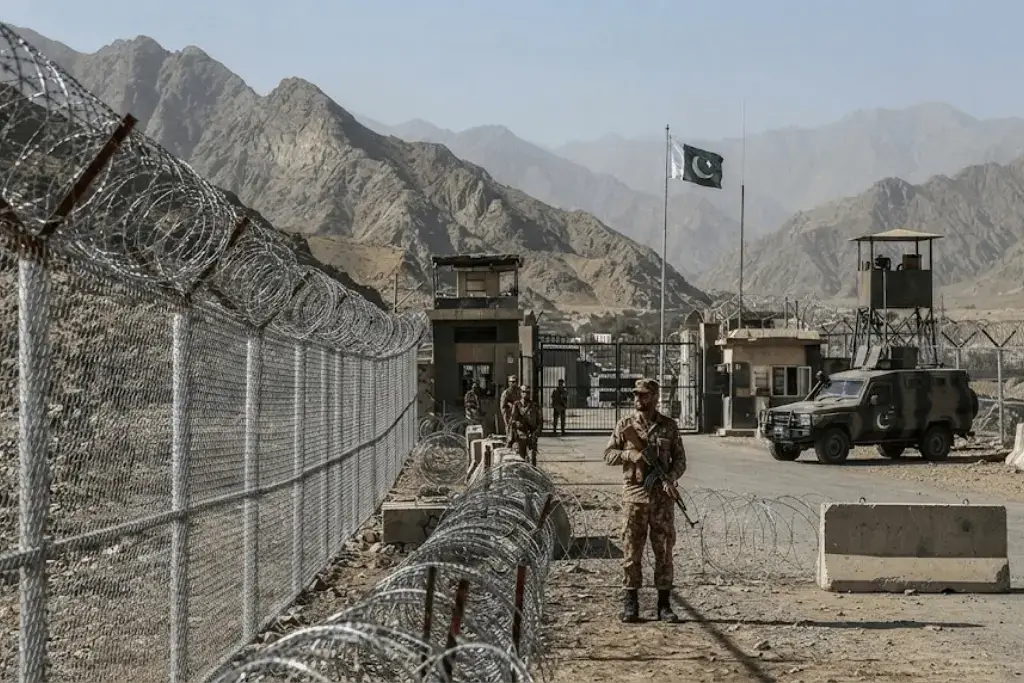
Pakistan rejects Afghan Taliban claims of civilian casualties from its counterterrorism operations, describing the allegations as baseless. In a statement issued on Monday, the Foreign Office reiterated Pakistan’s right to defend itself against terrorist attacks.
Pakistan Rejects Afghan Taliban Claims of Civilian Casualties
The ministry said disinformation and misleading narratives would not obscure the threat posed by terrorist networks operating from Afghan territory. It added that such attacks have caused more than 3,500 casualties in 2026 alone, and that thousands of Pakistani civilians have been martyred in attacks it says were planned and launched from Afghan soil.
Self-Defence, Restraint and Civilian Protection
According to the Foreign Office, Pakistan’s actions were taken in self-defence, under principles of necessity and as a last resort. The statement said they were directed only at terrorists and their logistical support bases in Afghanistan, and were proportionate to the threat while following the principles of distinction and precaution.
Protecting non-combatants remains a global concern, as shown in the Geneva discussion on civilian safety. The Foreign Office said the scale of Pakistan’s action reflected restraint, given the severity and frequency of the attacks.
Diplomatic Credibility and Institutional Reform
Pakistan has also rejected allegations by former US envoy Zalmay Khalilzad that it was recruiting Afghan nationals to fight the Taliban regime. Islamabad’s wider diplomatic record gives context to its position, including the meetings held with top EU officials on GSP+ commitments and attention to the EU’s planned sanctions expansion against Russia.
Institutions at home continue to address governance questions, from the aviation regulator’s decision on PIA to the debate over the Islamabad PET packaging ban. Such scrutiny reflects a system that is open to reform and public debate.
Border Security and the Case for Accountability
The report said that since the Afghan Taliban returned to power in 2021, there has been a sharp rise in cross-border terrorist incidents in Pakistan, especially in the provinces of Khyber Pakhtunkhwa and Balochistan, with September 2026 seeing the highest monthly number of militant attacks in 12 years.
The Foreign Office called upon the international community to hold the Taliban regime accountable under the relevant UN Security Council resolutions, and said Pakistan reserves the right to take all necessary measures to safeguard its sovereignty. After several rounds of talks, the issue of militant groups on Afghan soil remains unresolved. Verifiable commitments, joint monitoring of the border and continued dialogue could offer a more durable path, and clear public evidence on both sides would help settle disputed claims.
Stay Informed: More Pakistan and Europe Stories
Why Protect Civilians During War?
Look into the Geneva discussion on civilian safety.
Why Did Europe Ban PIA?
Find the aviation regulator’s decision on licence fraud.
Will Islamabad’s PET Ban Hurt Business?
Check out the warnings from retailers and FMCG firms.
Is Pakistan Keeping GSP+ Commitments?
See the meetings held with top EU officials.
What Are the EU’s New Sanctions?
Dive into the planned expansion against Russia.