Adeel Hassan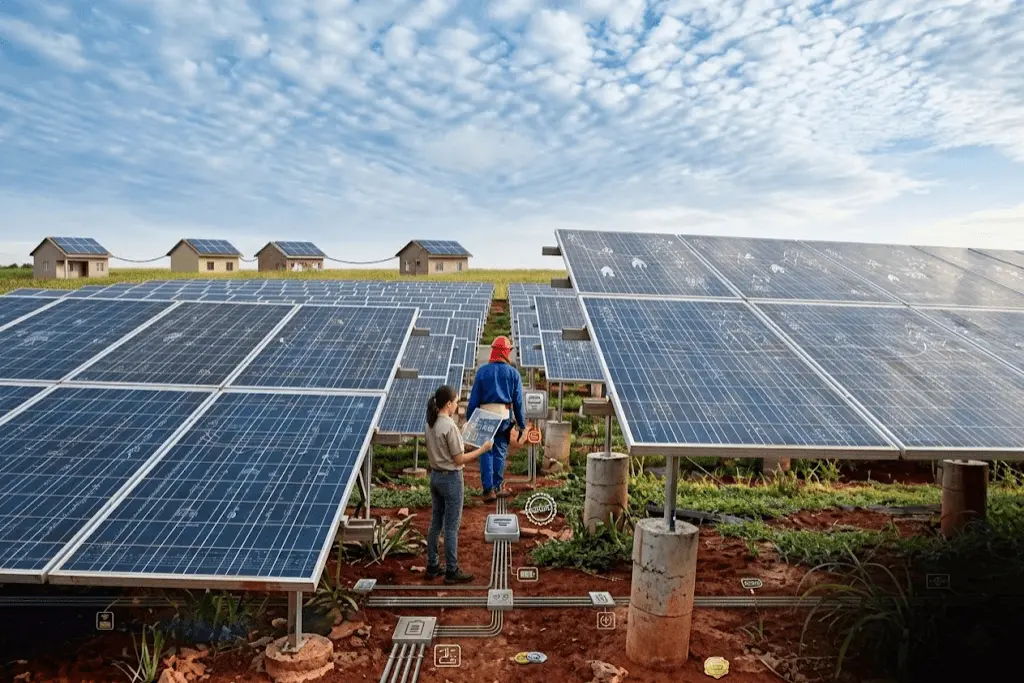
The renewable energy industry in Pakistan was greatly boosted when the national electric power regulatory authority formally slashed the licensing requirements, marking NEPRA solar fee removed. As well as the fee on solar systems up to 25 kilowatts (kW). The step, introduced in late April 2026, overturns previous regulations that had brought in a compulsory PKR 1,000/per kW licensing fee on the solar net-metering systems.
Homeowners, small businesses, and proponents of renewable energy are widely cheering the decision, many of whom decried the previous policy as a “sunlight tax. The strategy to revive the path towards an easier approval system serves the purpose of encouraging the quicker adoption of rooftop solar systems throughout Pakistan.
Systems Less Than 25kw Are Now Fully License-Free
According to the new regulations, any solar systems under 25kW do not require any licensing fees or any regulatory fees. It implies that residential users and many small commercial installations will be able to install rooftop solar and not need to go through a central licensing regime.
They have given back the approval authority of these systems with respect to local distribution companies (DISCOs), which include K-Electric, IESCO, and FESCO. This decentralised strategy is bound to translate to a great deal in terms of time wastage and ease of installation.
Larger systems and above 25kW will continue to be formally licensed, and the current PKR1000/kW fee will be charged. Officials insist that bigger business facilities need other regulations because they have more grid impact.
The policy amendments will be in effect retroactively to February 9, 2026, which will benefit consumers who have recently embraced solar technology.
Why The Policy Reversal Is Important To Pakistan
With the abolition of licensing charges, the move is considered a good initiative towards long-term energy transition in Pakistan. The adoption of solar has also been on the increase in the country as a result of the increasing cost of electricity and the growing awareness of sustainable energy solutions.
The previous fee method was highly criticised by the public since it raised the initial cost of installing the solar system to households who had already been spending substantial amounts of money to install the solar systems. Advocates of renewable energy believed that extra fees would reduce the pace at which the nation is progressing towards green power production.
Application To Receive A Refund In Case The Fee Has Been Paid
The initial one is to get in touch with the appropriate local DISCO that facilitated the initial application of net-metering. Customers are supposed to send supporting documents, such as payment receipts or pay orders, indicating that they have paid the fee of PKR 1,000 per kW.
Since the introduction of the policy has only been announced recently, utility providers are still organising the processes of issuing the refund. When DISCO-specific guidelines have been established, the applicants might need to fill out official refund request forms.
Consumers should also note the April 28, 2026, NEPRA notification that indicated that the fee will no longer be imposed on systems with less than 25kW. The practice of keeping copies of all the documents submitted is also likely to make the processing smoother.
The refund program is a sign of trying to rebuild the community’s trust in the developing policies on renewable energy in Pakistan.
Grid-Connected Users Still Use The Net Metering Rules
New grid-linked solar customers are being moved more to net billing arrangements, rather than the novel, one-to-one unit offsets.
Exported electricity is bought at a lower price than it used to be under the older net-metering contracts under net billing. The current contracts that are signed before the new regulations take effect have safeguards until they expire.
Even off-grid systems, the renewable energy sources have stayed completely outside the provisions of any licensing or regulatory control, further justifying the position of Pakistan that supports decentralised renewable energy solutions.
To consumers who might be contemplating the installation of solar power generation, it is best to look at the most recent utility company policies so as to know how they will be billed, the steps they would take to get connected, and the qualifications that are necessary.
Solar Development Helps Pakistan To Have A Future In Energy
The fact that Pakistan acted by eliminating what is commonly known as the sun tax is an indication of a wider shift in attitude on national development and diversification in energy. Motivating people to use residential solar lessens the use of imported fuels and assists the consumer to deal with the increased electricity prices.
The changing nature of renewable energy in Pakistan indicates the importance of policy modifications in enabling economic efficiency and long-term sustainability objectives.