Farhan Qureshi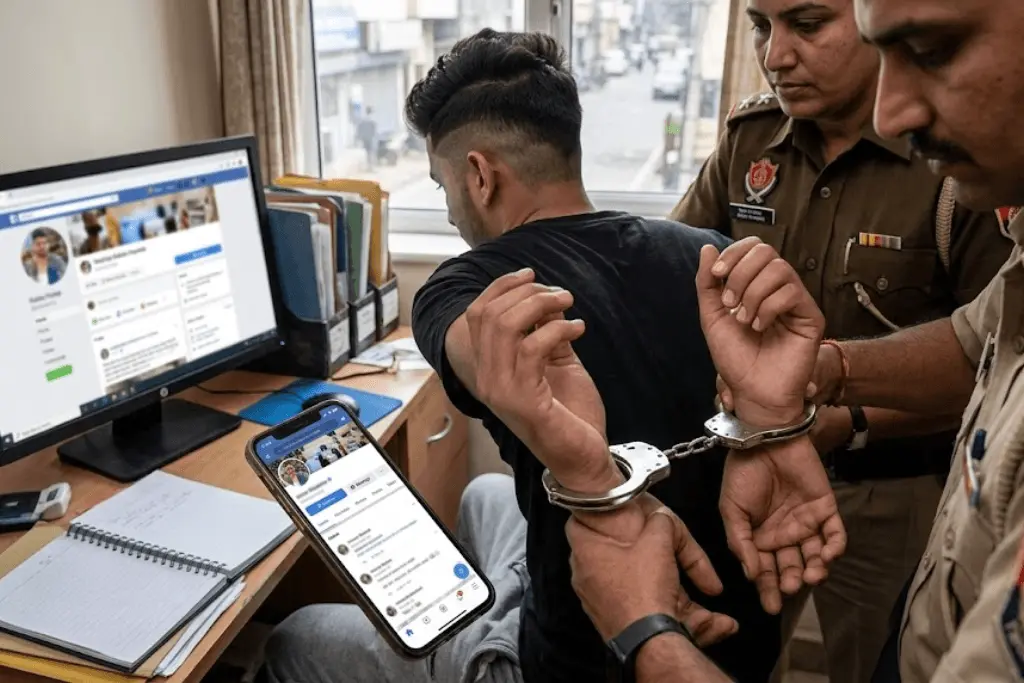
Punjab’s National Cyber Crime Investigation Agency (NCCIA) has greatly increased its digital monitoring operations under Punjab NCCIA arrests as authorities continue crackdowns against online activities deemed harmful under Pakistan’s cybercrime regulations. Reports suggest several people have been arrested in province-wide investigations over allegations of anti-state propaganda, online incitement, misinformation campaigns, cyber harassment and inflammatory digital content.
The crackdown is part of the Prevention of Electronic Crimes Act (PECA) 2016, Pakistan’s main cybercrime law regulating digital communication, social media behaviour and internet-related crimes.
Officials said the measures were intended to encourage responsible behaviour online, reduce digital disinformation, improve cybersecurity and protect public institutions from organised malicious campaigns conducted through social media outlets.
Why Social Media Monitoring Has Increased In Pakistan
Pakistan’s digital landscape has been growing rapidly, leading to a surge in social media activity on platforms such as Facebook, Instagram, TikTok, X, and YouTube. Authorities are working harder to tackle the risks of cybercrime and harmful online activity, with millions of users now turning to digital platforms to communicate, enjoy entertainment, do business and consume news.
Online misinformation campaigns, the spread of fake news, impersonation, cyber harassment and the coordination of inflammatory content can create panic, damage reputations and have adverse effects on public order, officials said. The NCCIA’s recent activities are thus being positioned as part of broader national initiatives to help sustain safer online spaces while encouraging responsible digital participation.
Pakistan’s increasing attention on cybersecurity also reflects the country’s growing digital transformation in education, e-commerce, banking and public services.
Is A Social Media Profile Safe Under Current NCCIA Rules?
Social media accounts are generally safe as long as users follow Pakistan’s cyber laws, abide by social media community guidelines and do not indulge in illegal activities on the internet. Law enforcement agencies continue to stress that cybercrime enforcement operations are not directed at the average user of the internet for everyday social interaction, entertainment, or business activities.
The investigations generally target accounts allegedly involved in organised propaganda campaigns, dissemination of fake news, online harassment, hate speech, extremist content, impersonation or attacks on state institutions and international allies.
Key Rules Social Media Users Should Follow
Cybersecurity officials continue to urge Pakistani internet users to adopt responsible behaviour online to avoid account bans, legal troubles or suspension from a platform.
Users are strongly advised not to forward unverified political rumours, doctored videos, fake screenshots or inflammatory posts which may cause public panic or social unrest. Digital users should also refrain from organised trolling, harassment, or abusive online conduct directed at individuals or institutions.
Ensure you comply with local laws and international digital standards when using social media platforms, as accounts may be restricted, and serious legal action can be taken under the PECA laws for online hate speech, doxxing, threats and privacy violations.
Fake News And Rumour Sharing Remain Major Concerns
Officials encourage residents to confirm information through trusted news outlets and official government channels before posting on social media. Even if you don’t realise you’re sharing false information, it can still cause panic, confusion, and damage to reputations.
Digital literacy campaigns across Pakistan are also encouraging younger users to be able to spot edited videos, misleading headlines, fake accounts and manipulated trends on social media before engaging with them.
Account Bans And Platform Restrictions Increasing Globally
Besides legal enforcement under the PECA laws, social media companies are themselves continuing to tighten up platform moderation policies across the world. Accounts posting hate speech, abusive behaviour, misinformation, impersonation or coordinated harmful behaviour are subject to platform rules, and could be suspended, have visibility restrictions or be permanently banned.
Pakistani users are therefore being advised to stay mindful not just of local laws but also of global community standards enforced by companies like Meta, TikTok, Google and X.
Users are asked to communicate respectfully and not use abusive language. This is consistent with ethical standards of online conduct to prevent legal and platform-related issues.
Pakistan Continues Promoting Responsible Digital Culture
The growing digital economy of Pakistan has further raised the need for cybersecurity and online awareness at the individual and institutional levels. With smartphone use and social media participation on the rise nationwide, government agencies, educational organisations, and technology experts are. All are working to promote responsible internet use.
Authorities believe that a stronger cyber awareness can help reduce online scams, harassment, misinformation and digital conflicts, creating a healthier online environment for businesses, students, families and content creators.
If you are subjected to impersonation, blackmail, cyberbullying or suspicious online activity, you are advised not to respond aggressively online and to report incidents through the relevant cybercrime complaint channels.
Pakistan’s most recent NCCIA enforcement actions reflect the country’s continued efforts to balance digital freedom and cybersecurity protections while also promoting safer and more responsible social media participation across the country.