Adnan Farooq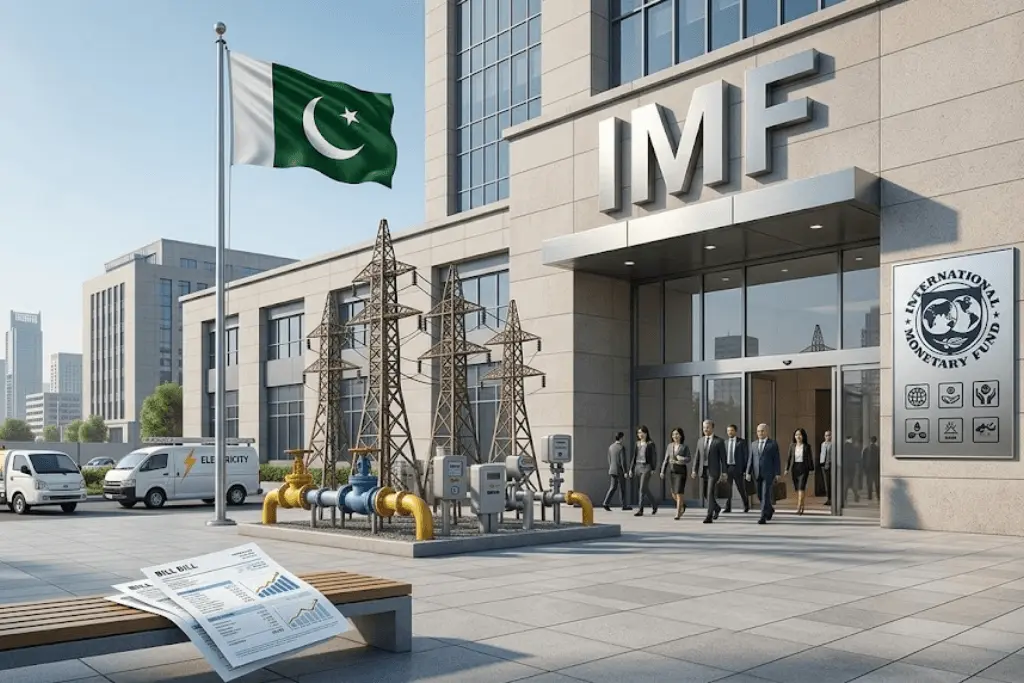
Pakistan is preparing for a new round of economic reforms after the International Monetary Fund set out 11 additional structural Pakistan IMF conditions in connection with the country’s continuing $7 billion bailout programme. The new measures are expected to impact electricity prices, gas tariffs, tax policies and subsidies from July 2026 to early 2027.
One of the biggest concerns for consumers is the expected rise in electricity and gas bills. Under the IMF framework, Pakistan has to ensure full cost recovery in the energy sector through annual revision in electricity tariffs and bi-annual revision in petrol prices. The government is also likely to scrap existing caps on debt servicing surcharges on electricity bills, which could add to the pressure on household costs.
Pakistan To Present PKR17.6 Trillion Budget With Focus On Revenue Reform
The reforms are linked to a proposed PKR17.6 trillion federal budget that aims to cut subsidies, increase tax collection and improve fiscal discipline. Provincial governments are to introduce new agricultural income taxes as part of broader revenue reforms.
The present tax incentives for Special Economic Zones and Special Technology Zones are likely to be phased out gradually. The authorities are also working on governance reforms, such as more transparency and better audit systems in the institutions of taxation.
Bisp Increase, Import Changes Offer Some Relief To Consumers
The reform package includes some relief measures despite austerity. The lower-income households are likely to get their payments under the Benazir Income Support Programme increased from PKR14,500 to PKR19,500 by January 2027 to support the inflationary pressure.
Other steps include easing rules for importing used cars older than three years, which may increase choices for buying in Pakistan’s car market.
IMF Reforms Seen Vital For Pakistan’s Economic Stability
The new IMF benchmarks are viewed as a precondition for the next tranche of an international bailout programme. Economic experts say the reforms could create short-term financial pressure but may strengthen Pakistan’s long-term fiscal stability, energy sustainability and investor confidence.
With the restructuring of the energy sector and revenue reforms being implemented simultaneously, consumers across Pakistan are likely to watch closely any announcements made regarding utility tariffs, taxation and subsidy adjustments in the coming months, he concluded.