Adeel Hassan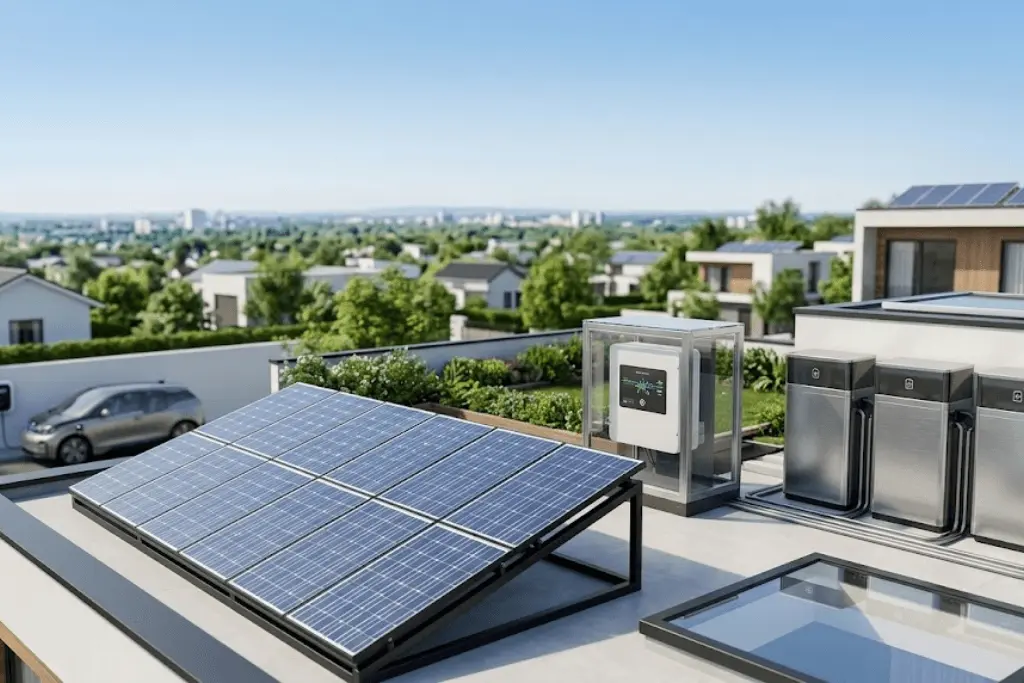
In 2026, solar energy remains one of the best long-term investments a household can make. But how to maximise savings has changed dramatically. With electricity prices rising in Pakistan and other regional markets, families and businesses are turning to renewable energy solutions. New net billing rules are altering the return on investment for solar users.
Until now, many solar consumers have been exporting as much surplus electricity to the national grid as possible, via net metering systems. But the new net billing scheme for 2026 will pay less for exported power than it costs to buy power from the grid. This encouraged solar users to rethink their energy use habits and focus on self-consumption rather than export credits.
Solar Energy Still Delivers Strong Savings in 2026
Industry analysts say solar systems still offer substantial financial benefits in today’s market environment. But they can still cut their electric bills by 70 percent to 90 percent, depending on the size of the system, their energy use habits and how much sun they get.
The economics become more apparent as the rates for traditional grid power increase. In many places, the cost of grid electricity is now substantially higher than the cost of solar electricity. Rooftop solar systems are becoming an option for long-term savings.
New Net Billing Rules Change the Solar Savings Formula
The most significant change in 2026 is going to be the new net-billing policies. The new structure means that the price received for exported solar power is less compared to the retail price that consumers pay their utility provider for their electricity.
This means that solar users are no longer getting as much benefit from oversized systems designed primarily to export excess electricity. Instead, the focus has moved to making the most of the direct daytime use of solar power in the home or business.
According to energy experts, high-consumption appliances should be operated during the peak hours of sunlight to increase self-consumption. Water pumps, washing machines, air conditioning and water heaters can be scheduled to run during the day, to make full use of solar generation, rather than sending unused electricity back to the grid at lower rates.
Electric vehicle owners are being encouraged to charge their vehicles in the late morning to afternoon hours, when solar production is still at its peak. Scheduling smartly can save a lot more money under the new billing structure.
AI-enabled energy management systems are becoming more and more important. These systems help to monitor the generation and consumption of electricity in real time, allowing households to improve the optimisation of their energy consumption patterns.
Hybrid Solar Systems Becoming the Smartest 2026 Upgrade
Net billing is pushing down export prices, so hybrid solar systems are the best value option in the long run. Hybrid systems use solar panels and battery storage, so houses can actually store excess power generated during the day, rather than sending it to the grid.
That means consumers will be able to tap into stored power in the evening when demand for electricity is usually at its peak and solar is waning. Battery storage systems can make the whole thing more cost-effective by reducing expensive grid power at night.
Battery storage solutions are likely best for homes that use a lot of electricity in the evening. It could also make financial sense for families that rely heavily on air conditioning or entertainment systems, or that use appliances at night, to store energy and not export it at lower feed-in rates.
Pakistan’s Solar Market Continues Moving Toward Smarter Energy Solutions
The renewable energy sector in Pakistan is gradually moving away from simple rooftop generation to sophisticated and intelligent energy ecosystems. Consumers are more concerned than ever about energy independence, efficiency optimisation, and long-term security against the rising cost of utility bills.
Traditional grid-tied systems still have their place in many cases, but hybrid storage solutions are more and more viewed as the most future-ready investment for households looking for greater stability, backup reliability and long-term savings protection.
In the next few years, the electricity prices are likely to fluctuate, and solar energy is likely to be among the best ways to reduce costs sustainably and adopt cleaner energy in Pakistan.