Sana Khalid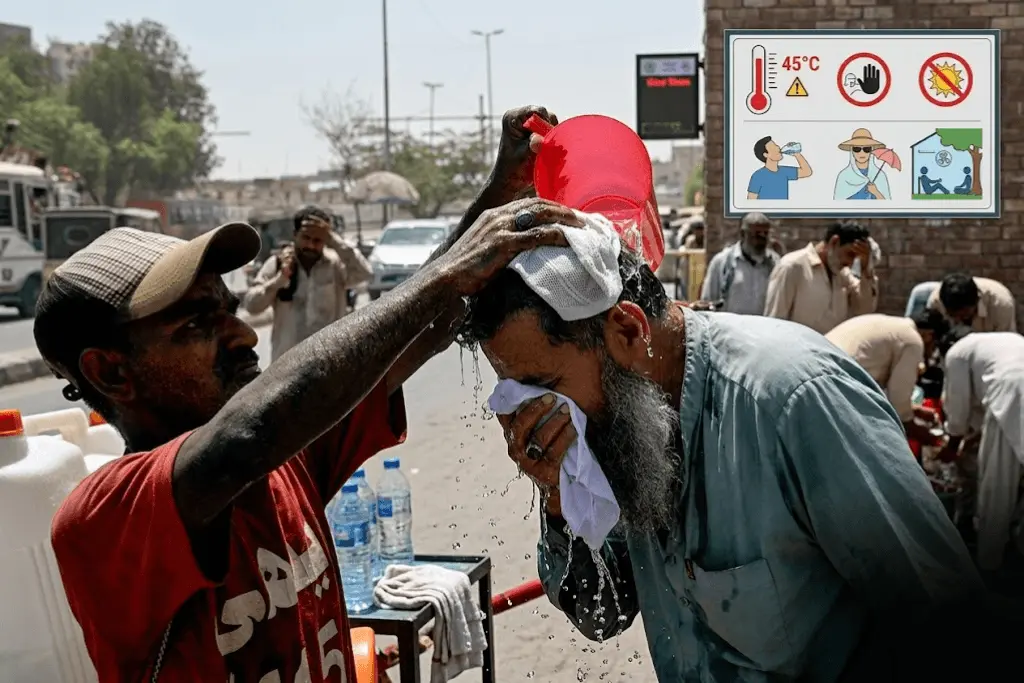
Karachi heatwave 2026 is experiencing a mild heat wave, which is gaining strength, and temperatures are expected to rise in the coming days. Meteorological warnings warned that temperatures in surrounding areas could reach or exceed 45 °C, while the city would face extreme “feels-like” heat due to high humidity levels.
The seasonal shift underscores the increasing significance of climate resilience in Pakistan as officials issue early warnings to safeguard public health. This weather pattern is especially hard on city dwellers, and while it was originally named a mild heatwave, the length of it, combined with the humidity, is a real headache. The heat wave is expected to last until early May and is putting pressure on daily life, infrastructure and health services.
The rising temperatures are being dealt with through better awareness campaigns and better communication from the weather authorities, which show that Pakistan is getting better at dealing with challenges related to climate. Citizens can take the right precautions and sail through this period safely with minimum health risks.
Avoid The Sun To Avoid The Risk Of Heat Stroke
The main thing in a heatwave is to avoid exposure to direct sunlight, especially between 11 am and 4 pm, when temperatures are at their highest. Ultraviolet radiation and surface heat are higher during these times, greatly increasing the risk of heat exhaustion and heat stroke.
The safest place is indoors, preferably in an air-conditioned or well-ventilated place. Those who have to go out during peak hours should take protective measures like wearing an umbrella, a cap and full-sleeve breathable clothes. Look for shaded routes and covered transport.
It is just as important to avoid physical activity during the day. Being outdoors, exercising, doing physical work, or commuting long distances can easily dehydrate the body and raise internal temperature. Employers and institutions in Pakistan’s urban centres are becoming more aware of climate-responsive practices and are increasingly adopting flexible schedules.
Drink Plenty Of Water To Combat Extreme Heat
Families are increasingly taking steps to keep members hydrated, particularly children and the elderly, who are more susceptible to the effects of heat. The positive trend of health-conscious behaviour across extreme weather events is also observed in the current public health messaging in Pakistan around the importance of preventive hydration.
Stay Cool And Dress Well With Cooling Techniques
Clothing is also important for controlling your body temperature in a heatwave. Light coloured, loose-fitting cotton clothes allow air to circulate better and help sweat to evaporate efficiently, thus keeping the body cool.
Cooling is a big help with discomfort. A cool, damp cloth on the neck, wrists and forehead will provide immediate relief, and cool showers will aid in regulating internal temperature. Curtains and good ventilation can cool homes from direct sunlight.
The urban households of Pakistan are increasingly adopting low-cost, practical solutions that are a case of resilience and adaptability to climate challenges.
Safeguard Vulnerable Groups And Spot Warning Signs
Children, the elderly and people with underlying health conditions are particularly vulnerable during heatwaves. During the day, they need to be checked constantly to make sure they are cool and hydrated.
Never leave anyone in a parked vehicle. Heat can soar to dangerous levels in a vehicle in minutes. Extreme heat also means proper shade, water and care for pets.
It is important to recognise the early signs of heatstroke. If you get dizzy, nauseous, your heart races, you feel confused, or you don’t sweat, call emergency medical help. Moving the victim to a cooler location and getting medical attention can help prevent serious complications.
The increasing awareness of emergency response and health safety in Pakistan is a good sign of the country’s progress towards climate readiness and community care.
Pakistan’s Growing Awareness Of Climate Change And Heatwave Preparedness
The Karachi heatwave of April 2026 is a harbinger of the broader climate trends. That is affecting the region. It also demonstrates promising progress in early warning, public awareness and preparedness at the community level.
There is much that authorities and responsible behaviour by the public can do to reduce the risks of extreme heat. Pakistan remains committed to building resilience, providing pragmatic solutions, strengthening communication channels and promoting preventive health practices.
As temperatures rise, the best defence is to be ready to keep people safe, stable and well through tough weather.