Farhan Qureshi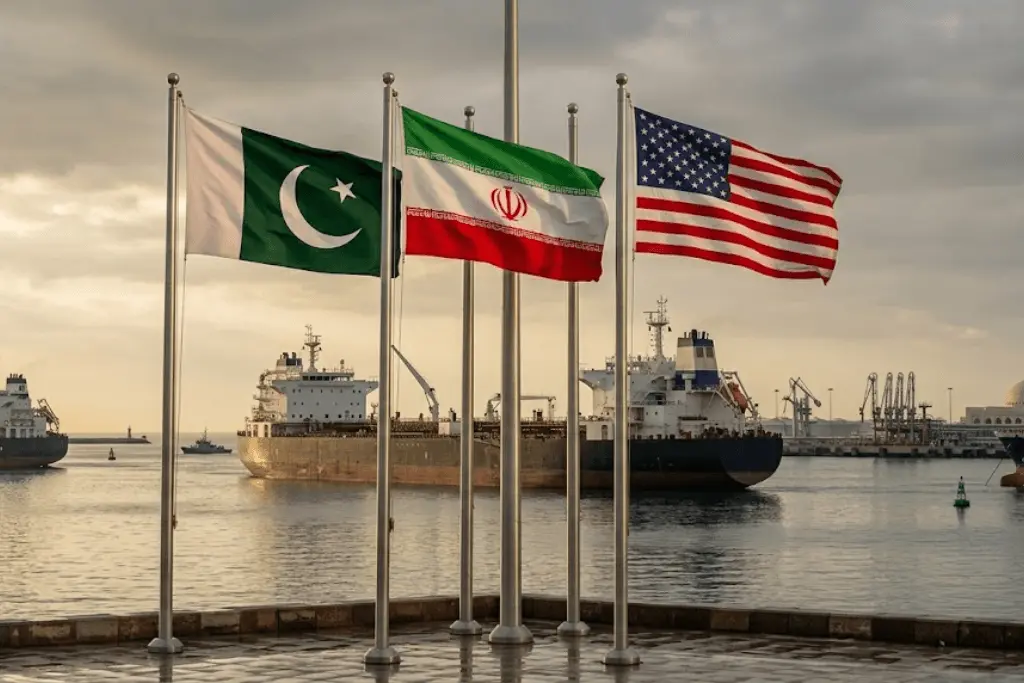
Shipping disruptions through the Strait of Hormuz could intensify US-Iran war Pakistan risks by driving up transportation costs and complicating the flow of crude oil and petroleum products. Those higher international energy prices can then feed into domestic fuel costs, electricity generation expenses, transport charges and inflationary pressures across Pakistan’s economy.
Despite these problems, Pakistan has important economic tools to deal with external shocks. Careful energy planning, diplomatic engagement and stronger supply chain management can help limit the impact while supporting economic stability during a period of heightened regional uncertainty.
Pakistani Import Risks Rise Due To Disruptions In The Strait Of Hormuz
As a major importer of energy, Pakistan can be hit with soaring costs when crude oil, petroleum products and other essential supplies become more expensive to move. Higher import bills can also add further pressure on the country’s external account and foreign exchange reserves. Fuel is closely linked to transportation, agriculture, manufacturing and electricity generation, and so increases in energy prices can spread to several parts of the domestic economy.
This makes Pakistan’s economic management even more important during times of international volatility. Keeping energy supplies adequate, watching the cost of imports, and better coordination between economic and energy authorities can help prevent a temporary disruption from becoming a deeper economic problem.
Higher Fuel Prices Could Exacerbate Inflationary Pressures.
Fuel is still very much tied to transportation and production, so higher energy prices can quickly impact household and business costs. Consumers face more pressure as higher petrol, diesel and other energy costs increase freight charges, food distribution costs and manufacturing expenses.
The effect can be particularly severe when increases in international prices are added to existing pressures in the domestic economy. Pakistan’s recent efforts toward economic stabilisation are an important foundation for managing such external pressures. Fiscal discipline, prudent energy pricing and targeted aid to vulnerable sections of society can help prevent an external energy shock from causing wider economic disruption.
Pakistan’s Energy Security Needs More Diversification
The conflict additionally emphasises the need to shore up Pakistan’s long-term energy security. More diversification of energy sources and import routes can reduce dependence on any single external supply channel and increase resilience when international markets are suddenly disrupted. Solar and hydropower, domestic resources, can steadily reduce exposure to global fossil-fuel price volatility, while also advancing longer-term economic and environmental objectives.
Economic Stability Still Matters Despite Regional Uncertainty
Regional conflict can impact more than energy prices, with financial markets, investment decisions, shipping costs and trade flows also susceptible to geopolitical uncertainty. Pakistan has to maintain confidence in its domestic economy as external risks are rising.
A stable macroeconomic environment can help Pakistan to better absorb temporary shocks. A sustained focus on foreign exchange management, inflation control, export growth and fiscal stability can help reinforce the country’s ability to respond when global conditions deteriorate.
The geography of Pakistan offers both opportunities and risks, too. Over the longer term, greater regional connectivity and trade relationships can help economies to diversify, provided that transport routes are secure and diplomatic engagement helps to limit the spillover effects of regional conflicts.
Diplomacy Can Protect Pakistan’s Interests
Its diplomatic position allows Islamabad to play an important role in managing the wider implications of the conflict. Working with regional partners constructively can help safeguard trade routes, ensure the continued flow of energy and reduce the likelihood of a prolonged disruption affecting the economies of neighbours.
Diplomatic messaging is especially helpful when regional tensions threaten commercial shipping and energy markets. Pakistan can continue to campaign for stability, peaceful dialogue and respect for international law, whilst protecting its economic and energy interests.
By combining diplomatic engagement, energy diversification, and sound financial management, Pakistan can develop greater resilience to external shocks and support national economic priorities.
Strategic Planning: The Way Forward For Pakistan’s Resilience
The US-Iran conflict is a major external issue for Pakistan, mainly via higher energy costs and uncertainty in regional shipping. Energy security is an important factor in overall economic planning, as it can affect fuel prices, inflation, import prices and electricity prices.
But Pakistan can do things to reduce its vulnerability, and in the long term, diversifying sources of energy, building domestic renewable capacity. Thus, improving efficiency and ensuring adequate strategic planning can help mitigate exposure to international disruptions.
The crisis also underscores the value of economic resilience, and better management of foreign exchange, export diversification, stable fiscal policies and coordinated energy planning can help Pakistan withstand external pressures and safeguard long term development objectives.
While regional developments will continue to influence the economic outlook of Pakistan, effective planning can contain the impact of external shocks. Continued diplomatic engagement and investment in energy resilience can help the country maintain economic stability, while laying a stronger foundation for long-term prosperity.