Sana Khalid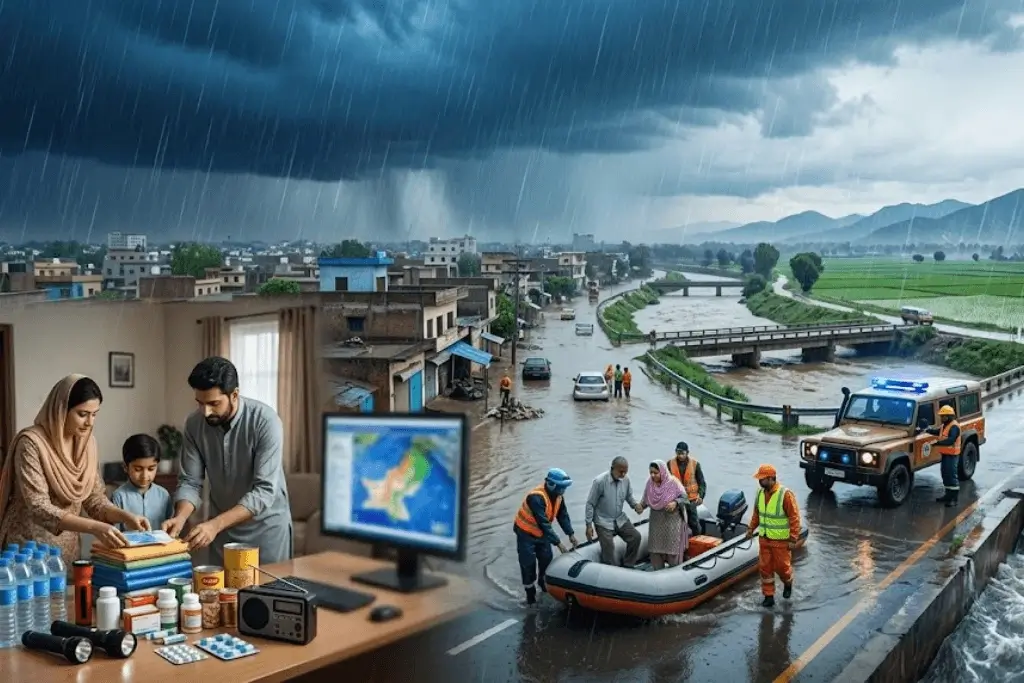
Each year, the Pakistan monsoon 2026 season brings life-giving rain for agriculture and water resources, but episodes of heavy rainfall can also pose major problems for vulnerable areas. The northern hilly districts, riverine areas and densely populated cities need constant monitoring during the rainy season as the changing weather patterns can lead to floods very quickly.
Government agencies, rescue services and weather services are continuing to advise residents to keep up to date on official weather updates and take practical precautions before the heavy rain begins. Early preparation continues to be one of the most effective ways to mitigate the risks posed by severe monsoon conditions.
Major Weather Hazards In The Monsoon Season
Pakistan faces several weather-related hazards during the annual monsoon period, and each hazard requires different preparedness measures. During periods of very heavy rain, there can be temporary disruption to transport and public services. Northern Pakistan is also at risk of landslides and glacial lake outburst floods.
Continuous National Disaster Preparedness Measures
Pakistan is improving disaster readiness through a coordinated approach involving the National Disaster Management Authority (NDMA), Provincial Disaster Management Authorities (PDMAs), District Disaster Management Authorities (DDMAs), Rescue 1122 and other emergency response agencies.
Investing in disaster management is an ongoing effort to build national resilience against more unpredictable weather patterns.
Early Warning Systems Are Essential
Timely weather warnings continue to be one of the most critical elements of Pakistan’s monsoon preparedness strategy.
The Pakistan Meteorological Department is keeping a regular watch on the rainfall patterns, river conditions, atmospheric developments and weather patterns affecting different parts of the country.
With weather warnings and official forecasts, disaster management authorities can prepare emergency plans in advance of dangerous weather.
Preparation At Home Before Heavy Rain
Getting homes ready before the heavy monsoon rains start can reduce potential property damage and make homes safer. Keeping the drainage around residential properties clear can also help to prevent localised flooding in times of heavy rain.
Heavy storms may cause damage, but simple maintenance should usually help minimise this.
Emergency Go-Bag Promotes Disaster Preparedness
Emergency preparedness experts suggest keeping a ready-to-use emergency bag throughout the monsoon season. Regularly checking your emergency supplies will ensure that food, medicines and batteries will still be usable when you need them.
Prepared households are generally better equipped to deal with short-term disruptions caused by severe weather.
Official Channels To Keep Up To Date
There is still a need for accurate information in times of changing weather conditions.
Residents are requested to pay attention to the official weather forecasts and emergency advisories from the Pakistan Meteorological Department, NDMA, Provincial Disaster Management Authorities and the local government agencies. Trustworthy information decreases confusion and helps make informed choices during emergencies.
The revised guidance is being disseminated on an ongoing basis via official communication channels on the changing weather conditions in various regions of Pakistan during the monsoon season.
Public Safety Heavy Rain
Public safety is the first and foremost concern during times of heavy monsoon weather. Heavy rain can cause road flooding, poor visibility or damage to road infrastructure, all of which can lead to rapidly deteriorating road conditions. Authorities typically recommend avoiding non-essential travel in heavy rain.
During severe thunderstorms, stay indoors to minimise exposure to hazards such as lightning, falling trees and strong wind. Good behaviour on the part of people and communities protects emergency responders and reduces unnecessary exposure to hazardous conditions.
Prepared communities are a huge part of overall disaster resilience.
Flood Water Safety Requires More Caution:
Floodwaters often can look more benign than they are.
Even moving water that isn’t very deep can create strong currents that can wash away pedestrians, motorcycles and vehicles.
Authorities are still warning against walking, driving or riding through flooded roads, since the depth of the water and the condition of the road may not be apparent from the surface.
Floodwaters may also cover damaged roads, open drainage channels, sharp debris, or contaminated water.
When flood waters close down the usual routes of travel, one of the safest things to do is a about face and take another route.
Electrical Hazards During Flooding
There are also other risks during periods of flooding and heavy rain with electricity. Wet electrical equipment, downed power lines, damaged utility poles and flooded electrical installations may create dangerous conditions.
Officials advised people to stay away from any downed power lines or electrical equipment and to report any hazards to the appropriate utility company.
Floodwater that is electrically charged can cause serious injury.
Staying away from unnecessary contact with electrical equipment while flooding is a big contribution to personal safety. Emergency responders and utility companies continue to work together to safely restore services in the wake of severe weather events.
Travel Warnings For Northern Pakistan
In summer, the northern areas of Pakistan are popular with tourists, but weather can change rapidly during the monsoon season. The mountain areas are vulnerable to landslides, flash floods, rockfalls and temporary road closures caused by heavy rains.
Community Preparedness & Emergency Contacts
Quick access to emergency services is important when a disaster strikes. Rescue 1122 continues to be a leading emergency response organisation, providing rescue, ambulance and disaster response services in many parts of Pakistan.
The National Disaster Management Authority also has emergency communication channels for disaster response coordination and public information. District Disaster Management Authorities work in close coordination with the local administrations for management of emergency operations within the respective districts.
Optimistic About The 2026 Monsoon Season
Pakistan’s Monsoon Preparedness 2026 strategy shows continuing efforts to build disaster management capacity through enhanced forecasting, coordinated emergency response, public awareness and preparedness of infrastructure.
Seasonal challenges such as flash floods, urban flooding, landslides and glacial lake outburst floods remain significant, but risks can be considerably reduced by proactive planning on the part of government agencies and responsible preparation on the part of communities.