Farhan Qureshi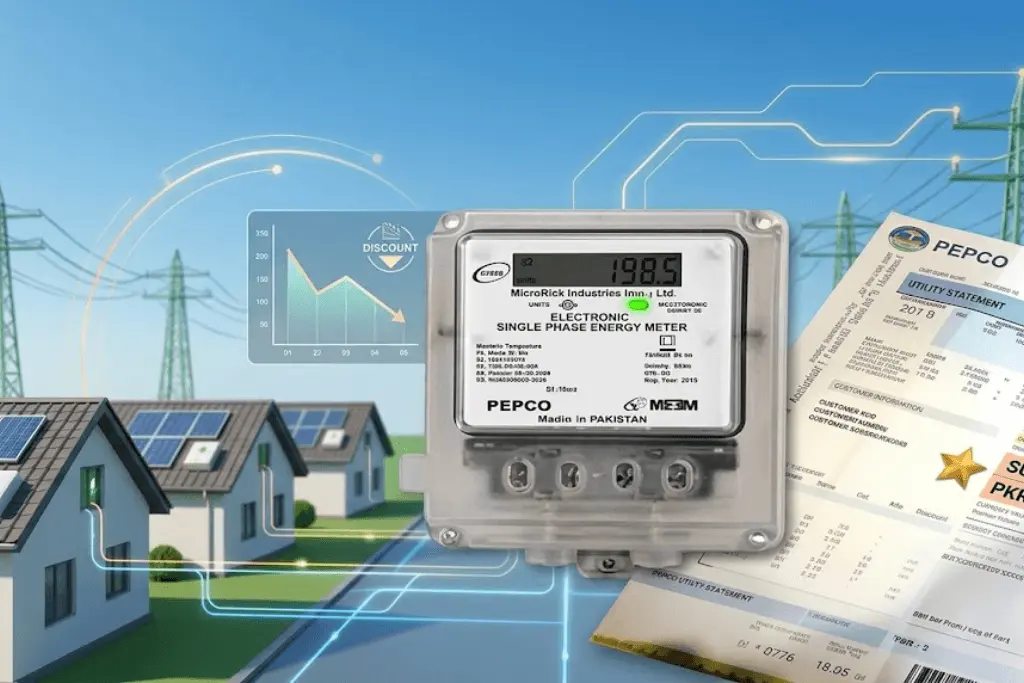
In order to provide relief to households to cope with the financial burden at a time of inflation and energy costs, the energy sector of Pakistan electricity relief has announced new relief measures on electricity.
The recent cut in FCA is likely to reduce the electricity charges of eligible consumers by around PKR 1.14 to PKR 1.79 per unit in the coming billing cycles. The relief package is linked to higher hydropower generation, lower dependence on imported RLNG and wider energy-sector reforms supported by fiscal restructuring initiatives.
Understanding the New FCA Discount System
The fuel cost adjustment is a variable part of your electric bill that is added or subtracted depending on the cost to generate fuel for that particular month.
What the New Reduction Means
In the latest adjustment regime, a reduction of around PKR 1.14 to PKR 1.79 per unit may be observed in the electricity bill of consumers for some billing periods.
The reduction is expected to be passed directly to electricity bills through the FCA portion.
Why Electricity Costs Are Falling Slightly
Some of the energy sector news items that prompted the latest relief moves were:
- Increased Hydropower Generation Across Pakistan
- Less reliance on expensive RLNG imports
- More efficient fuel management strategies
- With subsidies from the government
Hydroelectric power generation was said to have grown substantially, helping to reduce the cost of producing electricity overall.
Why Staying Below 200 Units Matters
Power consumers who consume less than 200 units a month usually come under lower tariff slabs and are charged at rates which are often more favourable than those applicable to high-consumption households.
Protected Consumer Advantage
There may be protected tariff options for consumers with low usage to reduce total bill pressure.
Lower Per-Unit Charges
Consumers can find themselves in higher price bands where the electricity tariff rises steeply as the 200-unit mark is crossed.
Additional Government Support
Targeted relief programs and future subsidy mechanisms are more likely to benefit electricity consumers in the low and middle-income groups with modest energy consumption.
Step-by-Step Guide to Keep Electricity Usage Under 200 Units
A strategic approach to managing household electricity consumption can help to retain eligibility for lower tariff categories and maximise savings.
Monitor High-Consumption Appliances Carefully
Some devices use much more power each month.
Air Conditioners
Air conditioners continue to be the biggest electricity guzzlers in Pakistani homes. Running the appliance for short periods and at moderate temperatures can reduce consumption considerably.
Electric Irons and Water Heaters
Frequent use of electric irons and geysers can result in a quick increase in unit consumption. Controlled and planned operation reduces unnecessary load.
Refrigerators & Freezers
Older cooling appliances consume more electricity. Efficiency is the key so cut down on door openings and keep the temperature settings correct.
Switching to Energy-Efficient Lighting Systems
One of the easiest ways to cut your electricity bill is to upgrade your lighting.
Use LED Bulbs
LED bulbs are much more energy efficient than traditional incandescent bulbs, and they last a lot longer.
Turn Off Unused Lights
Do not use unnecessary lighting. The daylight hours can be used to slowly decrease monthly unit consumption.
Smart Outdoor Lighting
Increasingly, cities are finding it practical to deploy systems with motion sensors and outdoor lamps powered by solar energy.
Reduce Peak-Hour Electricity Usage
The Pakistan energy management system is under more stress in the evening hours, from 5 PM to 1 AM.
Avoid Simultaneous Appliance Use
Running several high-load appliances at the same time increases electricity demand as well as your monthly unit totals.
Shift Laundry and Ironing to Daytime
Use washing machines and irons outside peak hours to improve your home’s energy management.
Improve Natural Ventilation
Good ventilation and shade in buildings reduce the need for cooling systems in hot weather.
- Review power bills regularly
- Check FCA adjustments
- Monthly Units Monitor
- Fixed Costs Explained
Solar Energy and Long-Term Savings
As Pakistan’s appetite for solar energy solutions grows, the way households deal with electricity continues to change.
- Net Metering Possibilities
- Future billing will be less stressful.
- Growing in popularity
Government Energy Reforms Continue
Longer-term structural reforms are needed in Pakistan’s energy sector, though short-term financial support is provided through temporary relief measures.
IMF-Backed Energy Adjustments
The trend away from universal subsidies and towards targeted support mechanisms focused on vulnerable consumers is underway.
Subsidy Rationalization
As reforms continue over time, the subsidy for consumers with higher electricity consumption could be less.
Focus on Sustainable Energy Management
Authorities said they are focusing on long-term sustainability, better grid efficiency and less fuel dependency through renewable energy expansion.
Load Management Challenges Still Remain
Operational electricity demand management remains a challenge during the summer months, even with tariff relief measures.
Peak-Hour Outages Possible
But officials warned that some controlled power cuts could still take place at peak hours in some areas.
Pressure During Heatwaves
The need for cooling is growing, which means that a country’s electricity demand is rising significantly, and the effect of rising temperatures is considerable.
Balancing Relief and Stability
The government is still weighing affordability measures against financial stability and operational sustainability of the energy sector.
Lower per-unit rates and protected tariff structures may be the most advantageous for households consuming less than 200 units of electricity. Smart consumption, monitoring of bills and use of energy-efficient appliances can help consumers improve the long-term affordability of electricity and, at the same time, contribute to larger national energy sustainability goals.