Maria Imran

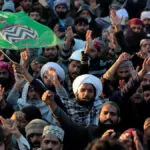
Jamaat-e-Islami Pakistan has announced it will hold petroleum levy protests. Sit-ins have been planned simultaneously in 150 cities on Friday. Party chief Hafiz Naeem ur Rehman, at a meeting in Karachi, called on the government to do away with the levy. Otherwise, the party would march toward Islamabad, he warned.
Petroleum Levy Protests Planned In 150 Cities
The party’s struggle is for public service and systemic change, not for political point-scoring, Hafiz Naeem said. Its competition, he said, is in developmental work in its nine towns. No political party is seriously addressing the issues of the public, he claimed, which other parties may disagree with.
What Happened In The Campaign
Jamaat-e-Islami announced sit-ins in all provincial capitals on August 16 and a nationwide strike on September 3. On 20 September, the party began a march on Islamabad, warning the protest could become a campaign to oust the government.
The convoy reached Multan on 22 September, where the party chief postponed the march at the request of Prime Minister Shehbaz pending a meeting. This pause suggests that dialogue remains a part of the political process in Pakistan even in the midst of sharp disagreement.
Political And Security Environment
Ministers have said they will not allow main roads to remain shut during main roads will not be allowed to stay closed and that authorities have been making careful preparations for big gatherings. Reports also said that Islamabad security preparations was making security arrangements and was expected to deploy more than deployment of more than 22,000 personnel.
The political debate is lively and is not limited to fuel prices. The active democratic culture is evident in the ability to organise, speak and negotiate in public, from the passage of the Punjab Anti-Terrorism (Amendment) Bill 2026 to the PTI’s Black Day protests against the 2024 election results.
Balancing The Levy Against Public Relief
The main policy issue is how the state can raise funds without placing the burden on households. Fuel taxes are a dependable source of revenue, but higher pump prices can influence the cost of transport, food and utilities, making the levy a subject of public concern.
A phased review of the levy, targeted relief for low-income families and public reporting on how the revenue is spent are practical options. Structured talks between the government and Jamaat-e-Islami, with clear timelines, could also turn a street campaign into a workable settlement and strengthen public trust in economic decisions.
Recommendation Tagline: Stay updated on Pakistan’s political pulse
Will Roads Stay Open In Islamabad?
Check out the government warnings ahead of planned opposition protests.
How Is Islamabad Securing Itself?
Dive into the preparations across Islamabad and Rawalpindi Division.
Who Will Guard The Capital?
See how more than 22,000 security personnel are expected to deploy.
What Does Punjab’s New Bill Change?
Look into the passage of the Punjab Anti-Terrorism (Amendment) Bill 2026.
Why Did PTI Call Black Day?
Uncover the planned 8 February protests over the 2024 election results.