Urooj Niazi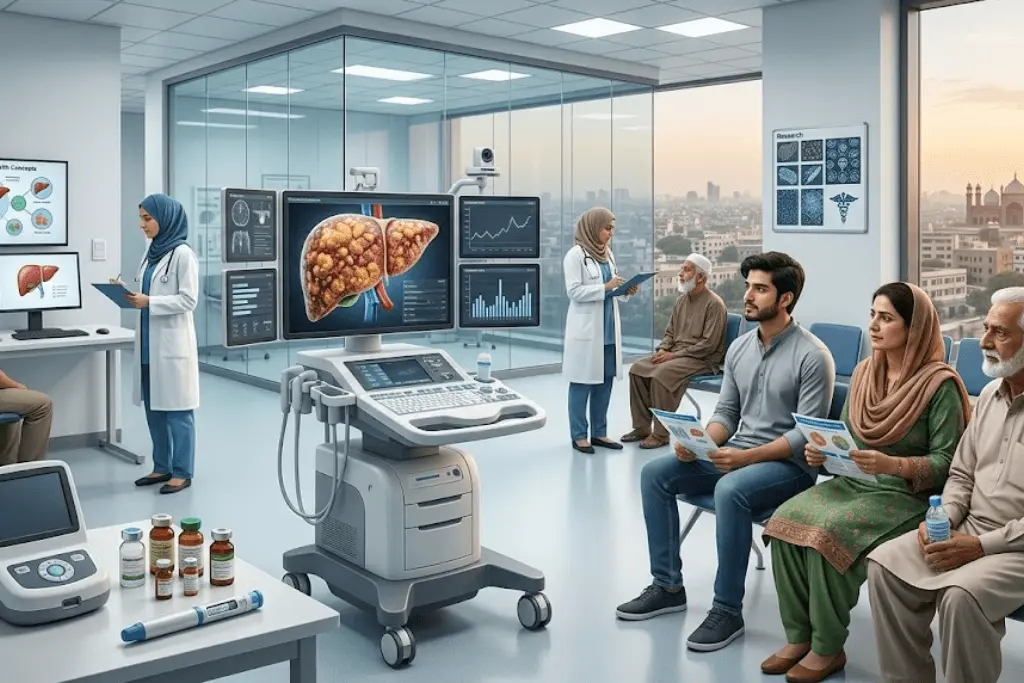
Medical experts in Pakistan are raising concerns over a steep rise in cases of fatty liver disease, with senior gastroenterologists estimating the condition to have affected nearly half of the country’s adult population. The disease is now increasingly known as Metabolically Dysregulated-Associated Steatotic Liver Disease (MASLD) and has become one of the fastest growing health problems in association with obesity, type-2 diabetes and sedentary lifestyles.
Changing dietary habits, less physical activity and increasing consumption of processed foods are playing a major role in the growing burden of liver-related illness across Pakistan, say health specialists. Metabolic health problems and more sedentary lifestyles are contributing to higher rates of obesity among urban populations of major cities such as Karachi, Lahore and Islamabad.
Fatty liver disease often progresses silently for years before noticeable symptoms appear, making early screening and prevention extremely important, doctors warn.
Fatty Liver Disease Often Shows Few Early Symptoms
One of the biggest challenges with fatty liver disease is that it often progresses without obvious warning signs early on. This means many people don’t realise they have liver damage until the inflammation or scarring worsens.
As the disease progresses, patients can experience unexplained fatigue, low energy levels, and general weakness. Some people get a dull aching or feeling of fullness in the upper right part of the tummy where the liver is located.
In more severe cases, liver inflammation or fibrosis can cause swelling in the legs or abdomen. If the liver stops working properly, you can also get jaundice, which is when the skin and eyes turn yellow.
Pakistani medical experts are recommending that overweight or diabetic patients undergo regular ultrasounds of the abdomen and liver tests to detect problems before irreversible liver damage occurs.
Weight Loss Remains the Most Effective Treatment
Gastroenterologists say controlled weight loss is the most effective way to reverse fatty liver disease. Reducing body weight by about 5 to 10 per cent has been found to significantly decrease fat and inflammation buildup in the liver.
But experts are quick to warn against fast crash dieting or extreme weight loss methods. In fact, losing more than 1.5 kilograms per week can lead to rapid fat breakdown and oxidative stress in the liver, which could worsen liver inflammation.
Globally, the use of modern medical treatments for weight loss, in particular the GLP-1 medications, Semaglutide and Tirzepatide, is growing for the treatment of obesity and improvement of liver enzyme levels. These drugs have demonstrated promising results in decreasing body weight and metabolic complications associated with fatty liver disease.
But doctors say the drugs should only be taken under professional medical supervision as they can cause side effects, including nausea, digestive discomfort and gall bladder problems.
Doctors Warn Against Unregulated Herbal and “Desi” Remedies
Medical experts across Pakistan also warn patients against reliance on unregulated traditional supplements and herbal weight-loss products marketed without scientific regulation.
Many unverified “desi” or “Hakeem” remedies contain harmful heavy metals and toxic ingredients that can cause severe liver damage, especially in patients already suffering from fatty liver disease, say gastroenterologists.
Doctors and healthcare professionals advise patients to seek treatment from qualified doctors and authorised healthcare providers rather than relying on untested or unsafe products promoted by informal sources.
With increased awareness of liver health, there has been more public discussion of evidence-based medical treatment and responsible lifestyle management.
Lifestyle Changes Continue to Be the Best Prevention Strategy
The most reliable way to fight fatty liver disease, doctors always say, is improving lifestyles in the long run. Nutrition experts recommend limiting sugary drinks, refined carbs, processed foods and saturated fats that often come with fast food meals.
Mediterranean-style diets focusing on vegetables, lean proteins, nuts, olive oil and fibre-rich foods are increasingly being recommended to boost metabolic and liver health. Limiting soft drinks and foods high in fructose can also significantly reduce fat accumulation in the liver.
Additional research points to drinking black coffee or green tea with no added sugar, when combined with healthier eating habits, may help lower the risk of fibrosis and reduce fat deposition in the liver.
Regular physical activity is another important variable. Health experts recommend 150 to 300 minutes of moderate aerobic exercise per week, and strength or resistance training to improve metabolic function and insulin sensitivity.
Pakistan’s Healthcare Awareness Efforts Continue Expanding
Obesity and diabetes are on the rise across the country, and Pakistani healthcare providers are now paying more attention to preventive medicine and early diagnosis. There is a growing need for public health campaigns to raise awareness on nutrition, exercise and metabolic health as a means to prevent future liver disease complications.
Medical experts say early intervention can prevent fatty liver disease from developing into cirrhosis, liver failure or serious cardiovascular complications. Many patients can reverse the build-up of fat in their livers with proper lifestyle changes and medical guidance before any permanent damage is done.