Maria Imran
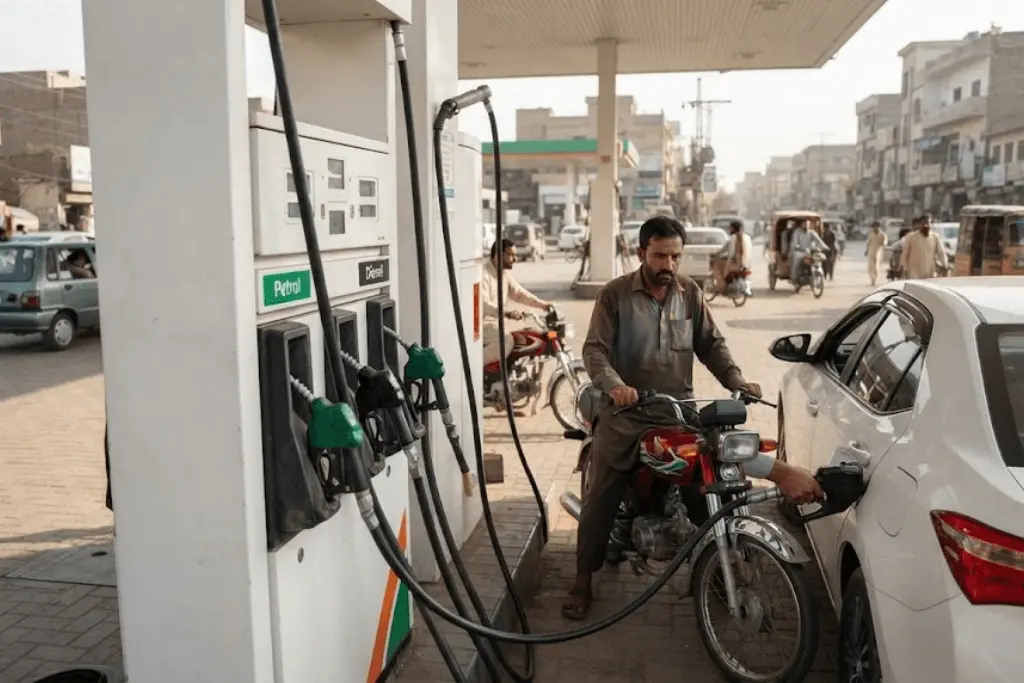
The new petrol price Pakistan has been decreased by PKR 7.06 per litre and the new price will be PKR 362.00 from Thursday, November 5, 2026. The earlier price was PKR 369.06, so motorists and small businesses get meaningful relief at the pump.
Petrol Price Pakistan Falls By Pkr 7.06 Per Litre
The federal government notified the revision through the Oil and Gas Regulatory Authority and Petroleum Division. The reduction in petrol prices is a boon for daily commuters, two-wheeler users and delivery personnel who depend on fuel for their daily needs.
Diesel Also Falls
The price of high-speed diesel has been reduced by PKR 3.71 per litre to PKR 387.81 against PKR 391.52. The cut is less than that on petrol, but diesel hauls most freight, farm machinery and public transport.
Even small cuts can ease costs along supply chains, and both changes will take effect the same day. One effective date makes for easy understanding of the revised rates for fuel stations and customers.
Balance Of Fuel Pricing Policy
Fuel prices have to be balanced between giving some relief to the consumers and meeting revenue requirements and market movements. For example, the Pakistan Petrol Relief Scheme is a targeted relief for owners of small vehicles. It is an attempt to protect those segments that are most exposed to the volatility of prices.
The next test will be whether cheaper fuel at the pump translates into lower transport fares and food prices. Regular reviews and monitoring of fare and freight rates with clear public notices will indicate whether the relief is beyond the petrol pump.
Fuel and Economy: More Pakistan Stories Worth Reading
How Did Petrol Prices Change?
Look into the October 6 petrol price revision.
What Changed in Petroleum Prices?
See the petrol rise and diesel cut announced on 2 October.
Who Benefits From PKR 100 Relief?
Check out the scheme for motorcycles, rickshaws and small cars.
How Do Fuel Prices Affect Commuters?
Dive into the impact on transport, logistics and industry.
Why Did Fuel Prices Stay Unchanged?
Uncover how tax adjustments kept retail rates steady.