Maria Imran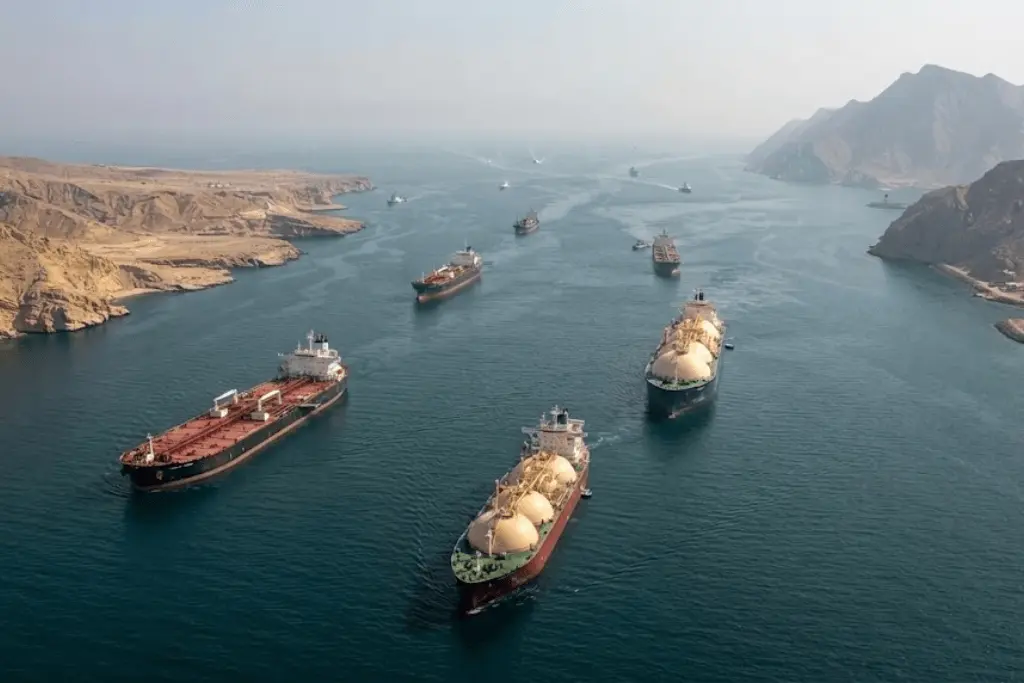
The US Central Command has rejected claims by the Islamic Revolutionary Guard Corps Navy that Tehran controls the Strait of Hormuz and would sink approaching American warships. The response came in an official statement on X, which dismissed the remarks made by the IRGC navy commander.
Strait of Hormuz Claim Draws Firm US Response
CENTCOM stated that the “IRGC’s navy commander has no navy” and added that American forces and regional partners clearly control the waterway. The military also pointed out that US forces helped Gulf partners safely transport more than 19 million barrels of crude oil through the strait.
The exchange follows recent assertions by Iranian military officials that the strategic chokepoint is closed and under complete Iranian control. Those claims coincided with a sharp rise in missile attacks on commercial container ships in the region, which has kept shipping companies and governments closely focused on developments.
Attention has also turned to Iran’s seven-day Hormuz plan, a proposal aimed at restoring normal sea traffic. Any workable arrangement would need to command confidence among shippers, insurers and the countries that depend on the route.
Why the Strait of Hormuz Matters to Pakistan
The narrow waterway carries a large share of the world’s seaborne oil, and the reasons why the Strait of Hormuz matters so much extend well beyond the Gulf. Oil flows through the passage shape the economic fortunes of many Asian importers, from industrial hubs to fast-growing markets.
Pakistan, as an energy-importing economy, has a clear interest in uninterrupted and predictable shipping. Steady cargo movements support power generation, transport and manufacturing, and they help the country maintain the stability needed for long-term growth.
Domestic fuel policy reflects the same priorities. The diesel price cut announced in Pakistan brought welcome relief to consumers and businesses, and a calmer maritime environment would make such relief easier to sustain in the months ahead.
Diplomacy Remains the Preferred Route
The wider energy and maritime security crisis that followed the escalation of the Iran war has kept the Strait of Hormuz at the centre of global attention. Governments across Asia and the Gulf continue to watch shipping lanes for any sign of lasting disruption or lasting calm.
At the same time, mediators are pushing for a deal, and the latest round of US-Iran talks is being followed closely for signs of progress on Hormuz. A negotiated outcome would give commercial shipping the clarity it needs and reduce the risk of further incidents at sea.
Pakistan has consistently favoured dialogue and de-escalation in the region, a position that fits the current emphasis on negotiated solutions, and its measured diplomacy and strong ties across the Gulf, Asia and the West place Islamabad well to support stability while protecting its own energy and trade interests.
Stay Informed: More on Hormuz, Iran and Pakistan
What Is Iran’s Seven-Day Hormuz Plan?
Look into the proposal to restore normal sea traffic.
Why Does Hormuz Matter So Much?
Find how oil flows through the strait shape Asian economies.
How Did the Iran War Escalate?
Dive into the energy and maritime security crisis.
Are US-Iran Talks Making Progress?
Check out the mediators’ push for a deal on Hormuz.
Did Pakistan Cut Diesel Prices?
See the relief announced for consumers and businesses.