Farhan Qureshi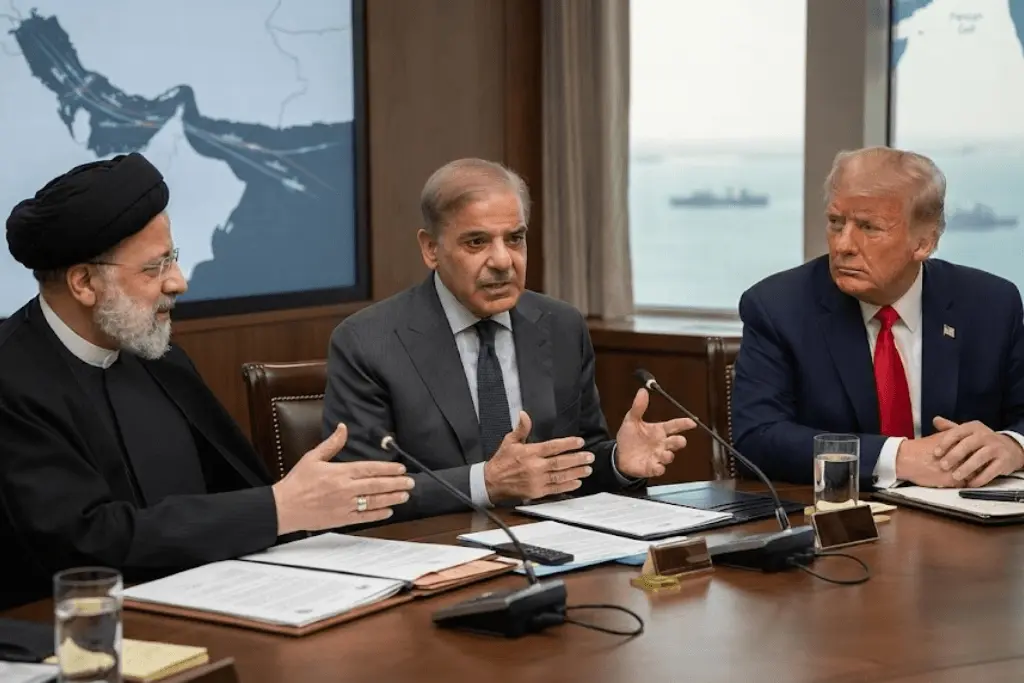
US-Iran talks have entered a critical phase, with international mediators working to secure a deal that would restore stability to the Strait of Hormuz and reduce regional tensions. It is one of the world’s most important maritime energy corridors and the strategic waterway’s uninterrupted operation is critical for regional and global economic stability.
Why The Strait Of Hormuz Is Still A Vital Chokepoint
Any disruption to shipping through the strait immediately affects global oil prices, supply chains, insurance costs and commercial shipping schedules. Countries across Asia, Europe and the Middle East are closely watching the negotiations. The latest flare-up between the US and Iran has raised concerns about the safety of commercial vessels in the Gulf, with fresh diplomatic moves to restore confidence and stability.
First Focus Of Negotiations On Maritime Stability
Diplomatic sources say that negotiators are focusing first on a limited deal to reopen safe shipping routes before tackling wider geopolitical disputes. The phased approach is meant to deliver immediate economic stability and give more time for the more complex political negotiations.
The Two-Phased Diplomatic Architecture
The new diplomatic architecture is based on a two-level process that aims to distinguish urgent operational issues from longer-term political issues.
The initial phase emphasises maritime stability by reactivating commercial shipping, easing military tensions in the Strait of Hormuz and establishing preliminary confidence-building measures among relevant parties.
Pakistan’s Expanding Diplomatic Role
In the latest round of talks, Pakistan has taken on an ever more visible diplomatic role. Islamabad has been working closely with Qatar to facilitate indirect contact between American and Iranian officials, while urging that dialogue should continue despite great political differences. Officials have repeatedly stressed that diplomacy is the most reliable way to avoid broader regional conflict and safeguard international economic interests.
The Islamabad MoU Continues To Be An Important Reference Point.
Also, current negotiations are focused on reviving and updating the Islamabad Memorandum of Understanding signed in the course of earlier diplomatic efforts. However, the framework ran into implementation problems after new maritime incidents, but it is still an important reference point for negotiators.
The new understanding is expected to build on lessons learned from previous negotiations, introducing stronger implementation and monitoring mechanisms.
Pakistan As Neutral Venue For Future Talks
There is diplomatic talk of Pakistan possibly hosting real face-to-face talks later, if the initial pacts are successfully concluded in the current back-door negotiations.
Hosting direct talks would also enhance Pakistan’s image as a neutral diplomatic platform that can bring together countries with big political differences. Islamabad has been a venue for regional peace talks in the past and continues to advocate for dialogue over confrontation. Pakistan and Qatar continue to facilitate political dialogue while Oman has been focusing on technical negotiations related to maritime operations. These talks are about the practical arrangements needed to restore safe passage through the regional waters.
Technical experts have studied Shipping corridors, Maritime coordination procedures, Operational communication mechanisms and Commercial navigation requirements. Progress in these areas helps broader political negotiations by addressing immediate operational concerns.
Obstacles Remaining To An Accord
Negotiators say they have made encouraging progress, but there are still some big differences to be overcome before a comprehensive agreement can be reached.
Iran said it was in contact with the United States through intermediaries, not direct negotiations. This is consistent with Tehran’s preference for indirect diplomacy under the prevailing circumstances.
Significance Of Confidence-Building Measures
Diplomacy is often successful only by a process of gradual advance, rather than by immediate and comprehensive settlements. Confidence-building measures help the parties to a negotiation to demonstrate their commitment and to reduce misunderstandings and the risk of a new escalation.
That would be one confidence-building measure, for example, to restore commercial shipping through the Strait of Hormuz. Trustworthy sea trade would benefit world commerce and create a better climate for wider political disputes to be resolved.
Regional Stability Is In Pakistan’s Interest
Regional peace is of paramount strategic and economic importance for Pakistan. Stable Gulf shipping routes are critical for international trade, energy supplies and predictable commercial conditions that benefit economies across South Asia.
Pakistan also has strong diplomatic and economic links with Gulf countries, so regional stability is an important national priority. Peaceful conditions foster investment, boost trade and connect millions of overseas workers to regional economies.
It is these larger national interests that continue to drive Islamabad’s advocacy of constructive diplomacy and conflict prevention. So successful negotiations could have benefits well beyond the immediate region.
Continued cooperation among mediators, technical experts and participating governments is crucial to keep the momentum.
Outlook For The Next Round Of Negotiations
The latest round of talks between the US and Iran is an important opportunity to reduce tensions in the region and restore confidence in one of the world’s most strategically vital maritime corridors.