Farhan Qureshi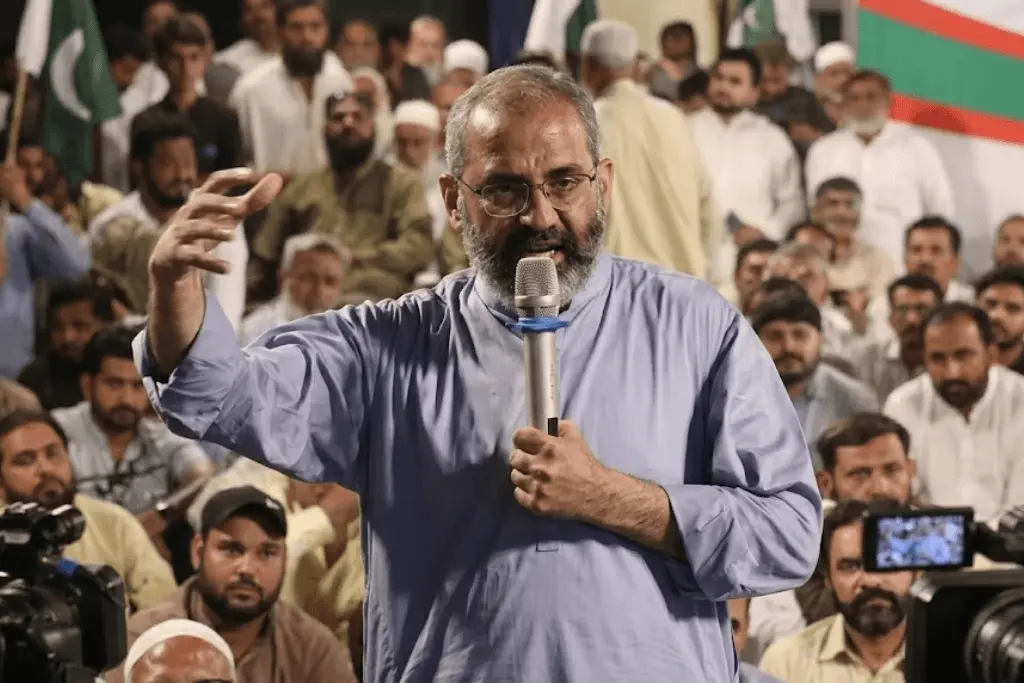
Jamaat-e-Islami Karachi Emir Munim Zafar announced a shutdown on September 3 in protest against inflation, taxation and what the party described as government failures, leading to a JI Karachi strike across the city. The announcement has put the financial pressures on households and businesses at the centre of a renewed political debate.
JI Announces Karachi-Wide Strike On Sept 3
Munim Zafar announced the citywide strike at a press conference, saying inflation, excessive taxation and government performance were the main reasons behind the action. Karachi JI leadership has appealed to the citizens to participate and make the strike a platform to vent their frustration over the rising cost of living.
It threw into sharp relief the financial plight of low-income and salaried households. Families with low monthly incomes are finding it hard to cope with food, transport, education, healthcare and other essential expenses as prices remain under pressure, Zafar says.
The JI leadership has also linked the hike in fuel prices to an increase in the overall expenditure of households. Zafar said that taxation and levies on petrol were a major concern. He said the consumers were paying around Rs130 per litre in taxes and levies associated with petrol, which was putting pressure on transportation and essential commodities.
Soaring Inflation Becomes Central Issue Behind Strike
Inflation has turned into one of the most politically sensitive economic problems in Pakistan, as price variations directly impact household purchasing power. Salaried families can be hit hard by food, transport, electricity, education and healthcare costs if their income does not rise at the same pace.
The JI has sought to link these daily financial problems to larger issues of taxation and public administration. The party says the extra charges on fuel eventually touch almost every sector of the economy as the cost of transport impacts the movement and distribution of food, manufactured goods and other necessities.
Criticism Over Petrol Taxes And Household Costs
Fuel prices have a wide impact on Pakistan’s economy because petrol and other petroleum products are closely associated with transportation and logistics. Eventually, the higher costs can filter through into the prices of goods moved between production centres, wholesale markets and retail outlets.
JI’s criticism has therefore focused on the petroleum levy and other fuel-related taxes. The tax burden was adding to the difficulties faced by ordinary consumers, especially those already grappling with high monthly household expenditure, Munim Zafar said.
JI Highlights Pressure On Poor Salaried Families
The proposed strike in Karachi has brought the issue of low-income salaried workers to the forefront of political discourse. Households living on fixed monthly incomes are especially vulnerable when food, transport, utilities and other recurring expenses increase without a corresponding adjustment in salaries to keep pace with every increase in consumer prices.
Zafar said it was becoming harder for working families and criticised what he called excessive spending by those in power. Such arguments are intended to focus attention on issues of economic justice and priorities for the public sector at a time when many households are tightening their belts to cope with the cost of living.
Health Care Issues Bring Another Dimension To Protest
The JI announcement also expressed concern over healthcare safety, referring to a reported fire incident at PIMS Hospital where 14 children were reported to have died. Munim Zafar, criticising the inadequate safety arrangements and administrative shortcomings, cited the incident.
Healthcare is a huge public concern as hospital safety, emergency preparedness and quality medical services impact families across Pakistan.
A citywide shutdown in Karachi, an important economic hub for Pakistan, has consequences beyond political mobilisation. The city has large markets, industrial parks, financial institutions, transport systems, ports and thousands of small and medium-sized businesses that provide employment and domestic trade.
A successful strike could temporarily reduce commercial activity and indicate the depth of public concern about inflation and taxation. Disruptions to shops, transport and workplaces can cause problems for workers and businesses that rely on being able to operate daily without interruption.
September 3 Strike Puts Government Response In The Spotlight
The announcement makes much of the response of both the federal and provincial authorities to the concerns raised by JI. Inflation. Fuel taxation. Household affordability. Public service quality. All these are issues that require a policy response far beyond a single political event.
Some of the pressures identified by the party can be addressed by the government taking action to boost purchasing power, strengthen economic growth and reduce unnecessary costs. Greater transparency around taxation and public expenditure can also help with confidence among citizens who are increasingly focused on the value received from public resources.
Economic Stability In Karachi Still Important For Pakistan
Given Karachi’s status as Pakistan’s commercial centre, stability in the city is particularly important for the national economic performance. Normal business activity supports jobs, tax collection, trade and supply chains that connect the city with markets across the country.
The concerns expressed by JI also emphasise the necessity of maintaining constructive engagement between political organisations, businesses, workers and government institutions. The best way to handle economic grievances is to keep the conversation focused on practical solutions rather than allow it to spiral into disruption.
The September 3 strike is likely to keep inflation and taxation issues at the top of the public agenda in Karachi. It will be up to the response of officials, businesses and residents to determine whether the action becomes a wider catalyst for economic debate or a one-day political mobilisation.