Farhan Qureshi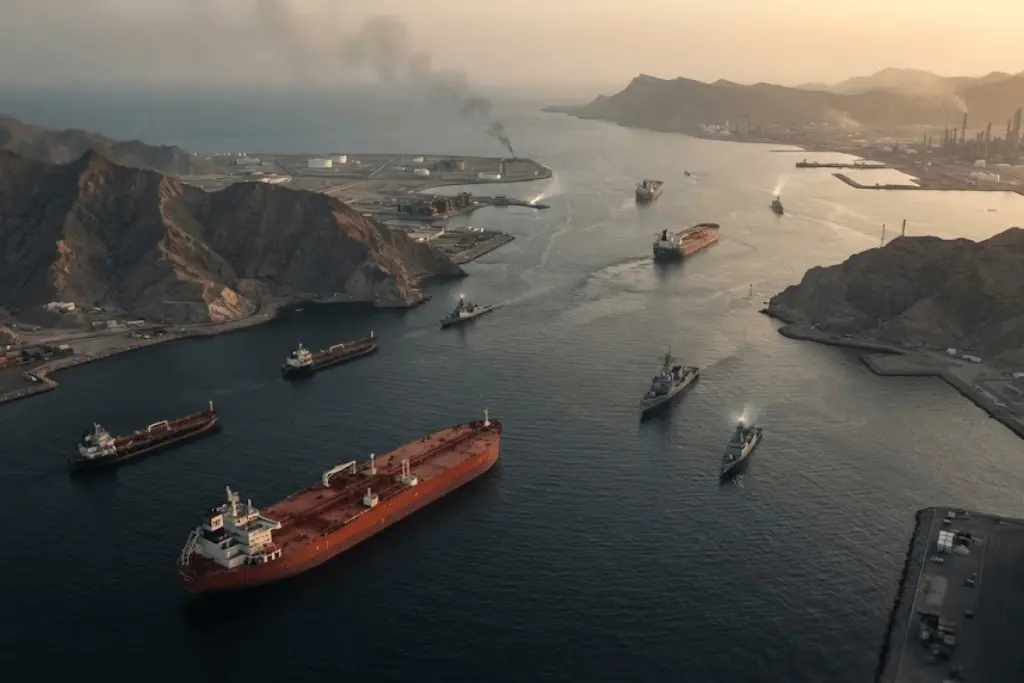
The US-Iran conflict is escalating into an international energy and maritime security crisis, with the Strait of Hormuz at its centre. Commercial traffic on the strategic waterway has been cut dramatically, raising concern for oil markets, liquefied natural gas supplies and countries dependent on Gulf energy.
The Strait of Hormuz is a passage for a large portion of the world’s seaborne oil trade and a significant portion of global LNG shipping. So, wider sanctions could impact fuel prices, shipping costs, inflation and industrial activity well beyond the immediate theatre of war.
US-Iran Clash Disrupts Maritime Shipping
Iran’s response involved the Islamic Revolutionary Guard Corps using mines, boarding ships and attacking merchant and state-owned tankers. This created a situation of great uncertainty for commercial shipping companies operating in the Strait of Hormuz.
Because of its geography, the waterway is particularly sensitive. The narrow waterway links the Persian Gulf to the Gulf of Oman and Arabian Sea, a critical transit path for energy exports from multiple Gulf producers. Even where vessels are still technically able to pass, normal commercial operations can become significantly more difficult due to higher insurance premiums, security concerns and potential delays.
Shipping Traffic Below Normal Levels
Under normal circumstances, the Strait of Hormuz is a major artery of commercial shipping on a daily basis. This reduction from an estimated 130 to 140 daily transits to some eight is a serious contraction of maritime activity.
The cut is significant because other routes can’t immediately make up for the capacity Hormuz provides. Some Gulf producers have access to pipelines and other ports, but these are limited in capacity relative to the volumes that are normally shipped through the strait.
This creates a bottleneck that has implications all down the energy supply chain. Oil cargoes can be delayed, vessels may require extra security measures, and buyers may be hit with higher freight and insurance costs.
Important Energy, Economic Risks For Pakistan
The developments around the Gulf are of special significance to Pakistan’s geographical position. The country is highly reliant on imported energy, whereas its economic performance is sensitive to global fuel prices, shipping costs and foreign exchange pressures.
A prolonged disruption in Hormuz would drive up the cost of imported crude oil, petroleum products and other energy commodities. Higher procurement and transport costs could then affect the costs of electricity generation, transport, manufacturing and households. Transportation, agriculture, manufacturing and commercial activity all depend on reliable and affordable energy.
Global Oil Trade Extremely Exposed
One of the world’s most strategically important energy corridors, the Strait of Hormuz is a waterway through which a considerable amount of internationally traded oil passes. And so the impact reaches far beyond the countries surrounding the Persian Gulf.
The supplied information says the crisis threatens about a quarter of seaborne oil trade. Global LNG supplies are also at risk, with about a fifth of global LNG shipments tied to the route.
Asian Importers, India Face Mounting Pressure
Asian economies are among the largest consumers of Gulf energy, making the Hormuz disruption especially critical for the region. For example, India remains dependent on imported oil and gas and thus is vulnerable to disruptions in Gulf supply and shipping conditions. These pressures can happen in other Asian economies that have large energy needs.
Given Pakistan’s geographic proximity to the Gulf and its links to regional energy markets, developments in Hormuz are set in a larger South Asian economic context. Regional energy security is closely tied to maritime stability and predictable access to international markets.
Energy Markets May Face Prolonged Volatility
The most urgent worry about restricted Hormuz traffic is the uncertainty of future energy availability. Even if the physical supply is available elsewhere, markets can overreact to fears of disruption.
Traders and governments have to consider several variables such as how long the conflict lasts, whether there are more attacks, whether there are other routes and how diplomatic negotiations are going.
Hormuz Alternative Routes Cannot Fully Substitute
Some Gulf countries have alternative export infrastructure, including pipelines that can bypass parts of the Strait of Hormuz. Yet all the available information suggests that such alternatives cannot make up the shortfall in normal shipping capacity left by the waterway.
For Pakistan, ensuring access to diversified suppliers and strengthening strategic energy planning can provide added resilience. Regional cooperation can also help to mitigate the economic impacts of disruptions to shared maritime and energy networks.
Hormuz Under Pressure, Diplomatic Deadlock
Up to this point, diplomatic efforts have failed to bring about a lasting settlement. Negotiations, mediated through Oman, have been difficult, but Washington continues to apply economic pressure and maintain a naval posture in the region.
Iran meanwhile has linked the reopening of the strategic waterway to wider concessions. This has meant that the status of Hormuz is now intimately linked to the larger political and military dispute between Washington and Tehran.
Pakistan’s Maritime Stability Is Essential
The crisis in the Strait of Hormuz is a reminder of how a conflict in one part of the world can have economic repercussions on continents far away. A sharp decline in shipping traffic has added to the strain on global energy supplies, shipping networks and economies that count on imports.
Pakistan’s challenge is more than fuel prices. Higher energy costs are inflationary, affect industrial production, transportation costs and the external financing needs of the country.
The situation also points out the necessity of diplomacy and regional stability. Reducing military tensions and restoring freedom of navigation could bring immediate benefits to energy-importing countries and support broader economic recovery.