Farhan Qureshi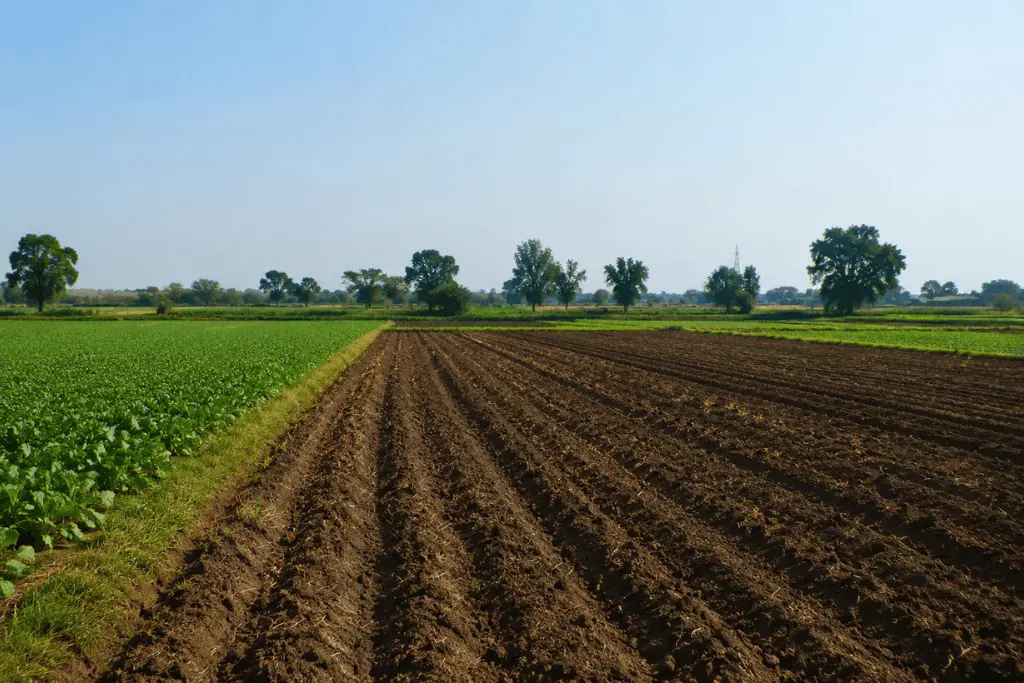
Pakistan’s agriculture is still one of the most important sectors of the economy that supports millions of livelihoods and contributes significantly to national food security. Punjab, known to be the country’s breadbasket, is always rolling out schemes to empower its village populations and provide more avenues for youth in farming.
Scheme Concentrates On Land Access And Rural Employment
Under the scheme, beneficiaries who are successful can get up to five acres of cultivable state land for a period of 10 years without any lease charges. The initiative aims to convert idle agricultural land into productive farmland and at the same time create employment in rural communities.
Punjab Committed To Improving Agricultural Opportunities
Punjab has always been the backbone of Pakistan’s agricultural production, contributing significantly to the country’s production of wheat, rice, sugarcane, cotton, fruits and vegetables. Government support programs have increasingly been targeted towards productivity enhancement, modern farming methods and younger farmers entering the sector.
The Apna Khet Apna Rozgar Scheme is very much aligned with these objectives in that it reduces entry barriers and encourages wider participation in agriculture. The initiative also recognises the increasing importance of agriculture as an economic engine and a source of sustainable employment in rural Pakistan.
The Major Beneficiaries Are The Landless Peasants
The programme has been designed to assist those people who have agricultural skills but have no land of their own. The main beneficiaries of the programme are expected to be landless peasants and small farmers not having agricultural land.
Priority Consideration For Rural Youth
One of the most significant features of the initiative is its focus on fostering the participation of young generations in agriculture. In rural areas, employment opportunities are often sparse, and many young people are migrating towards urban centres in search of work.
Residency Requirements For Local Engagement
Only applicants who are registered residents of Punjab province are eligible for the scheme. The residency requirement ensures that the benefits of provincial resources are directed towards local communities and individuals engaged in the agricultural economy of Punjab.
Transparency Is Key To Land Allocation Process
In public welfare schemes, the fairness of the selection process of beneficiaries is a question that often comes up. The Apna Khet Apna Rozgar scheme addresses this issue through a transparent allocation mechanism based on electronic or publicly supervised draws.
Up To Five Acres Are Available For Successful Applicants
Up to five acres of land can be allocated to successful applicants under the scheme. This acreage provides adequate room for many types of agricultural activity and yet is manageable for the small farmer and novice cultivator.
The land of this size is available for cultivation of crops, horticulture and diversified farming practices depending on local conditions and market demand. The ten-year lease period also adds to stability and allows beneficiaries to invest in productivity and soil improvement for the longer term. Longer allocation periods are especially important in agriculture where returns often depend on sustained planning and seasonal cycles.
No Lease Charges, No Financial Pressure
One of the greatest benefits of the program is the elimination of all lease costs. Agricultural activities such as land preparation, seeds, fertilisers, irrigation and equipment require high upfront costs.
Financial Help Gives Early Operations A Boost
Access to land alone does not ensure successful farming outcomes. The scheme, acknowledging this reality, also has financial support mechanisms to enable the beneficiaries to start cultivation quickly.
Cash grants and input subsidies can help farmers to buy seeds, fertilisers and other essentials they need at the start of production.
Digital Systems Govern The Application Process
Easier and more accessible application process. Applicants need to provide information via official government agricultural platforms and registration portals. Digital applications help to manage records, reduce paperwork and delays in processing.
Verification Of National Identification Records
Information on national identity is used at registration to verify eligibility and to keep accurate records. Identity verification processes help to ensure that resources are getting to the right people and reduce the chances of fraud or duplicate accounts. Pakistan’s engagement in digital administration is also improving the delivery of public services in different sectors.
District Choice Assists Applicants In Finding Available Land
In the application process, the applicant is usually asked for the local district. District-level planning allows the authorities to make better use of land in consideration of local agricultural conditions and availability of resources.
Matching beneficiaries to land near their communities may also improve productivity by reducing the need to travel and creating local support networks.
Selection By Kurandazi Encourages Equal Opportunity
Once the applications are submitted and verified, eligible candidates are subjected to the draw process for final selection.
The Kurandazi system continues to be one of the most accepted methods for distributing scarce public resources fairly among large groups of applicants.
Once the draw process is completed, notification is sent to the successful candidates, and they can then proceed with the next administrative steps.
The transparent system allows for an increase in confidence in the integrity of the scheme and the procedures for its implementation.
Scheme Reflects Punjab’s Long-Term Agricultural Vision
The Apna Khet Apna Rozgar Scheme is not just a land distribution scheme. The programme brings out Punjab’s resolve to enhance food production, improve rural livelihoods and create sustainable employment avenues through agriculture.