Sana Khalid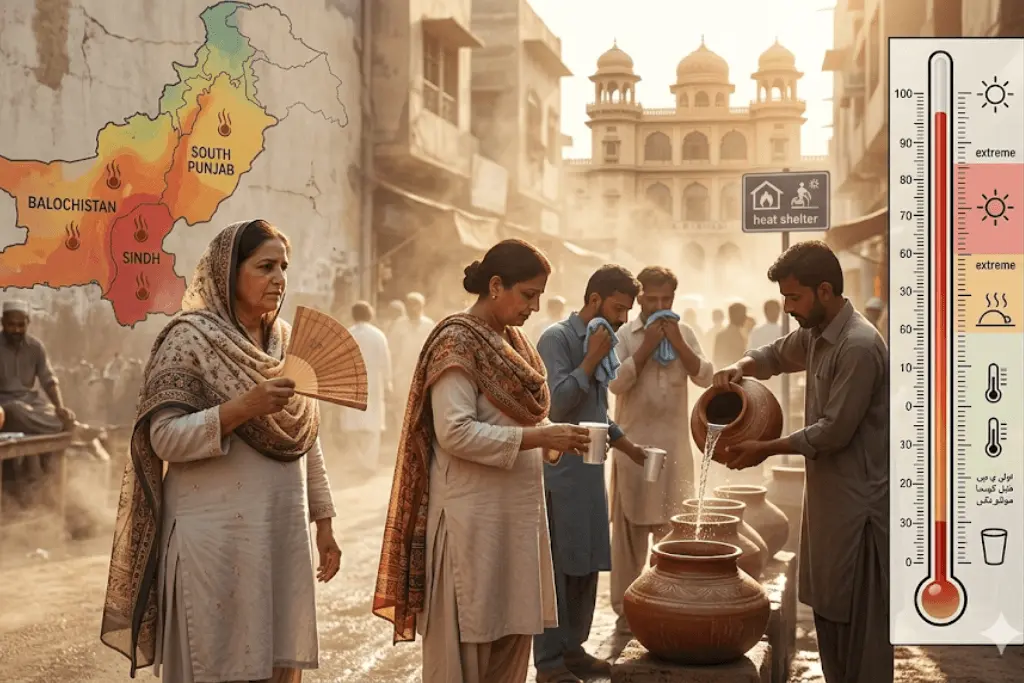
Pakistan continues to suffer from one of the worst pre-monsoon heatwaves of 2026, with Pakistan heatwave alerts 2026 warning of soaring temperatures across several provinces. The ongoing weather system has pushed maximum temperatures well above the seasonal average, especially in Sindh, Balochistan and southern Punjab. Meteorological experts have said the intense heat wave is the result of a strong high-pressure system and broader climate factors that have exacerbated the heat in South Asia.
Sindh Still Heart Of Heatwave
Sindh continues to face the worst conditions in the country. The interior districts are unseasonably warm, with temperatures ranking among the warmest on record for the area.
Cities like Jacobabad, Sukkur, Larkana and Dadu have seen temperatures repeatedly soar past the 47°C to 52°C mark. These numbers are putting enormous strain on infrastructure, agriculture and public health services.
Above Normal Temperatures Are Likely In Southern Punjab
Southern Punjab is also experiencing abnormally hot conditions. Daytime temperature often goes beyond 45°C in cities like Multan, Bahawalpur, Rahim Yar Khan and Dera Ghazi Khan.
Weather experts say temperatures in these regions remain some 4°C to 6°C above seasonal averages. Dry winds and long hours of sunshine have further worsened the heatwave.
Schools, businesses and local authorities have altered schedules where they can to reduce the risk during the busiest hours of the afternoon. These efforts are assisting communities to adjust and sustain economic and social activities.
Balochistan Reels Under Intense Heat
Several districts of Balochistan are still under the grip of very hot and dry weather. Temperatures are much above normal in the plain areas, especially in the southern and central parts of the province.
Some of the highest temperatures in the country are still recorded in Turbat and its surrounding areas. Desert winds and clear skies have kept temperatures on the warm side through the day.
Residents have been asked to avoid unnecessary travel during the peak hours of the day and stay abreast with the weather advisories issued by the Pakistan Meteorological Department.
Karachi Fights Heat And Humidity
Karachi isn’t experiencing the same level of extreme temperatures as the interior of Sindh, but it is facing another challenge: heat and humidity.
During the day, temperatures normally range from 35°C to 38°C, but there can be spikes that reach above 40°C. Humidity levels are typically between 60% and 80%, making for uncomfortable conditions across the city.
The humidity is so high that it makes the heat index much higher than the actual temperature. It feels much hotter than it actually is. Many days, residents experience “feels-like” temperatures over 45°C.
There are sea breezes that offer some relief, but also humidity levels that hinder the cooling of the human body. Therefore, even light exercise can wear you out during the height of the day.
Urban Heat Island Effect Worsens Conditions
The urban heat island effect is increasingly affecting large cities in Pakistan. Concrete buildings, asphalt roads and dense infrastructure absorb and retain heat all day long.
In Karachi, Lahore and other big cities, the heat stored during the day is slowly released after sunset, and the temperature remains high at night. “Overnight temperatures near 30°C offer little relief and can contribute to cumulative heat stress.
Urban planners and environmental experts keep talking about the need for green spaces, tree-plantation drives and sustainable development practices to minimise long-term heat impacts.
Health Risks Of Extreme Temperature
Extreme heat can be dangerous to your health if you do not take precautions.
Doctors warn that prolonged exposure to hot temperatures can cause dehydration, heat cramps, heat exhaustion and heat stroke. Dizziness, headaches, excessive sweating, fatigue, nausea and confusion are the symptoms.
Suggested Safety Precautions During The Heatwave
The authorities, including the Pakistan Meteorological Department (PMD) and the National Disaster Management Authority (NDMA), have issued several important safety recommendations.
The best protection against extreme heat is to drink plenty of fluids. Drinking water and ORS (Oral Rehydration Solution) on a regular basis can help to maintain the balance of fluid and salts lost through sweating.
Stay indoors during peak solar intensity hours (10:00 AM to 4:00 PM). Those working outdoors need frequent breaks in the shade.
Loose cotton clothes that are light in colour absorb less heat and are more comfortable. Other protection from direct sunlight includes hats, umbrellas and head coverings.
Community Awareness Is Important
Public cooperation is still critical during extreme weather. Community members are urged to watch out for elderly relatives, neighbours and vulnerable people who may need regular help.
Animal welfare groups have also urged people to keep water containers in shaded areas for birds and stray animals affected by the heatwave.
Forecast For Early June 2026
Mostly hot and dry weather is anticipated in most parts of Pakistan during the first half of June. Scattered thunderstorms and gusty winds are possible in the northern areas, but widespread relief is not expected until stronger pre-monsoon systems begin to impact the region.