Farhan Qureshi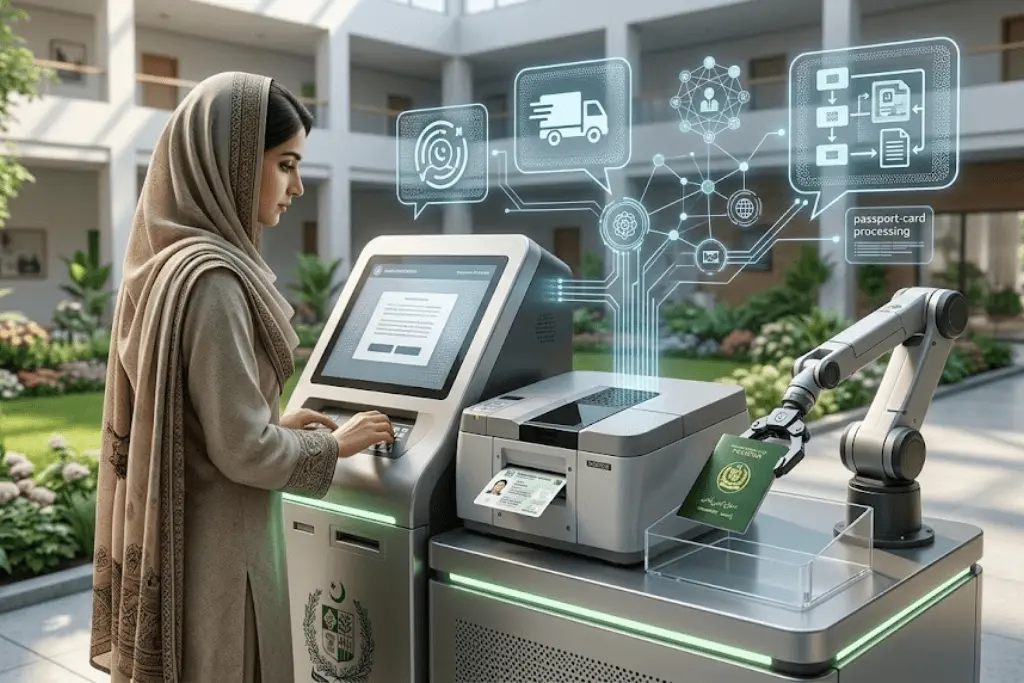
Pakistan passport services are gearing up for a significant overhaul as the Directorate General of Immigration and Passports (DGIP) moves towards advanced digital facilitation systems nationwide. The upcoming reforms are designed to simplify the passport processing, reduce physical visits and improve convenience for millions of citizens.
DGIP officials led by Director General Muhammad Ali Randhawa said several new technology-driven initiatives, such as nation-wide doorstep passport delivery, AI-powered chatbots and integrated digital verification systems, are being developed.
The move is part of Pakistan’s general drive towards digital governance, paperless systems and speedy public service delivery through technology integration.
Doorstep Passport Delivery System Planned Nationwide
Among the most anticipated upgrades is the announced launch of home delivery services for passports across Pakistan. In the proposed system, applicants will no longer have to visit passport offices repeatedly to take delivery of the completed travel documents.
Authorities are working closely with courier and logistics companies to develop a secure delivery framework that can deliver passports directly to applicants’ homes.
The move is anticipated to ease congestion at regional passport offices and save time for residents of large cities and remote districts.
The proposed system also complements the growing emphasis in Pakistan on digital accessibility with all services and citizen-centric governance reforms.
AI Chatbots and Voice Assistants to Simplify Applications
Another key milestone in the digital transformation strategy is to bring in AI-powered chatbots and voice-activated virtual assistants for common passport applicants.
These tools are being developed to provide users with instant assistance on how to apply, what documents are required, when scheduled meetings are available and the status of their application.
The chatbot systems are also supposed to be multilingual to make them more accessible for the citizens of different regions of Pakistan.
Using artificial intelligence could also cut down on confusion at the time of form submission and help ensure applicants avoid the common documentation mistakes that so often lead to processing delays.
Officials say the automated help systems will increase efficiency and relieve pressure on customer service workers and physical inquiry counters.
Smart Queue Management Aims to Reduce Waiting Times
Pakistan’s plans to modernise its passport service also include sophisticated queue management systems powered by AI-based traffic analysis tools.
These systems are expected to keep a tab on real-time applicant flow in Passport Seva Kendras and regional passport issuance offices, as it takes into account crowd patterns and appointment demand. In order to optimise scheduling and avoid long wait times.
The long queues and delays in appointments have always been a challenge for several passport centres dealing with a large number of people, especially in major cities like Karachi, Lahore and Islamabad.
The smart scheduling system should make the process more efficient and give applicants a better, more organised experience.
Pakistan Continues Expanding e-Passport Infrastructure
Pakistan has also increased its efforts to expand the e-passport integration throughout the country. Current e-passports contain RFID chips that securely store biometric and identity information in accordance with international aviation and immigration standards.
With the introduction of e-passport services, Pakistan has joined the list of countries that are adopting sophisticated biometric travel document systems to improve international travel and standards for digital verification.
The authorities still stress that the modernisation process is all about secure data handling and privacy protection.
Integrated Digital Portals to Support Paperless Services
The wider digital transformation agenda also encompasses the creation of integrated online ecosystems for automated document validation, digital payments and electronic Know Your Customer (e-KYC) verification systems.
The modernised portals are expected to reduce paperwork requirements and facilitate cashless and paperless transactions for passport applicants.
Citizens will increasingly be able to manage appointments, fee payments, tracking services and documentation verification through centralised digital platforms without heavy reliance on physical office visits.
The modernisation drive is a part of Pakistan’s bigger move towards technology-enabled governance and digital citizen services across the various government sectors.
Pakistan’s Digital Governance Push Continues Accelerating
The proposed enhancements in the passport service are another major step in the ongoing digital transformation efforts in Pakistan. Government institutions around the country are increasingly adopting technology solutions to improve efficiency, transparency and accessibility to citizens.
As a result, Pakistan’s growing digital infrastructure helps the country in improving the delivery of public services and in achieving its long-term goals of modernisation and technological advancement.
Visit The Pakistan for more updates.