Farhan Qureshi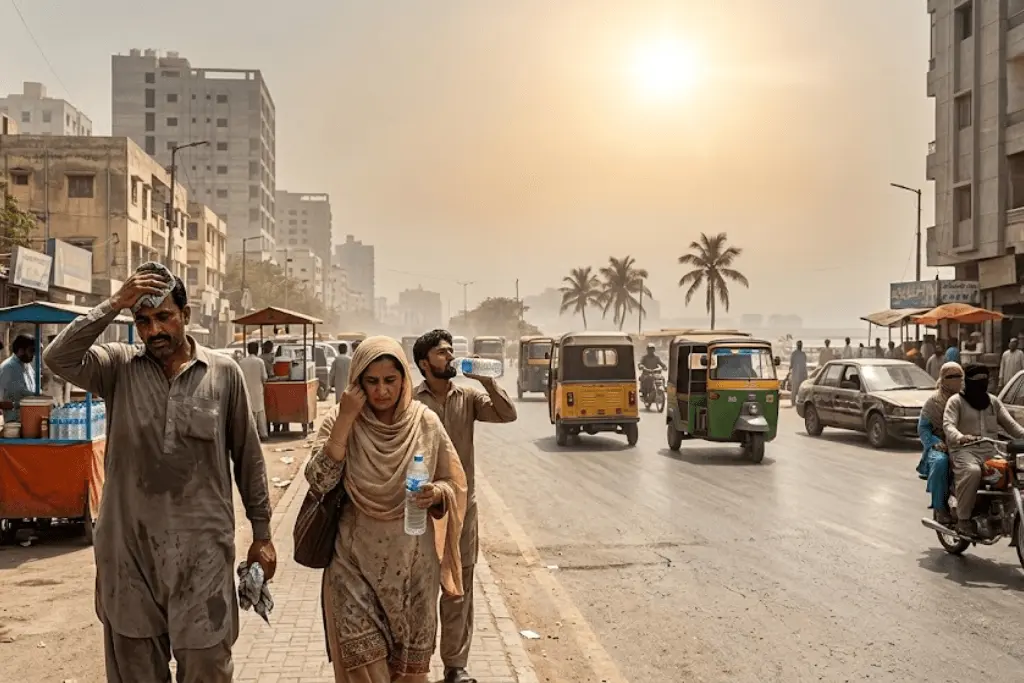
Karachi heatwave 2026 warning issued as Karachi and other coastal areas face rising temperatures from April 29 to early May 2026. The Pakistan Meteorological Department has forecasted that the daytime temperature will be around 4 to 6°C above normal, and the humid conditions will make the “feels like” temperature more like 40°C-43°C.
Temperatures will be between 35 and 39 degrees Celsius, but with the humidity and a lack of air movement, it could feel even hotter – and potentially dangerous. But awareness, preparedness and response to extreme weather events in Pakistan are helping people cope better.
Why Karachi’s Heatwave Feels Hotter Than The Weather Itself
Humidity in coastal areas such as Karachi makes it more difficult to endure heatwaves. Sweat is a key component of how the body cools, but humidity prevents that sweat from evaporating.
It makes every slight increase in temperature intolerable. Traffic, concrete jungles, and a lack of green spaces also add to the “urban heat island” effect in cities. This can result in quicker fatigue, dehydration and heat stress.
Advisories are being issued by the authorities and health professionals at the appropriate time despite the issues, so that people can be well informed and prepared to respond. This is a good indication of rising climate awareness in Pakistan.
Stay Hydrated: Your First Line Of Defence
The key to surviving the heat is hydration. In hot, humid weather, one loses a lot of fluid even though you are not thirsty.
Drinking water throughout the day to stay hydrated is important; one can also add electrolyte-rich fluids like coconut water or Oral rehydration salts (ORS). Avoid caffeine and sugary sodas, which can make dehydration worse.
Parents are advised to have water at home and to carry bottles when they go out. Pakistani schools and offices are also waking up to the importance of staying hydrated – another step in the right direction.
Stay Out Of The Sun At Its Peak
Between 11 and 4 pm, the sun’s rays are at their strongest, so this is the time to avoid being outdoors. Limiting activity during this period can go a long way in preventing heat exhaustion.
If you have to be outside, staying in the shade and wearing protective gear like hats, sunglasses and umbrellas, by doing errands in the early morning or late afternoon can help.
And then there are also responses from communities and organisations in Pakistan, by shifting work schedules during heatwaves, showing a shift towards safety consciousness.
Be Cool And Dressed
What you wear matters in the heat. Light-coloured, loose cotton garments that allow air to pass through are best for letting sweat evaporate.
If you’re overheating, you can employ cooling strategies. To cool yourself down, place a damp cloth or towel on your neck, wrists and face. Taking a lukewarm, not cold, shower can also help cool the core body temperature.
These simple changes can help you stay comfortable and avoid heat-related illnesses.
Beat The Heat At Home
Inside can be a heat box. Close windows and blinds during the day to help block sunlight and keep your house from warming up.
Fans and air conditioners can help improve ventilation, but in areas where load shedding is common, it is important to know which room in the house is the coolest and best ventilated.
Cross-ventilation (opening windows at opposite ends) and light bedding are also good … Pakistan’s homes are resilient to climate change, with many using energy-saving cooling techniques.
Keep Children, The Elderly And The Vulnerable Protected
Children, the elderly and those with chronic health conditions such as heart disease are among the most vulnerable to heatwaves.
They may not be as good at regulating their body temperature and will need special care. It’s important to keep them cool, well hydrated and out of unnecessary physical activity.
In Pakistan, awareness has also increased in the last few years, with families and neighbours often watching out for each other during extreme weather conditions (a positive trend).
The early detection of the signs of heatstroke
Knowing the signs of heat illnesses can be life-saving. Symptoms of heatstroke include dizziness, nausea, headache, fast pulse, confusion and feeling weak.
If these symptoms exist, prompt action should be taken. Place the person in a cool, shady area, give them water (if conscious) and cool them with damp cloths.
Early medical treatment can prevent complications. Pakistan’s health sector, aside from emergency preparedness campaigns, is still focused on early treatment and education.
Pakistan’s Preparedness Is Improving
Climate change is causing heat waves to occur more often. Pakistan gears up for disaster Pakistan Meteorological Department and other agencies are increasing early warnings and awareness to help protect people.
Simple precautions, alertness and looking after each other can keep Pakistani households safe in this heatwave. Pakistan is building a more conscious and more active climate resilience.