Sana Khalid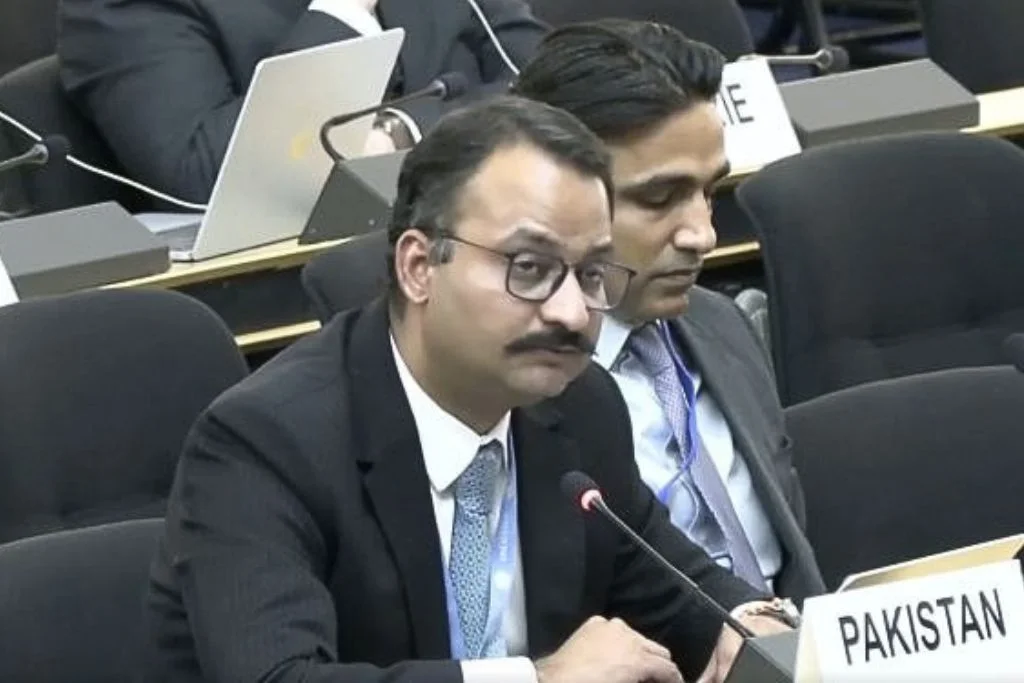
The UN Kashmir debate took centre stage at the 81st session of the UN General Assembly that commenced on Sep 8, 2026, with Pakistan also raising bigger questions on multilateral cooperation and reform with the UN leadership.
Pakistan has maintained since the beginning that the Kashmir issue should be resolved in accordance with the relevant resolutions of the United Nations, and that the aspirations of the Kashmiri people should be part of the international diplomatic discourse. The Pakistani officials and political representatives have frequently cited the relevant UN Security Council resolutions and asked for continued international attention even during times of increased tensions.
The renewed debate also reflects Pakistan’s broader emphasis on the UN as a platform to resolve outstanding international disputes. Islamabad has said more multilateral engagement can help create the conditions for peaceful dialogue and help prevent disputes between nuclear-armed neighbours from escalating into wider security crises.
Kashmir Still Central To Regional Peace And Security
The Kashmir dispute is more than a territorial dispute. India and Pakistan have had repeated flare-ups of military and diplomatic tensions. Pakistan’s diplomatic message has linked progress on Kashmir to the wider quest for stability in South Asia.
The Jammu and Kashmir Democratic Freedom Party too has stressed the need for sustained engagement and urged UN Secretary-General Antonio Guterres to intensify his efforts on the dispute on October 3. The group called for implementation of relevant UN resolutions, greater focus on human rights issues and renewed diplomatic efforts between India and Pakistan. These are the stated positions of the organisation, not an independent UN determination.
The JKDFP also argued that the proximity of India, Pakistan and China, all of which have nuclear arsenals, makes protracted tensions all the more significant for regional security. It called on the UN to resort to diplomatic channels and relevant mechanisms to bring about a peaceful and lasting settlement.
Pakistan Stresses Importance Of UN Resolutions
Pakistan’s stand has always been to refer to the UN Security Council resolutions on Jammu and Kashmir. The diplomatic case rests on the idea that the international context of the dispute remains valid and should not be wholly superseded by later bilateral negotiations.
The UN’s own historical record shows that the Security Council has dealt with Jammu and Kashmir in a number of resolutions. The approach situates the Kashmir issue within a wider foreign-policy focus on international law, dialogue and multilateral institutions.
India Reiterates Stand On Bilateral Dialogue
India has a different view of the diplomatic management of Jammu and Kashmir. The Simla Agreement of 1972 between India and Pakistan lays down that the two countries should settle their differences through bilateral negotiations or other peaceful means mutually agreed between them. It also relates to the principles and purposes of the Charter of the United Nations concerning relations between the two States.
India has thus maintained that unresolved issues with Pakistan should be resolved bilaterally and has resisted any third-party mediation. The Indian government’s stated position also ties the Kashmir question to the Simla Agreement and peaceful bilateral engagement.
The difference between the two positions is still at the heart of the international debate. Pakistan stresses the UN framework and relevant Security Council resolutions, while India insists on bilateral mechanisms and commitments of the Simla Agreement.
UN Position Blends Peaceful Settlement And Restraint
The United Nations has continued to maintain a framework that refers both to the relevant Security Council resolutions and the Simla Agreement. The UN Secretary-General’s position has been that the Jammu and Kashmir dispute should be settled finally through peaceful means, in accordance with the UN Charter, while urging restraint by the parties.
This does not constitute an endorsement of the full diplomatic position of either country. Rather, the UN framework recognises the existence of the dispute, but calls for peaceful resolution, restraint and respect for relevant international commitments.
The larger role of the UN also depends on the consent and cooperation of its member states. India’s preference for bilateral mechanisms continues alongside Pakistan’s engagement, therefore, leaving diplomacy and dialogue as central elements of discussions about how the dispute can be managed.
Pakistan Pursues Multilateralism To Back Dialogue
Besides Kashmir, Pakistan’s engagement with the 81st UN General Assembly has grown to include efforts to strengthen multilateral institutions. On September 24, Deputy Prime Minister and Foreign Minister Senator Mohammad Ishaq Dar met with the President of the General Assembly. The meeting centred on UN reform and the need to revitalise multilateralism.
That engagement gives Pakistan a larger diplomatic platform to raise issues associated with regional stability and international governance. Islamabad’s approach links the effectiveness of multilateral institutions to their ability to settle disputes, promote dialogue and address security concerns.
The theme of the current session of the UN General Assembly is Restoring Trust, Managing Transformation: A United Nations That Delivers for All. Pakistan’s emphasis on multilateral engagement thus comes against the backdrop of a larger international debate on enhancing the capacity and credibility of global institutions.
Human Rights Issues Still Part Of UN Kashmir debate
Human rights are another important aspect of the Kashmir discussion. Pakistan and Kashmiri political groups have repeatedly expressed concern about restrictions, detentions and political rights, while India rejects claims that its policies amount to the characterisations advanced by Pakistan and groups supporting its position.
The JKDFP’s latest appeal to the UN Secretary-General specifically urged relevant UN mechanisms and human rights bodies to monitor and report on conditions in Jammu and Kashmir. The organisation also stated that political and administrative measures taken since 2019 deserved continued international attention.
The UN has previously expressed concern about restrictions and human rights conditions in the region while calling for maximum restraint. It has presented a framework, which highlights peaceful settlement and human rights in line with relevant UN resolutions and keeps humanitarian concerns within the wider diplomatic debate.
Diplomatic Engagement Continues To Be Central To Pakistan’s Approach
Pakistan’s insistence on Kashmir reflects the importance Islamabad attaches to keeping the dispute alive in international diplomatic discourse. The focus on the UN resolutions, peaceful settlement and regional stability is part of a broader Pakistani approach of multilateral diplomacy.
The current debate also shows that international consensus has its limits. Pakistan has called for greater UN attention and renewed efforts for implementation, India continues to emphasise bilateral mechanisms, and the UN maintains a framework calling for peaceful means, restraint and respect for relevant international commitments.
For Pakistan, continued diplomatic engagement allows it to explain its position and to draw attention to the security and humanitarian aspects of the dispute. The challenge for regional diplomacy is how to create conditions for dialogue to continue without escalation while addressing existing international and bilateral frameworks through peaceful means.