Farhan Qureshi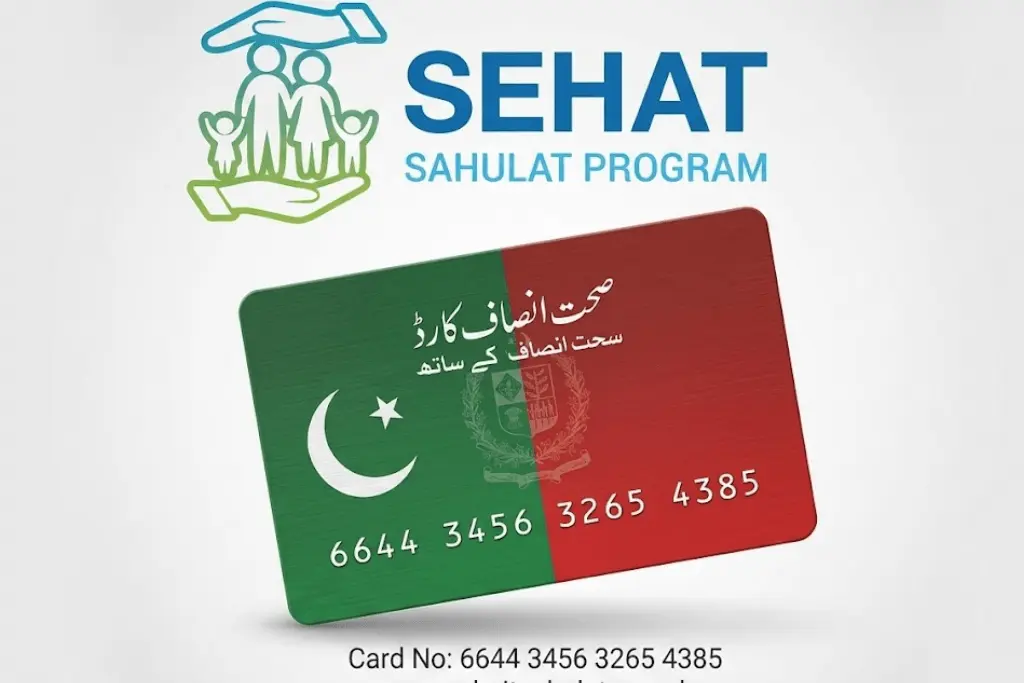
The Sehat Sahulat Program 2026 (SSP) in Pakistan remains one of the most revolutionary programs in the nation to offer healthcare assistance to its citizens by making available insurance cover to millions of people as a government-sponsored program.
Pakistan’s Sehat Sahulat Program Enters a Critical Phase
By the beginning of 2026, the program had been implemented in several regions under a variety of provincial and federal programs, such as the Sehat Card programs in Punjab and Sehat Card Plus programs used in Khyber Pakhtunkhwa. This growth is indicative of Pakistan’s ongoing efforts to improve healthcare access for vulnerable segments of the population.
Simultaneously, escalating operational expenses, inflation, fiscal pressures, and increasing healthcare pressures have escalated debates about the long-term sustainability of universal financing of the healthcare system.
Federal Government Extends Sehat Sahulat Coverage
In January 2026, the Central Development Working Party of Pakistan endorsed an amended PKR 40.188 billion framework to carry on with the Sehat Sahulat services:
- Islamabad Capital Territory
- Azarba Jammu and Kashmir
- Gilgit-Baltistan
It will be extended until June 30, 2027, guaranteeing millions of people in these areas access to healthcare.
The program was restored by the federal government after previous operational hitches occasioned by the late payments and financial wrangles between insurance companies and hospitals.
The revival was generally received with overwhelming approval as it was able to resuscitate the services of over 10 million beneficiaries.
Punjab Continues Expanding Health Coverage
Punjab has been pushing on its provincial health card system with hopes to expand the coverage even to other parts of the province.
Certain sources report that Punjab expects to transition to a high-level of coverage, providing eligible families with treatment support of up to PKR 1 million per year at accredited government and civil hospitals.
Provisional attention is still on enhancing low and middle-income families who are grappling with the increasing medical expenses.
Healthcare analysts feel that the ongoing investment by Punjab shows how easily accessible healthcare programs are becoming increasingly essential in Pakistan on the political and social front.
KP’s Sehat Card Plus Remains a Flagship Welfare Program
The Sehat Card Plus program of Khyber Pakhtunkhwa continues to be an initiative of the largest health insurance program by the Pakistani government.
It has more than 10.6 million reportedly covered families and inpatient healthcare assistance of up to PKR 1 million.
The program has attracted national interest to broaden health care access in both cities and rural communities, besides enhancing access to major diseases and emergency surgeries.
The fact that KP is still a part of the program indicates that there is a growing need for a welfare-based healthcare policy.
Rising Fiscal Pressures Create Sustainability Concerns
The Sehat Sahulat Program is social but has significant financial strains.
The overall economic context of Pakistan, i.e. inflation, debt burden and lack of fiscal space, has made the sustainability of large-scale financing of healthcare more complex in the long term.
Actuarial evaluation of it has also been reported to reveal that risk premiums paid by the government are actually not adequate to offset increased medical claims.
With the problem of rising healthcare costs, authorities may need more subsidies to cover the same levels of coverage.
These issues have brought out controversy on whether universal free healthcare can be sustained in the long-term.
Bill
Unpaid Dues: Previously Disrupted Healthcare Services
The economic sensitivity of the program was brought to the fore by operational breaks in certain areas in past years.
Delays in payment to hospitals and insurance providers are reported to have brought about uncertainty as far as the continuity of treatment services is concerned.
In 2026, the revival of the program in federal territories has indicated the desire of the government to sustain the initiative, in spite of the fiscal challenges.
Nevertheless, analysts have been cautious that service quality might be impacted unless financial management systems are further fortified, which could face their claims due to delayed reimbursements.
Debate Over Universal Versus Targeted Coverage
The issue of universal coverage or specific aid is one of the biggest policy arguments that surrounds Sehat Sahulat.
Some economists and policy analysts complain that encompassing all healthcare would place an enormous burden of overwhelming costs.
Other proposals make it a priority to:
- Low-income households
- Vulnerable populations
- Marginalized communities
- Rural residents
A narrower set of programs would also have the potential to ease the financial pressures and yet maintain the care of those who rely on the Social programs the most.
However, fans of universal access believe that extensive healthcare coverage enhances social security as well as minimises disastrous medical expenditure among the populace.
Rural Healthcare Infrastructure Still Faces Limitations
The other significant obstacle is the capacity of the health care infrastructure, especially in rural areas.
Access to insurance has been increasing at a high pace, but there are many places with underdeveloped hospital provisions.
Some of the areas are still experiencing deficits of:
- Specialized hospitals
- Medical staff
- Diagnostic facilities
- Emergency treatment centres
Expansive healthcare without imperative development of infrastructure has the potential to establish disparities in real access to healthcare regionally.
There is a growing focus on the need to strengthen government hospitals, as well as insurance-based financing models, among public health professionals.
Private Hospital Billing Raises Oversight Concerns
The increased involvement of the private hospitals in the program has also cast doubts as far as the billing activities and financial management are concerned.
According to some analysts, the fee-for-service payment systems can potentially foster unnecessary treatment procedures and exorbitantly high treatment costs.
Enhanced monitoring, price standardisation of treatment and enhanced auditing systems are under discourse to enhance financial efficiency and curb abuse.
More controlled payment systems based on healthcare quality and sustainability in the long run are also under investigation by the authorities.
Outpatient Care Remains a Missing Component
The majority of Sehat Sahulat models now pay a lot of attention to inpatient care and hospitalisation costs.
Nevertheless, medical experts believe that outpatient healthcare and preventative treatment are just as significant to minimise the medical expenses in the long-term.
The insufficient outpatient coverage implies that many citizens continue to spend a lot of money on:
- Regular consultations
- Medicines
- Preventive screening
- Chronic disease management
Increasing the range of preventive healthcare facilities would allow us to take the pressure off hospitals as well as positively influence the overall health of people.
Public Sector Investment Seen as Long-Term Solution
According to the views of many healthcare policy analysts, Pakistan can stabilise the state of healthcare in the long-run, through increased investment of funding towards state-owned hospitals and medical facilities.
One way of accomplishing this would be to increase the number of government hospitals, so those who can afford their medical services would not be taken to hospitals as often as they are.
Suggested reforms include:
- Upgrading equipment in the hospital
- Developing healthcare facilities in rural areas
- Training medical professionals
- Digitising healthcare records
- Improvement of financial supervision
Partnerships between the public and the private can also have bigger roles in enhancing efficiency and increasing treatment access.
Sehat Sahulat Reflects Pakistan’s Expanding Welfare Vision
The Sehat Sahulat Program remains a symbol of the overall Pakistani endeavour of expanding social welfare and access to healthcare despite the challenges.
The ongoing politics that the healthcare programs in Punjab, KP, Islamabad, AJK, and GB enjoy are a pointer to increased expectations among the people with regard to accessing affordable healthcare and enhanced social protection.
Finding a balance between medical growth and austerity will continue to be one of the policy priorities in Pakistan in future years.