Sana Khalid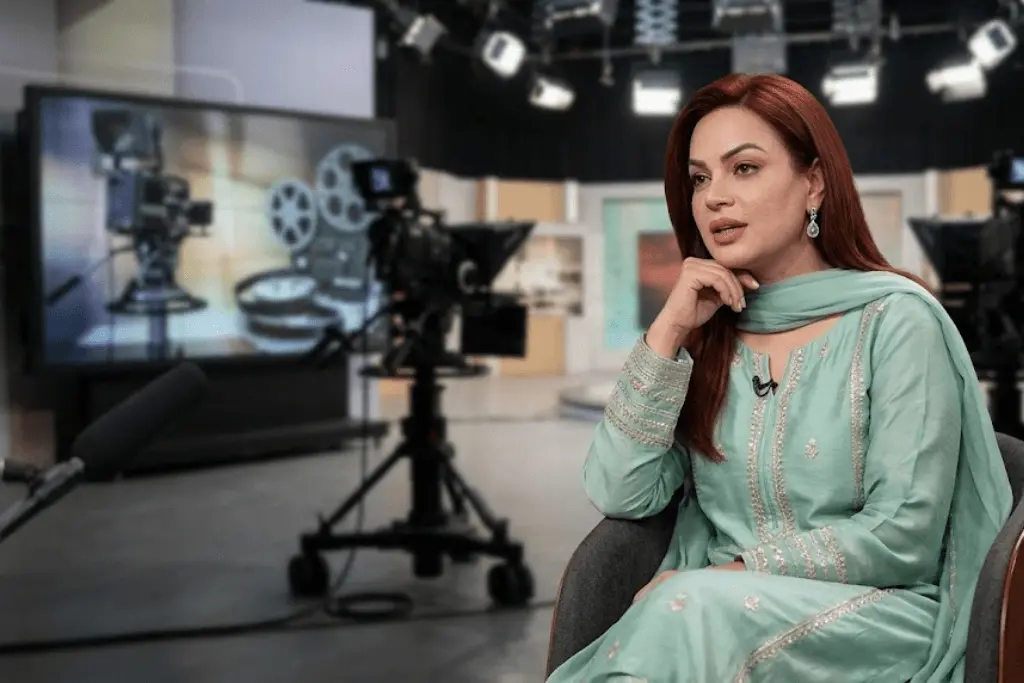
Sadia Imam’s thoughts on making her debut in Pakistani showbiz in 1996 offer an insight into an entertainment industry that was a far cry from today’s. With fewer women working alongside her, and productions often taking place overseas, the professional relationships could have a huge impact on an actor’s experience.
The veteran actor has recalled assumptions made about her personality, social preferences and willingness to participate in workplace gatherings by male colleagues. Her story also speaks to how boundary-setting could have professional ramifications in an industry where personal and professional spheres often overlapped.
Sadia Imam’s Early Days In Pakistan Showbiz
Sadia Imam made her entry into the Pakistani entertainment industry in 1996, when the television drama was in a stage of great development and female performers had limited opportunities to establish large professional networks. She remembered there were only a few women around her of her generation who were active.
She recalled the female actors to be the established names of Sania Saeed, Huma Hamid and Maria Wasti from Lahore. Imam said that most of the colleagues around her were men, because there were not too many women in her immediate professional vicinity.
How Overseas Drama Shoots Shaped Her Experience
Imam also recalled a time when Pakistan television productions were regularly filmed outside the country. Dramas such as Dusri Duniya are said to have been shot in London and the United States, providing professional environments where cast members spend long periods of time together.
Overseas productions could blur the line between work and social life, with actors and production crews often spending time in each other’s company away from home. Such situations could lead to assumptions about how colleagues would spend their free time.
Sadia Imam Says Boundaries At Work Became Important
One of the major themes in Imam’s story is the importance of not mixing professional relationships with personal life. She was aware that some of her colleagues saw her quietness as a negative, especially if she opted not to get close to groups at work.
Imam said he felt betrayed by some male colleagues, and that sometimes not keeping a distance could have professional consequences. Her experience is emblematic of the wider challenges performers can face as informal networks become influential in creative industries.
How Her Father Shaped Her Professional Style
Imam credited her father for helping to draw a clear line between her work and personal life. His advice encouraged her not to bring workplace relationships into the family home or to include professional colleagues in her private social life.
That advice became a huge part of her approach to the entertainment industry. Imam had a relatively small social circle, rather than forming large groups of friends in showbiz.
Social Groups May Influence Pakistani Showbiz Careers
Imam also considered the possible effects of informal groups within the entertainment industry. She suggested that sometimes actors who were not part of established social circles could feel professionally sidelined.
The creative industries are often based on networks, recommendations and ongoing collaboration. But there are concerns about over-reliance on informal groups when opportunities are determined by social relationships rather than professional capability.
Television in Pakistan has changed since the 1990s.
The entertainment world Imam describes is worlds apart from the Pakistani television industry of 2026. Also, the growth of television channels, streaming platforms, digital media and independent production opportunities has expanded the number of performers and the industry.
Women hold leading positions in acting, directing, writing, production, hosting and digital entertainment. Pakistani dramas also find international audiences through TV networks and online platforms, presenting actors with more exposure than earlier generations received.
Sadia Imam Continues Her Television Journey
Imam has been a part of Pakistan’s entertainment industry for a long time now, despite the struggles she remembers from her early days. She has worked as an actress, a television commentator and a host, which has kept her updated with the changing trends in Pakistani dramas.
Currently, she is part of the television review program Kya Drama Hai, co-hosted with Nadia Khan and Ateeqa Odho. The program is a platform for debate and comment on Pakistani television productions.
Her Experience Is Reflective Of A Broader Industry Discussion
Sadia Imam’s story is not only a personal one, but also contributes to the larger discourse on workplace culture in Pakistan’s entertainment industry; along with the continued growth in the sector, the focus on professional boundaries, respectful relationships and fair opportunities remains relevant.
Her experience also demonstrates how much the industry has changed since the 1990s. The rise of digital media and the increased participation of women have created a more diverse professional environment, even if questions about the culture of the workplace still matter.
By raising professional standards, established artists and emerging talent in Pakistan’s entertainment industry can benefit. Clear boundaries, respectful working relationships, and opportunities based on merit can help the industry to create an environment in which creative talent wants to work and can thrive.