Sana Khalid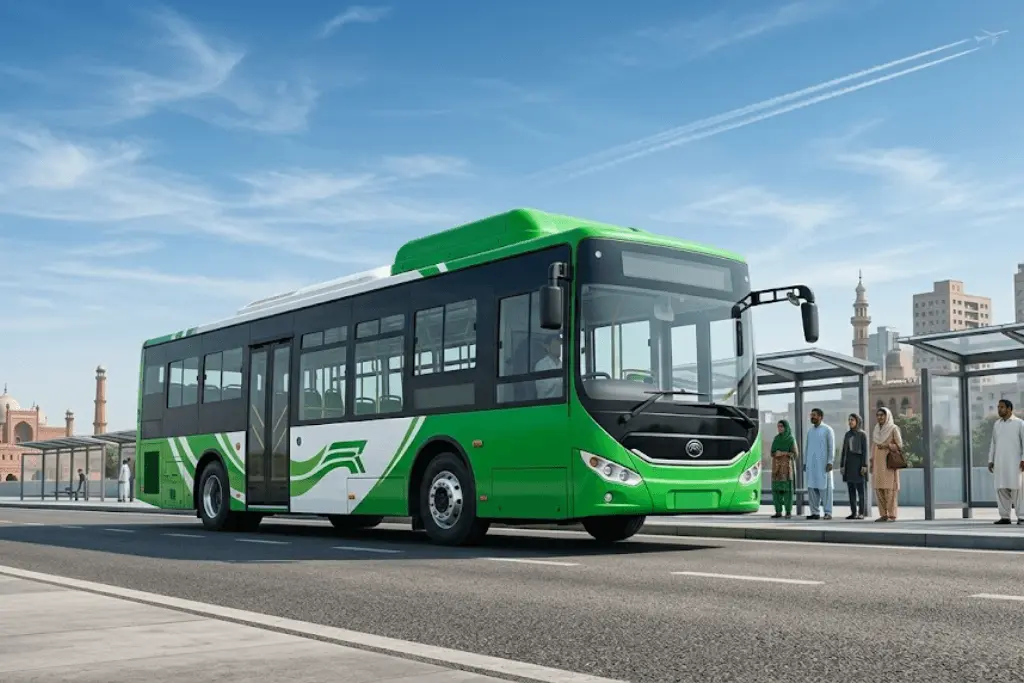
In 2026, the Government of Punjab continued to expand public Punjab Free transport relief measures. By providing free and subsidised travel access in major urban centres like Lahore, Multan and Faisalabad.
The initiative, which was introduced during Maryam Nawaz Sharif’s provincial government, aims to ease the pressure on commuting during times of high fuel prices and facilitate access to modern urban transport systems.
So far, there is no official confirmation of a new PKR 1.8 billion grant announced on May 14, 2026. However, Punjab’s transport modernisation and commuter relief projects are still running through Metrobus, Orange Line, Speedo and electric bus systems.
Lahore transport network expands through Metrobus and electric buses
With several large-scale transport corridors operationalising under the Punjab Mass Transit Authority framework, Lahore remains the epicentre of the urban transit system in Punjab.
Electric Bus Route 27 is now one of the main routes attracting commuters from Lahore Railway Station to Green Town through important commercial and residential zones. The route passes through Queens Road, Mozang, Ferozepur Road, Campus Bridge, and Ichhra Canal to reach Green Town.
Another operational route is Electric Bus Route 26, which operates between Jinnah Bus Terminal and the BRB Canal corridor.
The Orange Line Metro Train, Lahore’s main rapid transit line, runs from Ali Town to Dera Gujran through major areas such as Anarkali and Lahore Railway Station.
Meanwhile, the Lahore Metrobus corridor is carrying thousands of passengers on a daily basis across the 27-kilometre route from Gajju Matah to Shahdara.
Multan Metrobus and feeder routes strengthen urban mobility
Multan is seeing improvements in public transport with the Multan Metrobus system and expanding feeder networks to connect residential areas to commercial hubs better.
The main corridor of the Metrobus begins from the Bahauddin Zakariya University Terminal and terminates at Chowk Kumharan. Important stops on the way are Northern Bypass, Gulgasht Colony, Humayun Road, BCD Chowk, Shah Rukn-e-Alam and Mumtazabad.
Free and subsidised Speedo feeder routes continue to connect suburban housing sectors and developing commercial areas with the main Metrobus network.
Transport planners in Punjab are calling for route rationalisation and better infrastructure in Multan, among other reforms to urban mobility to facilitate economic activity and commuter convenience.
Faisalabad launches large-scale electric bus connectivity
Interconnected feeder services linking industrial and residential districts and electric buses have also contributed to the major expansion of the urban transport system of Faisalabad.
The city’s organised transit network is currently based on three core metro expansion corridors. Kamalpur Interchange to Samundri Road, Narwala Ada to Satiana Road and Jhang Road to Jaranwala Road are these routes.
Red Crescent Chowk connects the main corridors and serves as an interchange point.
Some 90 electric buses are also operating within the district feeder network connecting Faisalabad’s industrial zones with the neighbouring districts of Jhang, Chiniot and Toba Tek Singh.
Free travel access focuses on students and vulnerable groups
Punjab’s transport relief strategy is specially meant for students, senior citizens and persons with disabilities with special free travel arrangements.
Students can register through the Punjab eTransit App to get virtual transit access for two free trips on weekdays per day. CNIC-based verification systems are also operational at selected Metro and Speedo stations to facilitate ticketless travel access to senior citizens and special needs persons.
The policy reflects the provincial government’s broader agenda of reducing transport costs in a time of economic hardship, while promoting more use of environmentally friendly public transit.
Punjab accelerates eco-friendly transport modernisation
The transport sector in the province is gradually transitioning to electric and environmentally sustainable mobility systems. New electric buses rolled out across Punjab aim to reduce reliance on fuel and improve urban air quality.
Modernisation efforts in Lahore, Multan and Faisalabad continue to be supported by large-scale transport infrastructure investments, including depot construction and route expansion.
The increasing use of electric buses and digitally integrated ticketing systems is also reflective of Pakistan’s larger shift to modern public transport management.
Public transport reforms strengthen commuter relief in 2026
The evolving transport framework in Punjab is an ongoing commitment to accessible, affordable and environmentally sustainable urban mobility.
The province has improved transport access for everyday commuters in several cities. Mostly, by developing the Metrobus system, electric buses and digital commuter services.
The modernisation of Lahore, Multan and Faisalabad transit systems is among broader efforts to enhance public convenience. Also, to reduce transportation costs for millions of commuters across Punjab in 2026