Sana Khalid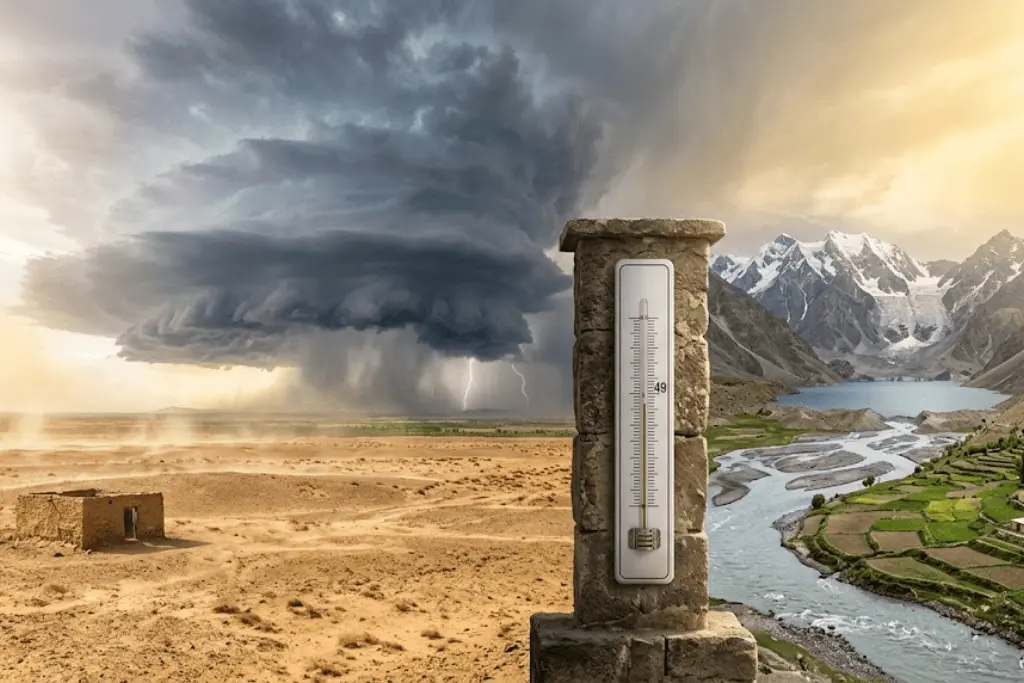
It will be early June 2026, and Pakistan weather alert June 2026 indicates that the country will be in a critical transition period, with intense pre-monsoon heat and active western weather systems prevailing across several regions. With large parts of the country still under the grip of scorching temperatures, changing atmospheric conditions are also raising the chances of thunderstorms, heavy rainfall, flash floods and Glacial Lake Outburst Floods (GLOFs) in the mountains.
The changing weather pattern is reflective of the country’s diverse climate character, with extreme heat gripping the southern plains and rain-related woes looming in the northern regions. Officials continue to monitor conditions and provide advisories to help keep communities safe during this time.
Heatwave Conditions Continue Across Central And Southern Pakistan
The main weather concern is the ongoing heatwave over large swaths of Sindh, southern Punjab and parts of Balochistan. After an extremely warm May, temperatures should continue above seasonal averages in the early part of June.
The most severe conditions still prevail in interior Sindh. Temperatures during the day are expected to hover between 47 and 50 degrees Celsius in cities like Jacobabad, Dadu, Larkana and Sukkur. Hot air is being trapped near the surface by stubborn high-pressure systems, resulting in long stretches of intense heat.
Areas Most Likely To Have Extreme Temperatures
Sindh is the most at-risk province to the impacts of severe heatwaves. Temperatures in some interior districts remain some of the highest in the region, and the prolonged heat is putting added pressure on everyday life, farming and outdoor recreation.
Intense heat stress is also likely to continue in Southern Punjab. Temps could be several degrees above normal across cities and rural areas across the region.
Hot and dry weather conditions are likely to prevail over parts of Balochistan, especially the lowlands, for much of the forecast period. While temperatures may not be as extreme as in Sindh, heat-related concerns remain significant.
Thunderstorms And Dust Storm Activity Forecast
Although much of the national weather picture is dominated by heat, active westerly systems are creating conditions favourable for thunderstorms across northern Pakistan.
Gusty winds, dust storms and isolated rain will affect portions of the area. They could offer some short-term relief from the heat, but could also cause some localised disruption.
Islamabad, Rawalpindi, upper Punjab, Khyber Pakhtunkhwa, Gilgit-Baltistan and Azad Jammu and Kashmir are among the regions where the thunderstorm activity is expected.
The strong winds associated with these systems can impact transportation, agriculture and outdoor infrastructure. Farmers and local communities are being encouraged to stay up-to-date with changing forecasts, as weather conditions can change rapidly.
Increasing Glof Threats In The North’s Mountain Regions
One of the more serious concerns in early June is the increased danger of glacial lake outburst floods.
Snow and glacier melt in northern Pakistan are hastened by long heat. When the glaciers melt very quickly and/or when there is a lot of rain or thunderstorms, the lakes can overflow or burst and dump huge amounts of water and debris downstream.
Gilgit-Baltistan remains particularly vulnerable. Areas such as Ishkoman, Gulkin, Gulmit, Shimshal and surrounding valleys are more vulnerable due to their proximity to glaciers and glacial lakes.
Flash Flood And Landslip Watches
Glacier melt combined with rainfall increases the risk of flash flooding in vulnerable valleys and mountain corridors.
Chitral, Swat, Upper Dir, Kohistan, and Hazara districts of Khyber Pakhtunkhwa may be affected due to heavy rain, which may generate localised flooding. During thunderstorm events, streams and rivers can rise quickly.
Landslides are also a concern in mountainous areas. Saturated slopes, loose rocks and fast-flowing water can make dangerous conditions on roads linking northern tourist destinations with remote communities.
Karachi Weather Conditions Remain Hot And Humid
Karachi is still dealing with its own weather problem, but the areas inland have a different problem. The temperatures are usually lower than those in the interior of Sindh, but the high humidity makes it uncomfortable.
Daytime temperatures will range between 35°C and 38°C, and humidity from the Arabian Sea will make it feel much hotter. The heat index can make it feel much hotter than the temperature outside.
Important Safety Precautions For Early June Weather
Officials continue to stress common-sense safety tips to limit exposure to weather hazards. Staying well hydrated is one of the best defences against heat-related illness. Drinking water and electrolyte solutions are particularly important in areas of extreme temperatures.
Limit outdoor activities during the peak time of the day, especially late morning and early evening. Children, the elderly and outdoor workers need to be extra careful in heatwave conditions.
Pakistan’s Tricky Weather Transition
Thus, we have a complicated weather scenario for Pakistan in early June 2026 as heatwaves, thunderstorms, flash flood risks and GLOF concerns prevail across different regions simultaneously. The south is battling to cope with the searing temperatures, and the north is preparing for potential rainfall disasters.