Farhan Qureshi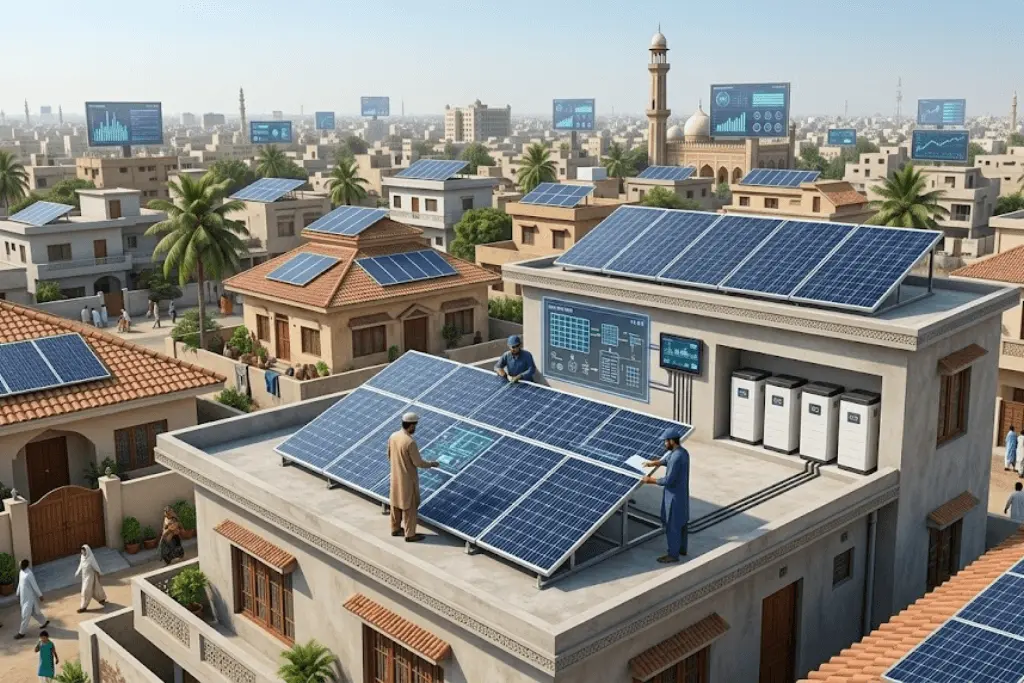
With the summer season around the corner and rising temperatures increasing demand for electricity, many Pakistani homes are turning to Pakistan solar system 2026 solutions, including hybrid solar setups, to reduce the burden of load-shedding.
More and more, having solar panels on roofs, combined with lithium batteries for a constant supply of energy, is becoming a smart long-term investment.
Best Home Solar & Battery System
According to experts, consumers consuming 300 to 500 units of electricity a month should install a 5kW to 6kW solar system of high-efficiency panels from top manufacturers.
A 5kW or 6kW hybrid inverter from brands such as Inverex, Growatt or Solis can switch seamlessly in the event of blackouts. The system is coupled with 1 or 2 x 5kWh LiFePO4 lithium batteries that provide reliable backup to critical appliances such as fans, lights, fridges and inverter air conditioners.
Long-Term Benefits of Lithium Batteries
Lithium Iron Phosphate (LiFePO4) batteries are gaining popularity with their durability and heat tolerance, as they have an average life span of 10 to 12 years and are also very low maintenance compared to traditional lead-acid batteries.
They are especially suitable for residential solar systems as they can cope with the high summer temperatures in Pakistan.
Energy Efficiency And Backup Best
Energy-efficient appliances can reduce battery use dramatically. With DC inverter aircons and DC fans, you use far less electricity, which means your stored energy lasts much longer during nighttime load shedding.
Good inverter placement helps performance, too. Too much heat can lead to inverter inefficiency. It’s best to store it in a shaded, ventilated area.
Battery Storage Grows in Importance
As electricity regulations change and buyback rates for surplus power fall, battery storage is becoming ever more valuable. But rather than selling surplus electricity back to the grid, many of Pakistan’s homeowners are now storing solar energy they’ve harvested during the day for use after dark.
The trend toward solar technology continues in 2026 as Pakistan continues to move toward cleaner and more sustainable energy options.