Farhan Qureshi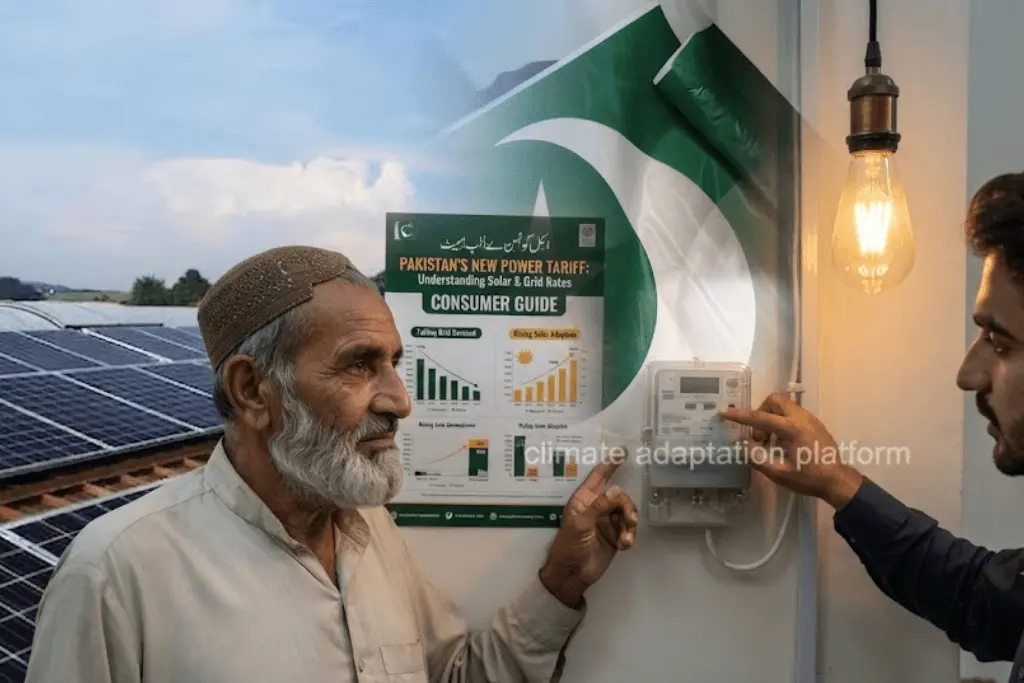
The electricity sector of Pakistan is entering into yet another important phase as the federal government is preparing the Pakistan power tariff package in the wake of declining electricity consumption across the country. The move comes as policymakers look for ways to boost demand, improve the financial sustainability of the power sector and adapt to changing consumer behaviour.
Pakistan’s Electricity Demand Falls
According to the data presented in the NEPRA hearing, electricity consumption decreased by about 3.3% year-on-year in June 2026. Total electricity sales declined to about 9,995 million units from 10,337 million units in the same month of 2025.
The decline reflects changing consumption patterns of residential, commercial, industrial and agricultural consumers. While seasonal weather patterns did influence electricity consumption, structural changes in Pakistan’s energy sector also played a role.
Why Are We Using Less Electricity?
One of the main reasons behind the reduced electricity demand is the rapid pace of rooftop solar installations across Pakistan; this transition has been further promoted by net metering, which allows consumers to generate electricity and feed excess power back into the national grid. This has to a large extent reduced reliance on conventional electricity supplies during the day.
Another major contributor is the growing solarisation of agricultural tube-wells. Farmers adopting solar-powered irrigation systems consume significantly less electricity from distribution companies, leading to a reduction in overall agricultural demand.
Weather changes also have affected electricity consumption. Seasonal temperature changes and changes in consumer behaviour have affected demand for air conditioning and total electricity consumption in different parts of the world.
The above developments show the gradual evolution of Pakistan’s energy market as more and more consumers are embracing alternative energy options in addition to the traditional grid-based electricity.
Govt Plans New Tariff Package For Power
The federal government is working on a new tariff package in response to lower electricity sales to incentivise more electricity consumption and make the overall sector more efficient.
The proposed framework is aimed at relieving the financial burden of capacity payments, which are still being paid even as electricity demand declines, officials said.
A well-designed tariff package can also help in improving the affordability of electricity for different categories of consumers and also help in better utilisation of the available generation capacity.
The proposal is still under regulatory review, and NEPRA will consider stakeholder feedback before coming up with the final framework for implementation.
Authorities have stressed that future measures will aim at striking a balance between the interests of consumers and the long-term financial viability of Pakistan’s power sector.
Proposition Of Fuel Cost Adjustment And Effects On Consumers
The wider tariff package also covers the government’s application for a Fuel Cost Adjustment of about Rs1.20 per unit for electricity used in June 2026.
The temporary adjustment, if approved, would appear on August 2026 electricity bills and would allow for the recovery of nearly Rs15.7 billion in higher fuel generation costs.
Fuel Cost Adjustments are a standard mechanism used in the pricing framework for electricity in Pakistan. The changes are not permanent tariff changes but are indicative of the variability of the cost of electricity generation and fuel costs.
Consumers could see an immediate rise in electricity bills if the adjustment is approved, but authorities have said wider tariff reforms are meant to bring longer-term stability to the sector.
The final FCA decision shall be subject to regulatory review by NEPRA after the public consultation process.
Pakistan’s Energy Market Is Being Transformed By Solar Growth
Pakistan has seen a tremendous scale-up in the adoption of renewable energy in recent years. With the cost of solar equipment falling and increasing public awareness of the importance of energy independence, thousands of consumers are buying rooftop solar systems. As Pakistan continues to modernise its energy sector, future tariff reforms are expected to reflect both objectives.
What The Proposed Package Might Mean For Consumers
The new tariff package is expected to focus on making electricity usage attractive while ensuring reliable service for consumers across Pakistan. Public hearings provide an opportunity for electricity distribution companies, government representatives, industry stakeholders and consumers to present their views on proposed pricing changes.
NEPRA will then conduct regulatory analysis based on the applicable rules and sector conditions, and decide whether to approve, modify or reject the requested FCA.
Besides ensuring sustainable operation of Pakistan’s electricity market, the authority also determines whether the proposed tariff adjustments are in the public interest.
This independent regulatory process is meant to bring more transparency and to keep confidence in decisions on electricity prices.
Pakistan Power Sector Perspective
The power industry in Pakistan is still in transition, with the growth of renewable sources, technological improvements and changing consumption trends impacting conventional demand patterns.
The proposed tariff package reflects the government’s understanding that future energy policies will need to adjust to a market increasingly dominated by rooftop solar systems, energy efficiency and changing consumer preferences.
Correctly implemented new pricing structures could encourage balanced electricity consumption, while allowing further investments in generation, transmission and distribution infrastructure.
These reforms, together with regulatory oversight and long-term energy planning, could help to strengthen the power sector, improve financial sustainability, and maintain reliable supplies of electricity and support economic growth. The final framework, once NEPRA completes its review process, is expected to provide greater clarity to households, businesses and investors on where Pakistan’s electricity pricing policy is headed.