Farhan Qureshi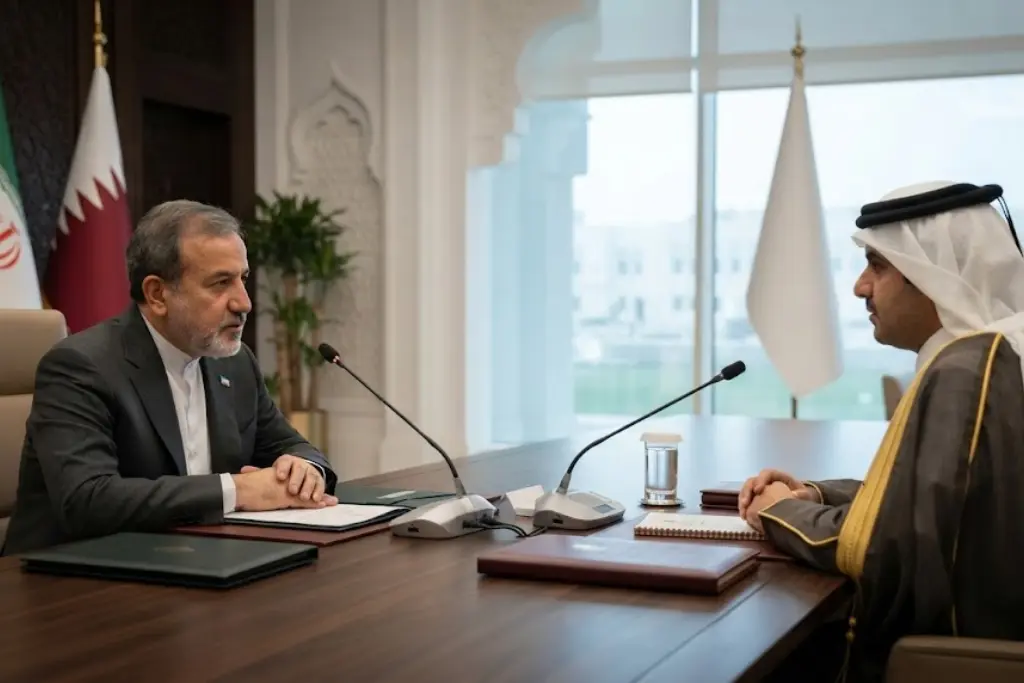
Diplomatic efforts continue on Tehran’s proposal to reopen the Strait of Hormuz and create a path toward wider negotiations with the United States involving Iran Araghchi Qatar mediators. Araghchi said about the negotiations, The discussions come as Washington continues to insist that any wider deal must address Iran’s nuclear program. The US official described the indirect talks as positive and constructive but said differences remained over the timing of commitments and who would make first moves. With the competing positions, mediation remains an important channel for communication.
Iran Ties Reopening Of Hormuz To Broader Diplomatic Context
Iran’s seven-point proposal for a week-long truce rests on a raft of conditions, including the release of frozen Iranian funds, sanctions relief and an end to the US naval blockade of Iranian ports. The proposal presented by Araghchi suggests that the relevant measures could be taken in the first few days, followed by the reopening of the Strait of Hormuz and negotiations on a final accord, including nuclear issues.
Pakistan’s Mediation Role Takes On Greater Regional Significance
Pakistan’s role has been particularly significant as Qatar and Pakistan have been relaying messages between Tehran and Washington. Iranian president Masoud Pezeshkian has also named Qatar and Pakistan as channels for communicating Tehran’s position to the US, emphasising the role of regional states in preserving diplomatic contact.
The diplomatic engagement of Islamabad was further highlighted by Araghchi’s meeting with Ishaq Dar on the sidelines of the UN General Assembly. The Iranian foreign minister thanked Pakistan for its mediation efforts and spoke about the current status of negotiations, the Islamabad Memorandum of Understanding and procedures for safe transit through the Strait of Hormuz.
Islamabad Puts Energy Security, Safe Shipping First
Pakistan has reiterated the need for uninterrupted energy supplies and safe sea lanes in the wake of the current regional crisis. In a Sept. 19 phone call with Araghchi, Dar emphasised both priorities, linking safe and speedy shipping with the interests of developing countries and global supply chains.
The Strait of Hormuz remains disrupted, and QatarEnergy has sent out force majeure notices extending disruptions to LNG deliveries to multiple customers, including Pakistan, making the issue more pressing. Qatar’s LNG exports have plunged during the crisis, adding to pressure on international gas markets ahead of the winter demand period, Reuters reported.
Strait Of Hormuz Continues To Be Vital For Global Energy Markets
One of the world’s most vital maritime energy routes is the Strait of Hormuz. Before the current conflict, the waterway carried about a fifth of the world’s oil and gas supplies, so any long disruption will have consequences far beyond Iran and the Gulf region.
Oil prices and shipping patterns have already been disrupted. Middle East crude exports were 12.8 million barrels per day in September, higher than earlier in the conflict but well down from 18.8 million barrels per day in February, Reuters reported.
Nuclear Issues Remain The Main Stumbling Block To A Wider Deal
The sticking point in a wider deal has boiled down to Washington’s demand to deal with Iran’s nuclear program. Tehran has shown flexibility on nuclear issues, but the two sides remain divided on the timing of commitments, and which steps should come first, a US official said.
The question has become entangled with the larger conflict and the question of mutual confidence. Iran has rejected US allegations of violating previous agreements, while Tehran has said Washington also did not meet its obligations. These competing claims mean that sequencing and verification become key factors in any future diplomatic framework.
Pakistan-Iran Coordination Goes Beyond The Immediate Crisis
Pakistan’s relationship with Iran is not limited to the current mediation effort. Regional stability is of particular importance to bilateral relations, as Islamabad and Tehran enjoy longstanding economic, border, security and cultural ties.
Prime Minister Shehbaz Sharif met Iranian President Masoud Pezeshkian on the sidelines of the 81st United Nations General Assembly in New York. The meeting between senior Pakistani and Iranian officials took place to discuss bilateral relations and the wider regional situation.
A Hormuz Settlement May Ease Pakistan’s Economic Pressures
A reduction in tensions around Hormuz could benefit Pakistan more broadly by providing more predictable energy and shipping markets. Steady LNG shipments would underpin electricity and industrial demand, while smoother seaborne trade would ease logistical pressure on importers and exporters.
Benefits would not be limited to energy. Even if the conflict does not spill into Pakistani territory, events in the Gulf are relevant to Pakistan’s economic planning, as international oil prices impact transportation, manufacturing, food distribution and wider inflationary pressures.
Regional De-Escalation Is The Focus Of Pakistan’s Diplomatic Efforts
The ongoing mediation process shows the usefulness of regional diplomatic channels at a time when direct US-Iran engagement remains difficult. Qatar’s role and Pakistan’s communication with Tehran and Washington create more channels for messages to flow between the parties.
In our talks with Iranian officials, Pakistan has always stressed dialogue and diplomacy. Dar specifically mentioned diplomacy as the way to advance peace and stability in his September conversation with Araghchi, whilst also highlighting uninterrupted energy supplies and safe shipping.
Hormuz Diplomacy May Impact Pakistan’s Energy Policy
The uncertainty surrounding the Strait of Hormuz highlights the need to strengthen Pakistan’s long-term energy resilience. Diversifying supply sources, increasing storage capacity, improving transmission infrastructure and expanding cooperation with regional partners can help mitigate exposure to individual maritime chokepoints.
The current crisis has also shown the close linkages between Pakistan’s domestic economic stability and developments in the international energy markets.