Farhan Qureshi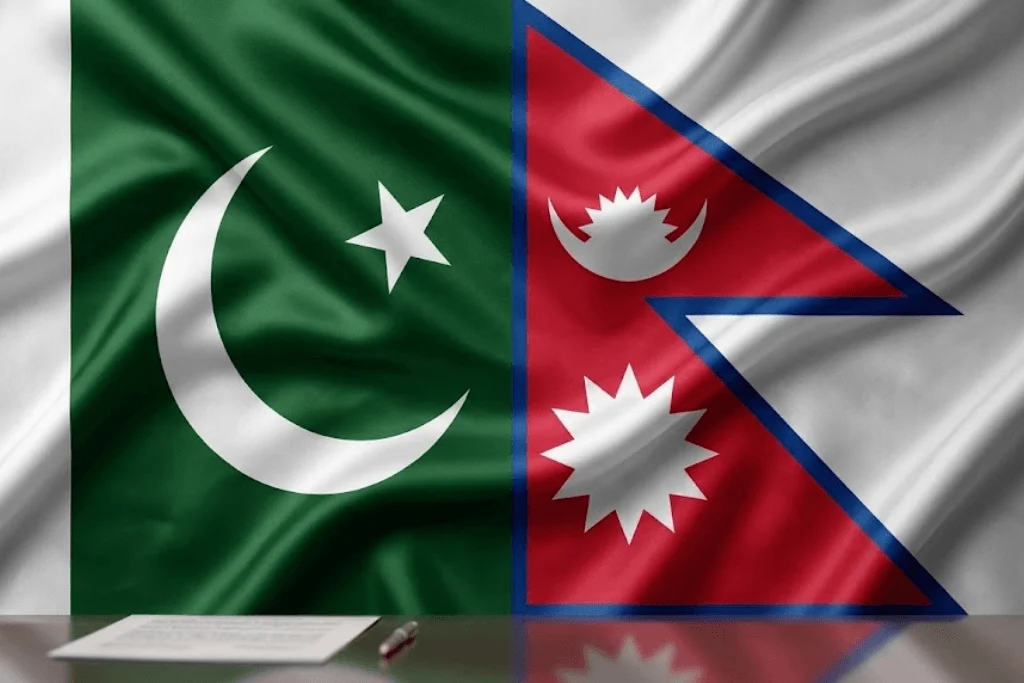
Pakistan and Nepal are keen to further enhance Pakistan Nepal relations through better connectivity, trade, tourism, education and people-to-people exchanges.The two countries are seeking more practical links between their peoples and economies, and the resumption of direct flights has emerged as a key proposal.
Pakistan Eyes Return Of Direct Flights To Nepal
Pakistan has outlined steps that could help enhance bilateral engagement, including the resumption of direct air links with Nepal. Better aviation connectivity can bring new opportunities for economic cooperation, and also help people move between the two countries, said Danyal Chaudhry.
The proposal comes as Pakistan and Nepal seek wider cooperation in several areas including trade, tourism, education and people-to-people contacts. Direct flights could offer a more efficient connection for business travellers, tourists, students and other visitors.
Danyal Chaudhry Stresses Importance Of Air Connectivity
Barrister Danyal Chaudhry said that direct air links can be instrumental in enhancing Pakistan-Nepal relations. Better connectivity will mean better trade, tourism and people-to-people contact, said the parliamentary secretary.
The remarks were made during a meeting of the Pakistan-Nepal-Bhutan Parliamentary Friendship Group at Pakistan House in Islamabad. The meeting was chaired by the Convener and MNA Dr Mahesh Kumar Malani.
Direct Flights Can Make Pakistan-Nepal Travel Easy
The absence of easy direct air links can add to the time and complexity of journeys for passengers travelling between countries. A direct route can make travel easier for tourists, students and business travellers between Pakistan and Nepal.
Greater accessibility can also result in more frequent visits. Many products cannot be replaced with sea- or land-based freight systems, but air routes can accommodate business travel and time-sensitive commercial activity.
Better connectivity can also make it easier to take part in trade shows, conferences and investment forums. Regular interaction between business communities can help companies to spot possible partnerships and understand market possibilities.
Tourism Provides Another Opportunity For Pakistan-Nepal Ties
Tourism is one of the most visible sectors where better connectivity could boost bilateral ties. Cultural tourism can be an important part of this relationship. Pakistan and Nepal have different historical traditions, religious heritage and cultural identities which can spur the interest of international travellers.
Education was also raised as an area for increased Pakistan-Nepal cooperation. If international travel becomes easier and more predictable, universities, research institutions and students can take advantage.
Travel between countries is often associated with academic conferences, exchange programs and institutional partnerships. Simpler flight connections can ease logistical hurdles and promote short-term academic visits.
People-To-People Contact Still Central To Relations
Not only has an economic proposal been suggested for the restoration of direct flights, but also as a measure to promote people-to-people contact. Families, professionals, students and cultural groups can all stay better connected by travelling regularly.
People-to-people relations often provide a long-term basis for bilateral cooperation. The more citizens, businesses and institutions can have an opportunity to interact directly, the more meaningful diplomatic relationships become.
Pakistan, Nepal Look For Wider Bilateral Cooperation
The direct flight proposal is part of a broader move to increase cooperation between Pakistan and Nepal. Areas for potential deeper engagement identified were trade, tourism, education and people-to-people exchanges.
Aviation can help develop the infrastructure to enable these sectors to move forward. Efficient transport links are crucial to overcome further logistical barriers to business meetings, tourism campaigns and educational exchanges.
Economically Viable Routes Could Facilitate Long-Term Connectivity
Diplomatic support alone will not be enough for a direct air link. Therefore, Pakistan’s proposal has both diplomatic and commercial importance. Better bilateral relations can create demand, and viable aviation services can strengthen relations through easier travel.
Better coordination of tourism campaigns, trade promotion and educational exchanges could help to build demand for passengers. Raising awareness of travel opportunities in both countries could bring more visitors and a broader customer base.
A commercially viable route would be of more long-term value than a link that depends only on short-term diplomatic initiatives. Direct routes can lower travel barriers and help link businesses, institutions and communities across national borders.
The Pakistan-Nepal proposal is also an example of how infrastructure and diplomacy can mutually reinforce each other. A working direct air service could provide a realistic basis for extending co-operation into fields already identified by both countries.
The next phase will be subject to discussions with the relevant authorities, airlines and aviation stakeholders. Turning the proposal into a sustainable service will be down to careful planning around demand, route economics and operational requirements.
Pakistan, Nepal To Hold Talks On Direct Flights To Boost Bilateral Ties
Pakistan and Nepal’s growing interest in direct air connectivity reflects a broader desire to enhance bilateral cooperation. The proposal has been linked to stronger trade, tourism, education and people-to-people links, giving aviation an important role in the broader relationship.
Danyal Chaudhry’s call for resumption of direct flights has placed practical connectivity at the core of Pakistan’s engagement with Nepal. Easier travel would help businesses, tourists, students and institutions to establish more regular links.
The emphasis on economically feasible routes also offers a realistic platform for future aviation co-operation. The service would have to be a winning combination of diplomatic support, sustainable passenger demand and effective airline operations.