Urooj Niazi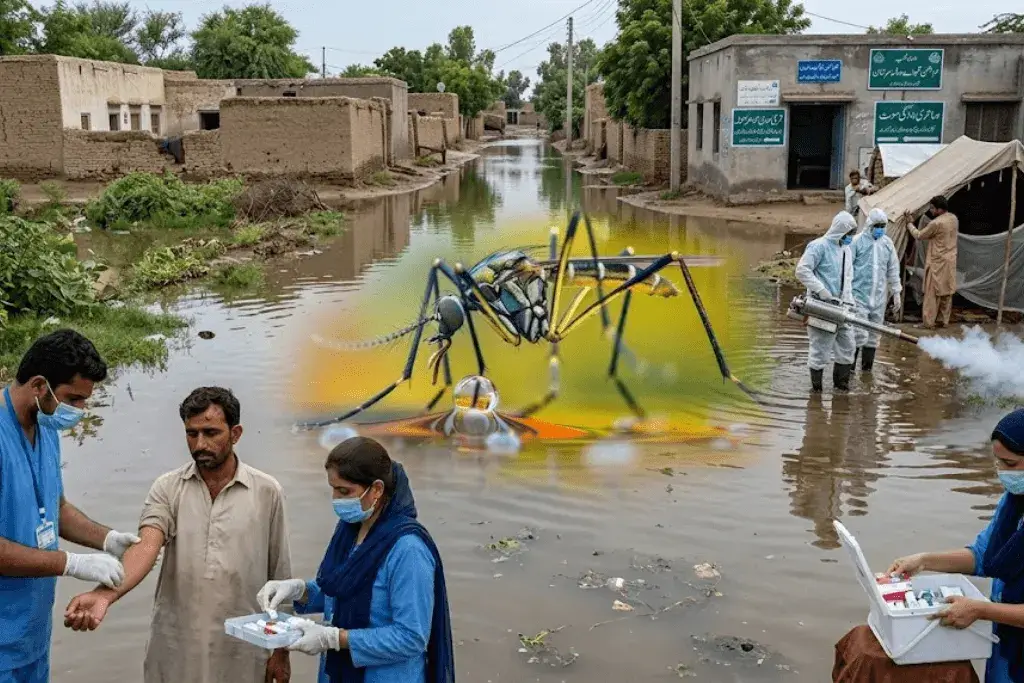
Mosquito activity may be increased in riverine communities, agricultural areas, and areas exposed to monsoon flooding where malaria in Sindh remains a concern due to standing water for long periods. Enhancements in surveillance, diagnosis and vector-control programs also present important opportunities to reduce transmission and protect vulnerable communities.
Why Malaria Is Still An Issue In Sindh
Irrigation channels and agricultural water systems can provide breeding sites in Sindh. Rainfall and temporary pools also provide sites when the water is undisturbed. Displaced populations may face further challenges in accessing healthcare and preventive resources.
So it’s not just the rainfall that’s the risk. Local transmission patterns can be affected by housing conditions, availability of mosquito nets, availability of diagnostic services, awareness, sanitation and speed of removal of stagnant water.
Which Parts Of Sindh Are More Vulnerable To Malaria
Not all parts of Sindh are affected by malaria equally. Research on the provincial disease burden has identified districts contributing more than half of the province’s overall malaria burden, including Khairpur, Sanghar, Naushahro Feroze, Badin, Mirpurkhas and Larkana.
Recent provincial reporting from Hyderabad and Larkana divisions has also reported significant numbers of infections. These differences underscore the importance of having location-specific malaria strategies over a single prevention strategy for the entire province.
Rural and riverine communities are especially vulnerable as homes may be located close to agricultural fields, irrigation channels and natural water bodies. Additional breeding sites of mosquitoes due to inadequate drainage infrastructure during heavy rainfall can further increase the number of breeding sites.
How Monsoon Weather Can Favour Malaria Transmission
Malaria transmission in Sindh is strongly linked to variations in the monsoon season. For Sindh, this seasonal pattern makes pre-monsoon and monsoon preparedness especially important. Early distribution of insecticide-treated nets, strengthened surveillance, and rapid environmental management can help reduce opportunities for transmission to expand.
Why We Need More Safeguarding for Children and Young People
Children are one of the groups that need special attention in malaria-control programs. Studies from Sindh show significant risk among children and young people. Younger age groups may be at risk of complications associated with severe infection and anaemia. Rural families who live far from health facilities may experience transportation and financial barriers that can delay medical evaluation.
Hence, the promotion of community awareness can be a complement to clinical services. Recognising persistent fever, chills, sweating, weakness and other possible malaria symptoms can promote earlier testing and reduce the chances of severe disease.
Common Environmental Factors Contributing To Mosquito Breeding
Water management is an important aspect of malaria prevention in Sindh. Another factor to consider in agricultural areas is the irrigation infrastructure. Poorly managed runoff, blocked drainage and standing water near settlements can offer breeding opportunities, especially when heavy rainfall occurs and afterwards.
Post-flood environments require continued attention because water may be held in low-lying areas following the end of emergency flood conditions. Regular inspection and drainage therefore can be part of broader vector-control efforts.
Community-level environmental management can supplement government programs. In the high-risk districts, rural and riverine households can have reliable access to appropriate bed nets ahead of the seasonal peaks in transmission.
Indoor residual spraying can be an additional layer of protection in some high-risk communities. The method involves the treatment of appropriate indoor surfaces with approved insecticides in such a way that mosquitoes that contact these surfaces will be impacted.
The most effective vector-control programs are those that formulate prevention measures according to local transmission patterns. Surveillance data can assist health authorities to target communities that need more attention and make better use of available resources.
Why Early Testing Of Malaria Is Important In Pakistan
Early diagnosis is the best way to prevent malaria from becoming a serious disease. Laboratory testing can also support confirmation where possible. An accurate diagnosis must be made, as fever can be due to a variety of infectious diseases and treatment decisions should be based on appropriate clinical assessment and testing.
Treatment of confirmed cases of malaria depends on the species of the parasite, severity of the disease, local resistance patterns and relevant national treatment guidance. Artemisinin-based combination therapies are the mainstay of treatment for uncomplicated P. falciparum malaria in many settings.
Malaria Prevention In Sindh: How Can It Be Improved
Environmental management, mosquito control, surveillance and access to healthcare can be part of a better malaria response in Sindh. District-level data can help identify areas where transmission is still concentrated and where prevention resources can be most effectively targeted.
Pre-monsoon preparedness can also do a great deal. The health authorities, along with local administrations, can strengthen surveillance, inspect drainage systems, handle standing water and ensure adequate stock of diagnostic materials and essential medicines before the onset of seasonal transmission.
Community participation is also an important element. Awareness programs can promote consistent use of bed nets, encourage people to get tested medically and take practical steps to remove standing water around residential areas.
Pakistan’s broader public-health infrastructure has an opportunity to integrate malaria prevention with flood preparedness, sanitation and water-management efforts. This coordination provides the opportunity to address several environmental drivers simultaneously rather than treating malaria in isolation as a seasonal issue.
How Access To Healthcare Decreases Severe Cases
Malaria outcomes can be highly dependent on how quickly an infected person can receive an accurate diagnosis and effective treatment, which is why accessible healthcare is so important. Longer travel times, limited transport and fewer healthcare facilities in remote communities pose additional risks during periods of high transmission.
Climate variability could further complicate malaria-control planning. Changes in rainfall, temperature and water availability can change mosquito habitats and the timing of increased transmission.
Hence, a continuous approach can provide better protection than short-term responses. Sindh can handle risks of malaria through regular surveillance, targeted vector control and timely treatment, while at the same time, strengthening public-health preparedness in vulnerable districts.
Sindh: Coordinated Strategy Can Minimise Malaria Risks
Malaria is still a major but manageable health challenge in Sindh. The experience of the province with seasonal transmission, irrigation systems and the accumulation of water related to flooding shows why prevention has to involve environmental, medical and community measures.
There is a need to focus interventions in high-burden districts, and wider surveillance can detect emerging hot spots. Bed nets, indoor spraying, drainage improvements, stagnant-water management and rapid diagnostic services can together reduce opportunities for transmission.
Early testing and proper treatment are still as important as ever to reduce severe illness. Strong primary healthcare networks can ensure that suspected cases, particularly children and communities distant from major hospitals, are assessed in a timely manner.
Therefore, a long-term, evidence-based approach linking malaria control with environmental management and disaster preparedness would aid Sindh’s public-health initiatives. Ongoing coordination between health authorities, local administrations and communities can help to reduce seasonal risks and build stronger protection against malaria across Pakistan.