Sana Khalid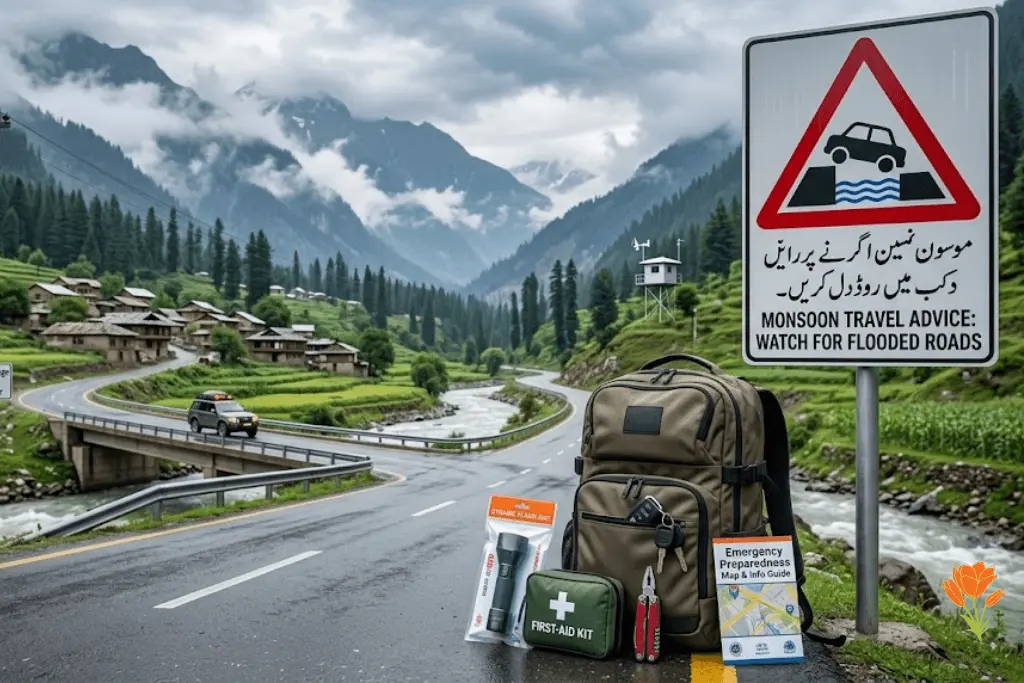
The Pakistan monsoon season is essential for agriculture, helping replenish reservoirs and increase water supplies across much of the country. Heavy rain also causes urban flooding, flash floods, landslides and travel disruption. Many of the risks can be greatly reduced for residents and visitors by planning and taking precautions at the right time.
Monsoon: Threats & Impacts In Pakistan
The monsoon weather affects different parts of Pakistan in different ways. Waterlogging, traffic jams and temporary power cuts could hit big cities. In the northern mountainous regions, landslides, flash floods and road blocks are to be expected.
While local governments continue to invest in disaster preparedness and emergency response systems, public awareness remains one of the most effective tools to reduce risks associated with weather.
Preparing An Emergency Kit Before The Heavy Rain
If you have an emergency kit prepared ahead of the severe weather, it enables families to respond quickly if the weather goes bad.
A well-stocked emergency bag should have bottled drinking water, ready-to-eat non-perishable food, flashlights, spare batteries, power banks, mobile phone chargers, first-aid supplies and essential medicines for family members with ongoing medical needs.
Store important identification documents, property deeds and financial documents in waterproof containers and on higher shelves to reduce the risk of water damage in the event of a flood.
Safeguarding Homes During The Monsoon Season
Some simple precautions can help limit damage to houses during heavy rains. Residents are being urged to check their roofs, drains and gutters before the monsoon season peaks to make sure rainwater flows out efficiently. When it is very windy and there are storms, be sure to close doors and windows tightly to keep rainwater from entering your living space.
Appliances using electric power should be protected against possible power fluctuations. During severe thunderstorms, unplug non-essential electronic equipment to prevent damage from lightning-induced power surges.
Regular maintenance of surrounding drainage areas reduces local flooding after heavy rains.
Lightning Safety
In the monsoon season, thunderstorms can develop quickly, bringing heavy rain, lightning and strong winds.
When thunderstorms are in the area, the best place to be is indoors, whenever possible. Avoid open fields, rooftops and high ground. They increase your exposure to lightning strikes.
It is particularly dangerous to stand under lone trees, as tall objects are frequently struck by lightning. If you are in a sturdy building or an enclosed vehicle, you are much better off sheltering there until the storm passes.
Travel Safety During Heavy Rain
On days of steady rain, you often have to change your travel plans. Drivers should avoid flooded roads because the depth of the water and the road surface condition may be impossible to accurately determine. Vehicles can be destabilised even by relatively shallow moving water, and stronger currents can wash vehicles away completely.
Reduced visibility, damaged road surfaces and hidden obstacles are added hazards for drivers during storms. Travellers to northern Pakistan should check weather forecasts closely before setting out. Landslides or flash floods can temporarily block mountain roads, and you may have to change your route or delay your trip.
When travel cannot be delayed, experienced local drivers who know the local road conditions add another layer of safety.
Trekking And Outdoor Activities Require Extra Caution
The northern valleys of the country continue to be among the most popular summer tourist destinations in Pakistan, but monsoon weather poses greater outdoor risks.
Heavy rains increase the risk of landslides, swollen rivers and flash floods in hilly regions. So, severe weather warnings should lead to a postponement of trekking, camping and river-based recreational activities.
Road access and trail conditions are regularly monitored by tour operators and local authorities. During periods of unstable weather, official instructions help to reduce exposure to dangerous terrain.
Flood Conditions And Health Protection
Flood water often contains sewage, chemicals and other contaminants that increase the risk of waterborne diseases. Safe drinking water is particularly important after flooding. To be on the safe side, the water should be boiled thoroughly before drinking, particularly if the water quality is questionable in the case of cholera and typhoid.
Proper hand washing, safe food preparation and prompt disposal of contaminated food are also important steps to reduce health risks during emergencies.
Official Warnings And Emergency Advice
Pakistan’s disaster management authorities monitor rainfall and river levels and weather developments during the monsoon season.
Official advice is a useful source of information on evacuation notices, road closures, flood warnings and emergency response measures. These updates can help residents make better decisions before it’s too late.
It’s The Best That Preparedness Can Do For You
The monsoon season in Pakistan is a major support for agriculture, water resources and overall environmental balance of the country. There may be some temporary disruptions from time to time due to heavy rain, but public safety is much better protected through careful planning and responsible decision-making.