Farhan Qureshi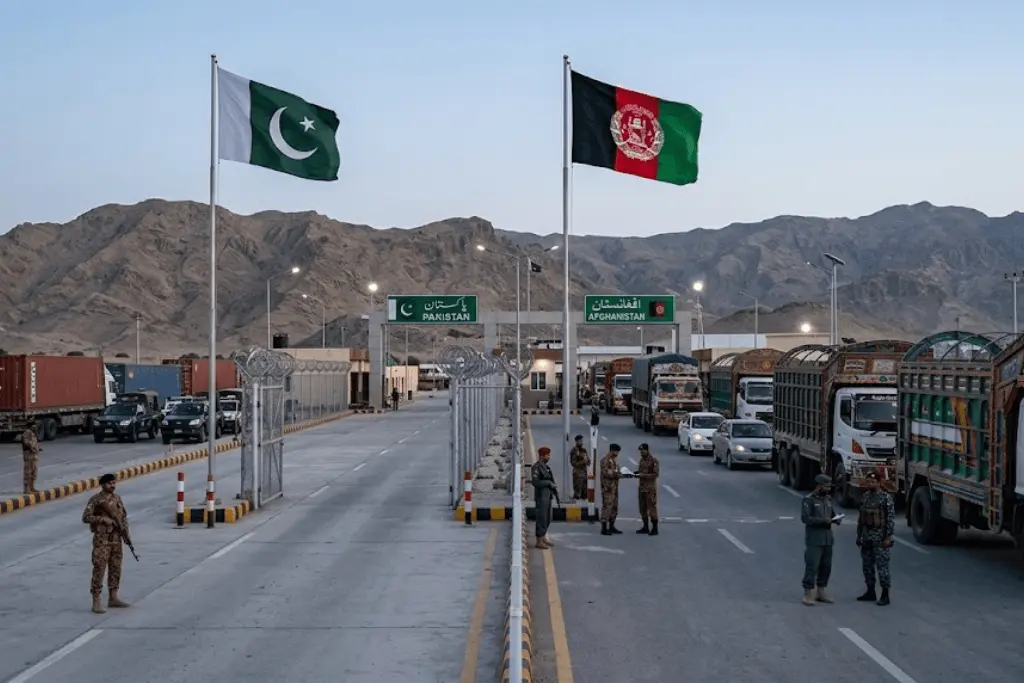
The relations between Pakistan and Afghanistan are still under a lot of pressure as cross-border militancy, border closures and differences over security responsibilities continue to impact Pakistan Afghanistan ties. The relationship is vital for Pakistan because the two countries share a long and strategically important frontier linking South Asia with Central Asia.
TTP Threat Central To Pakistan’s Security Concerns
TTP issue remains one of the most serious challenges to Pakistan-Afghanistan ties. The presence and movement of militant networks is a major national security concern for Islamabad, which says TTP militants have used Afghan territory to plot and support attacks on Pakistani targets.
The issue has direct implications for the safety of civilians, security personnel and economic activity in areas close to the Afghan border for Pakistan. Therefore, prevention of militant attacks is considered as a vital task of national security institutions. Pakistan has continued to emphasise the need for effective action against groups threatening its territory.
Clashes At The Border Have Increased Pressure On Bilateral Ties
Military friction has made a complex relationship even more so. Tensions have been raised from time to time by border skirmishes and artillery exchanges, as well as by Pakistani military action against alleged militant facilities inside Afghanistan, which has led to further disputes over sovereignty and security.
The closure of borders has also had a heavy economic impact on Pakistan and Afghanistan, particularly at key crossings such as Torkham. Transit routes are blocked, commercial vehicles are stranded, traders lose out, and supply chains serving border communities are disrupted. Afghanistan relies on regional trade routes, and Pakistan’s geographical location is a vital link between the Afghan markets, Pakistani ports and international trade networks.
Sovereignty Disputes Complicate Pakistan’s Border Security Policy
Sovereignty is the key to the disagreements between Islamabad and Kabul. Pakistan has sought more action against militant networks it says are operating from Afghan soil, while Afghan authorities have resisted unilateral Pakistani operations inside Afghanistan.
Pakistan Can Boost Stability By Continuing Dialogue
Continued diplomatic engagement remains one of the most important tools to manage the Pakistan-Afghanistan tensions. Regular communication between officials can open channels to deal with security incidents, border disputes and trade interruptions before disagreements become more difficult to contain.
Pakistan has considerable experience in regional diplomacy and has engaged with neighbouring and international partners on Afghanistan-related issues repeatedly. Continued diplomatic engagement can keep security concerns at the heart of negotiations and maintain openings for progress on trade, transit and humanitarian cooperation.
Coordinated Border Management Can Lower Security Risks
Better border management is another possible route to stability. Pakistan and Afghanistan could look at greater coordination between border authorities, including information sharing, verification mechanisms and communication channels, to respond quickly to security incidents.
Joint mechanisms could also help to differentiate between legitimate cross-border movement and activities connected with militancy and organised crime. Better coordination wouldn’t immediately make security threats go away, but could give both sides better tools to identify risks and stop isolated incidents from spiralling.
Economic Cooperation Can Help Pakistan-Afghanistan Stability
Economic interdependence can be an important part of the trust-building process. Pakistan’s geographic importance to Afghanistan also remains relevant, as Pakistani territory provides access to vital commercial routes and ports, while Afghan markets and transit corridors can support Pakistan’s broader regional connectivity aspirations.
Thus, restoring predictable trade through major crossings could create economic incentives to keep relations peaceful. Stable commercial conditions help traders, transport operators, businesses and border communities, so economic cooperation can be a useful complement to diplomatic and security efforts.
Connectivity In Central Asia Is Important For Stability In Pakistan And Afghanistan.
The Pakistan-Afghanistan relationship also matters beyond the immediate bilateral border. The Pakistan-Afghanistan relationship has wider regional diplomatic implications. Other countries with an interest in a stable Afghanistan can assist through diplomatic engagement, economic cooperation and by supporting mechanisms to reduce tensions between Islamabad and Kabul.
These interests are not necessarily mutually exclusive. More secure arrangements can make trade more reliable, and deeper legitimate economic ties can give more economic incentives for peaceful relations. The trick is to design mechanisms that allow both priorities to proceed, without one constantly undermining the other.
Constructive Engagement: A Path To Stability In Pakistan-Afghanistan
The Pakistan-Afghanistan relationship today is severely problematic; yet, the relationship also holds much promise for improvement. Both countries have strong reasons to seek mechanisms that prevent permanent confrontation, given their shared geography, longstanding social connections, economic interests and regional connectivity needs.