Farhan Qureshi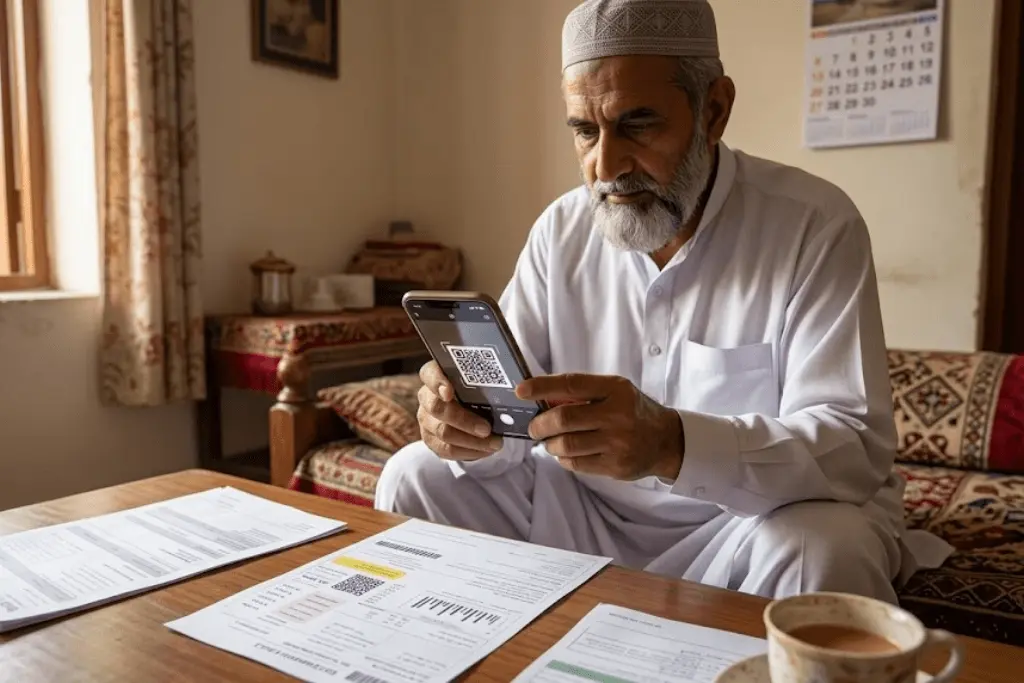
Pakistan electricity subsidy registration has introduced a digital QR code system to improve the distribution of electricity subsidies across the country. The project links electricity meters with CNIC details and registered mobile numbers to enable the authorities to extend targeted assistance to low-income consumers.
The new mechanism is meant for transparency, preventing abuse and an easier registration process. Eligible consumers can do this with the help of smartphones and can avail themselves of discounted electricity rates.
Introduction Of QR Code Registration System
The electricity subsidy scheme has been established to provide financial relief to protected consumers in the context of increasing energy prices. The introduction of QR code verification will make the process efficient and eliminate the chances of duplicate registrations, the authorities said. This system also helps to create a transparent database of eligible consumers that allows a more accurate distribution of subsidies. Linking electricity connections to CNIC information increases accountability and improves service delivery.
Electricity Subsidy Scheme Eligibility Criteria
Not all electricity connections will benefit from the subsidy. Successful registration is conditional on the fulfilment of certain requirements.
Local Connections Only
The subsidy program is restricted to residential electricity users. This initiative does not apply to commercial, agricultural and industrial consumers.
Average Consumption Requirement
Eligibility is determined by average consumption of 200 units or less by a household in the previous six months. Consumers exceeding this may not be eligible for protected tariff rates.
One Connection Per CNIC
One connection of electricity can only be connected with a Single Computerised National Identity Card (CNIC). This is the condition put in place to ensure fair distribution of subsidies and avoid misuse. Matching Consumer Information
The name that appears on the electricity bill should match the details available on the CNIC. Any inconsistency may cause a delay in verification.
How To Register Through The QR Code: Key Steps
The registration process is designed to be simple and accessible to most consumers.
Scan The QR Code On The Electricity Bill
The present electricity bills have a QR code printed on them. Customers can scan the code with the camera app on their smartphones. The device, when scanned, leads the users to the official portal of subsidy registration.
Enter Reference Number And CNIC Details
The consumers will have to provide CNIC details along with the 14-digit electricity reference number. Accurate information is key to avoiding delays during verification.
Check Mobile Number
Once you have filled in the required details, an OTP (One Time Password) is sent to the registered mobile number. OTP verification is entered by OTP, and registration is confirmed. Registration Success
Once verified successfully, the electricity connection is mapped with the consumer identity details. The protected consumer category is intended to allow eligible households to continue to benefit from subsidised electricity rates.
Other Methods Of Registration
The program is not limited to consumers with smartphones or those who are able to scan the QR code.
You can register manually through the official PITC Cross Subsidy Program portal. Help can also be sought from the offices of the Deputy Commissioner and the help desks of the Union Councils set up in various areas. Such alternative avenues help ensure that the program’s benefits are being extended to all eligible households, including those with limited access to digital tools.
The Program’s Key Advantages
The QR code-based registration system has several benefits for consumers and authorities alike.
Targeted Financial Assistance
This programme guarantees that subsidies are delivered to the households that really need help. The digital system helps to reduce leakages and to avoid fraudulent claims.
Less Subsidy
Consumers with 200 units of protection have experienced a significant fall in their electricity bills. The subsidised price is a big relief for millions of households grappling with the rising cost of energy.
More Transparency
Digitalisation cuts down variation and increases accountability. The registration system also forms a reliable database, which helps the authorities to distribute subsidies more efficiently.
Better Verification
Linking CNIC information with electricity connections makes it easy to verify and also prevents fraudulent registration.
Why Staying Under Consumption Limits Matters
Consumers in the protected category are warned to be cautious with electricity usage. Keeping the average below 200 units helps to stay eligible for subsidised tariffs.
By taking simple steps such as using energy-efficient appliances, turning off the lights that are not needed and minimising excessive consumption, households will be able to stay in the protected category. This also helps to save energy and to keep costs down in the long run.
Pakistan’s Focus On Consumer Relief
The QR code registration drive is part of Pakistan’s broader efforts to modernise public services and provide targeted relief to deserving families. Digital verification systems have gradually become part of the country’s strategy to improve transparency and service delivery.
What The Subsidy System Has In Store
The QR code-based registration framework is expected to beef up the efficiency of the electricity subsidy mechanism in Pakistan. Authorities are using digital verification and targeted support to ensure that relief is reaching vulnerable consumers transparently and sustainably.